 LoadingLoadingLoading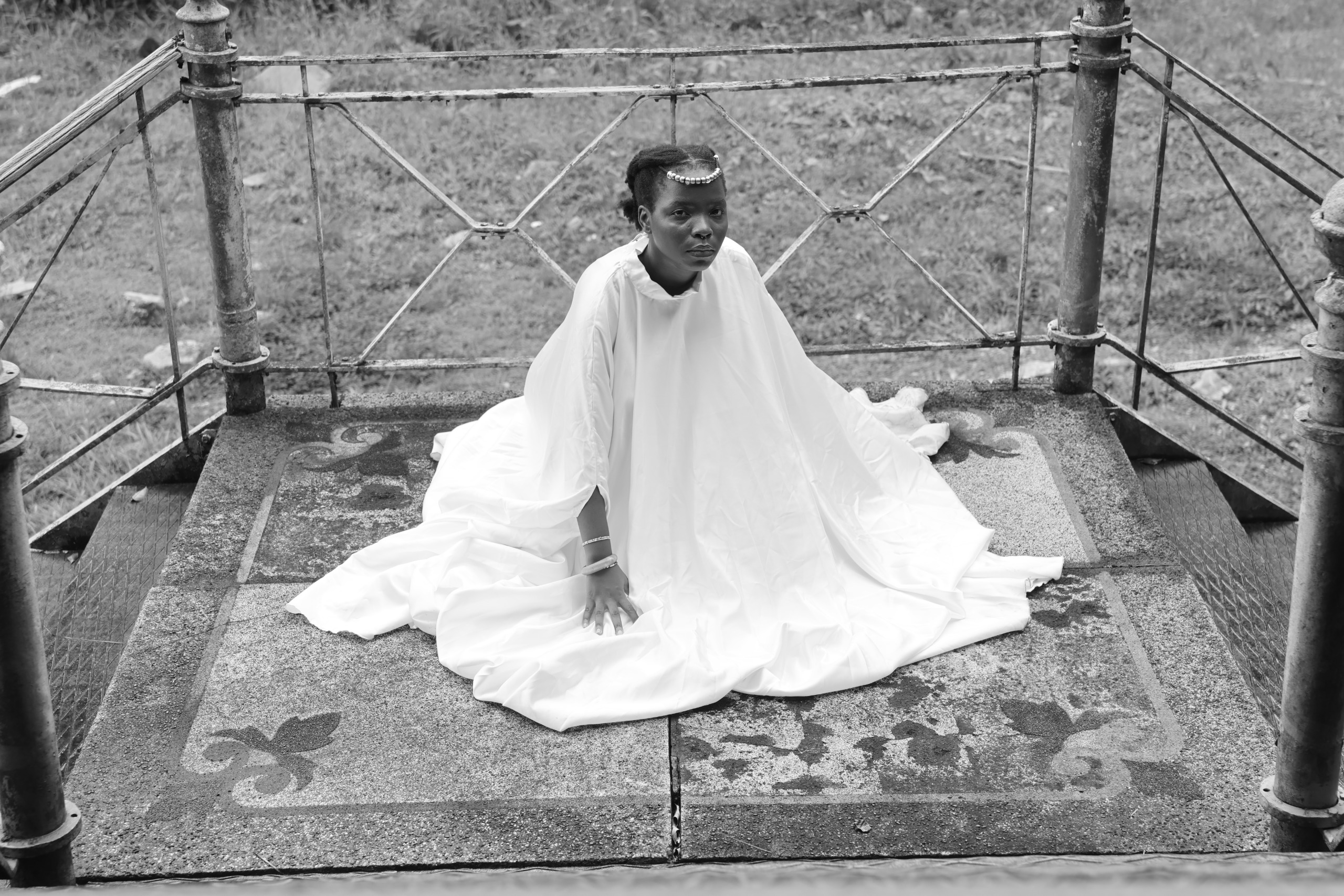
The history of Vodun in Benin and Candomblé in Brazil is not frozen in time. Discover how artist Azeemã documents these shared memories through her project Xwétanu.
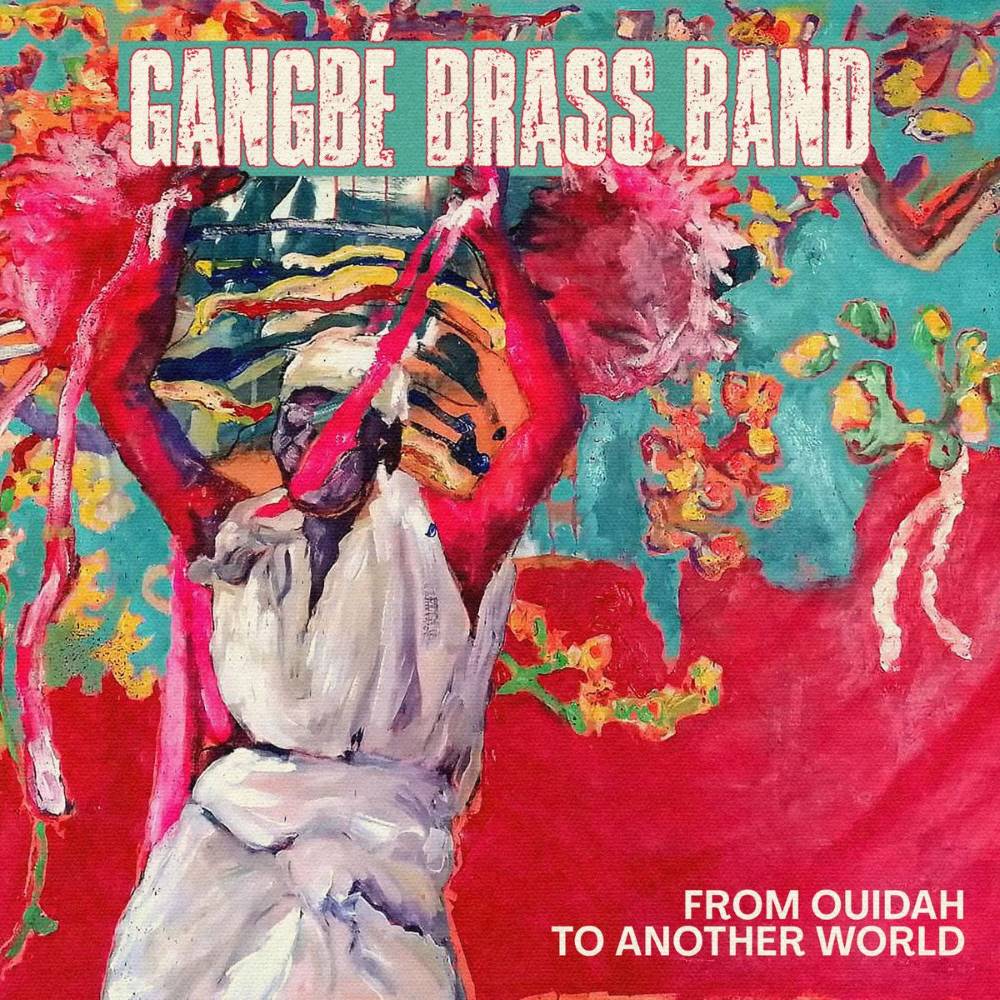
In Ouidah, where the Atlantic meets history, the Gangbé Brass Band's sixth album becomes an exploration of identity and legacy through music.
Fa is Benin's great divination system: 256 signs, thousands of stories learned by heart, and a diviner, the bokonon, who connects them to your question. Here is how it works, where it comes from and how to consult it.
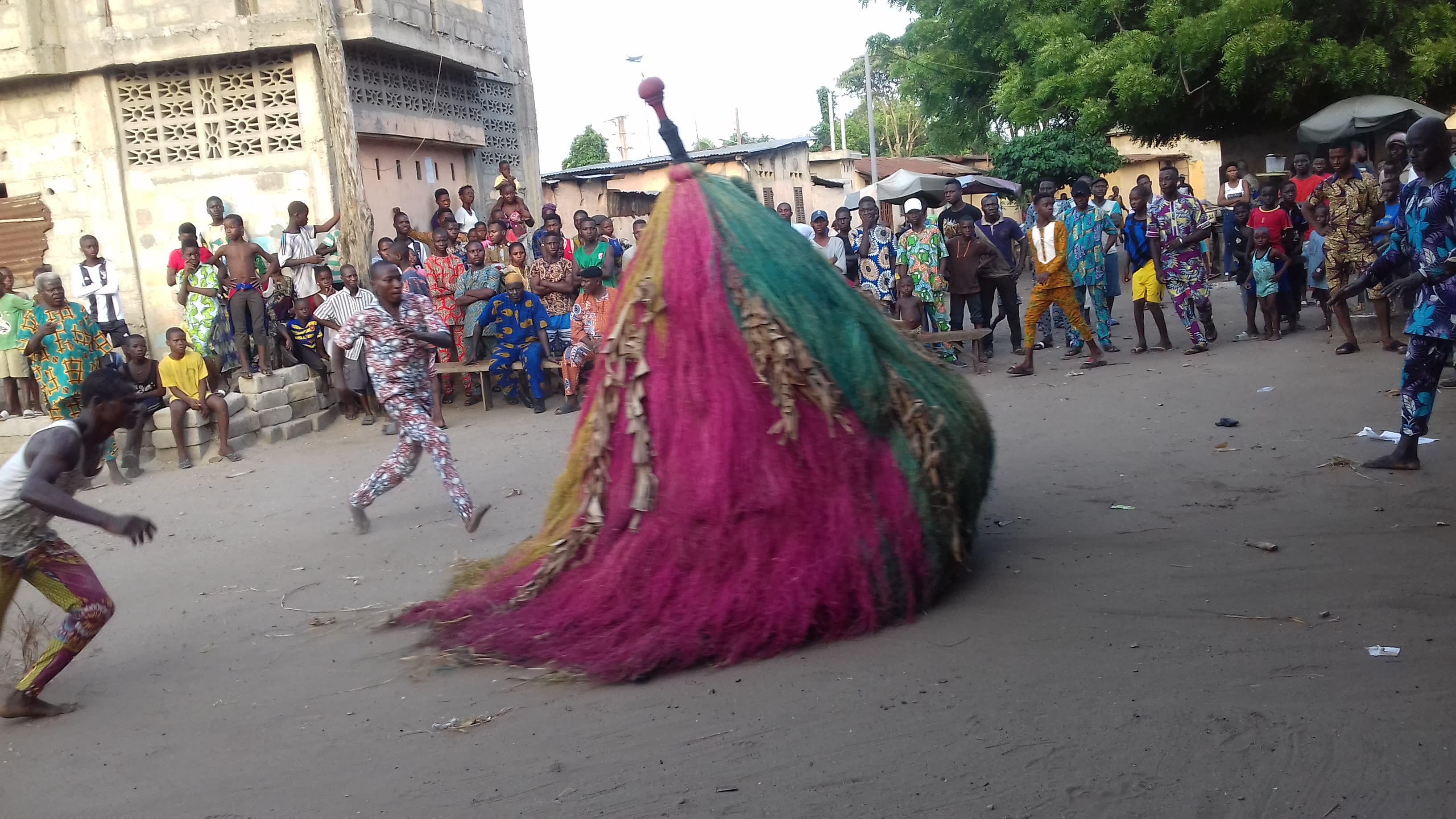
Tall stacks of raffia that spin on the spot, the Zangbeto are the night guardians of the Gun people. Their history, their role, their secrets, and the best times to see them in Ouidah.
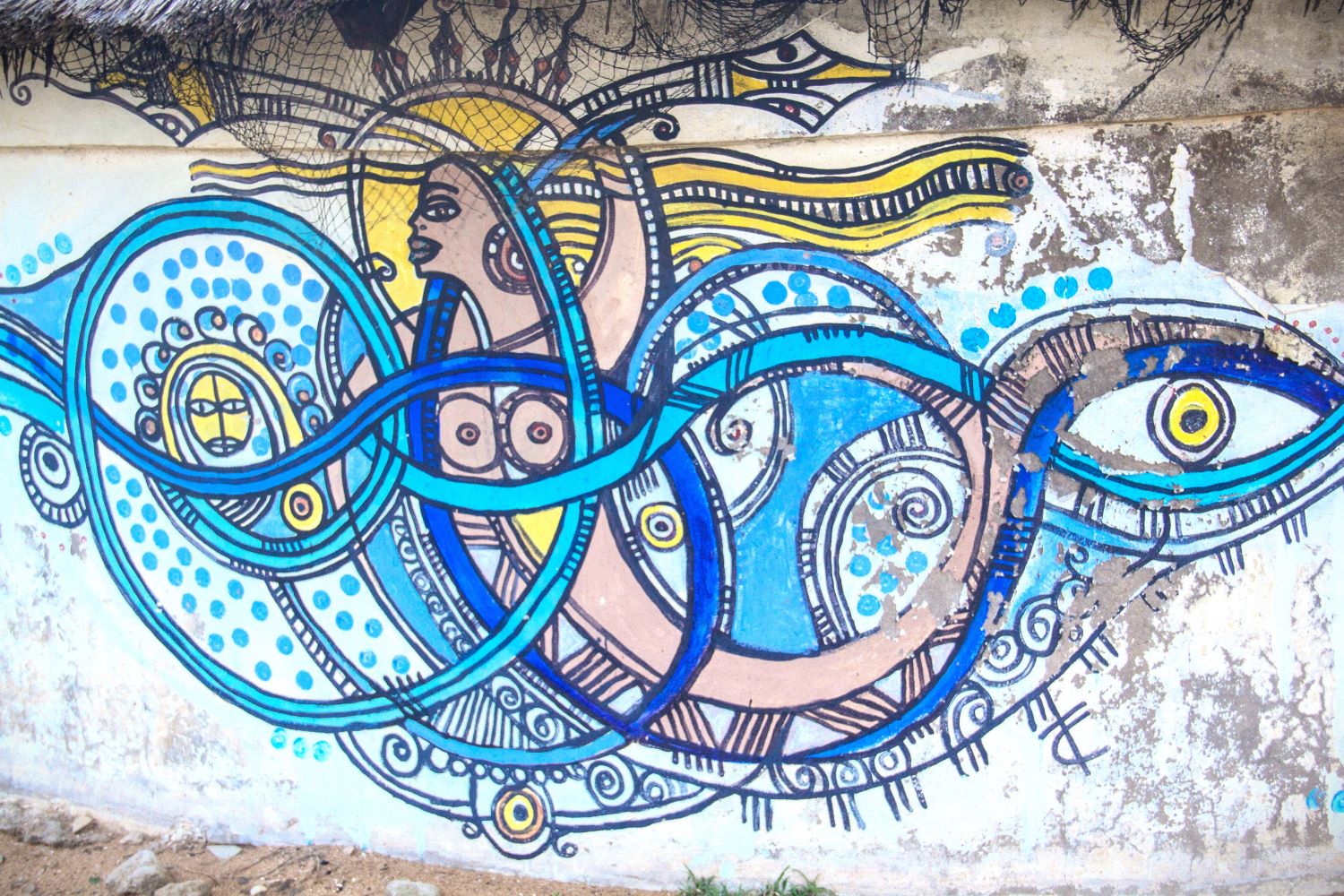
Mami Wata, "Mother Water," is honored along the West African coast for wealth, beauty and healing. In Ouidah she has a temple on the beach and a convent in town. Her best-known image, though, has a very unexpected past.
Candomblé and Vodun share a common root — but three centuries of separate evolution have made them distinct. Neither is a copy of the other. This guide explores the connections, the divergences, and what it means for a candomblé practitioner to visit Ouidah.
Far from being mere attractions, the memory sites in Ouidah are witnesses to a poignant history, where vodun and memory intertwine.
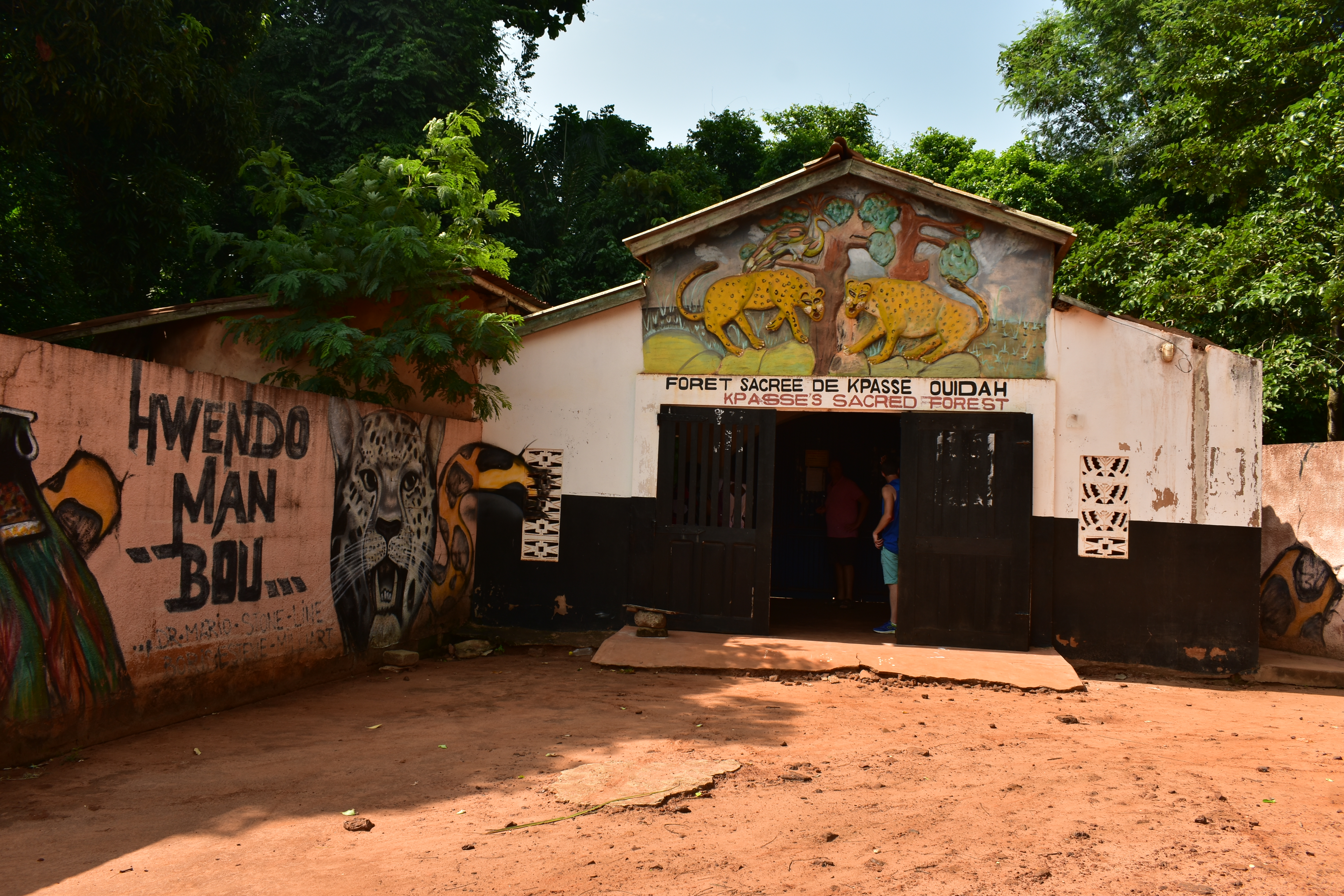
At the heart of Ouidah, the Sacred Forest of Kpassè holds a centuries-old iroko tree, statues of Vodun deities, and a royal legend. What the history actually says, and how to visit.