History
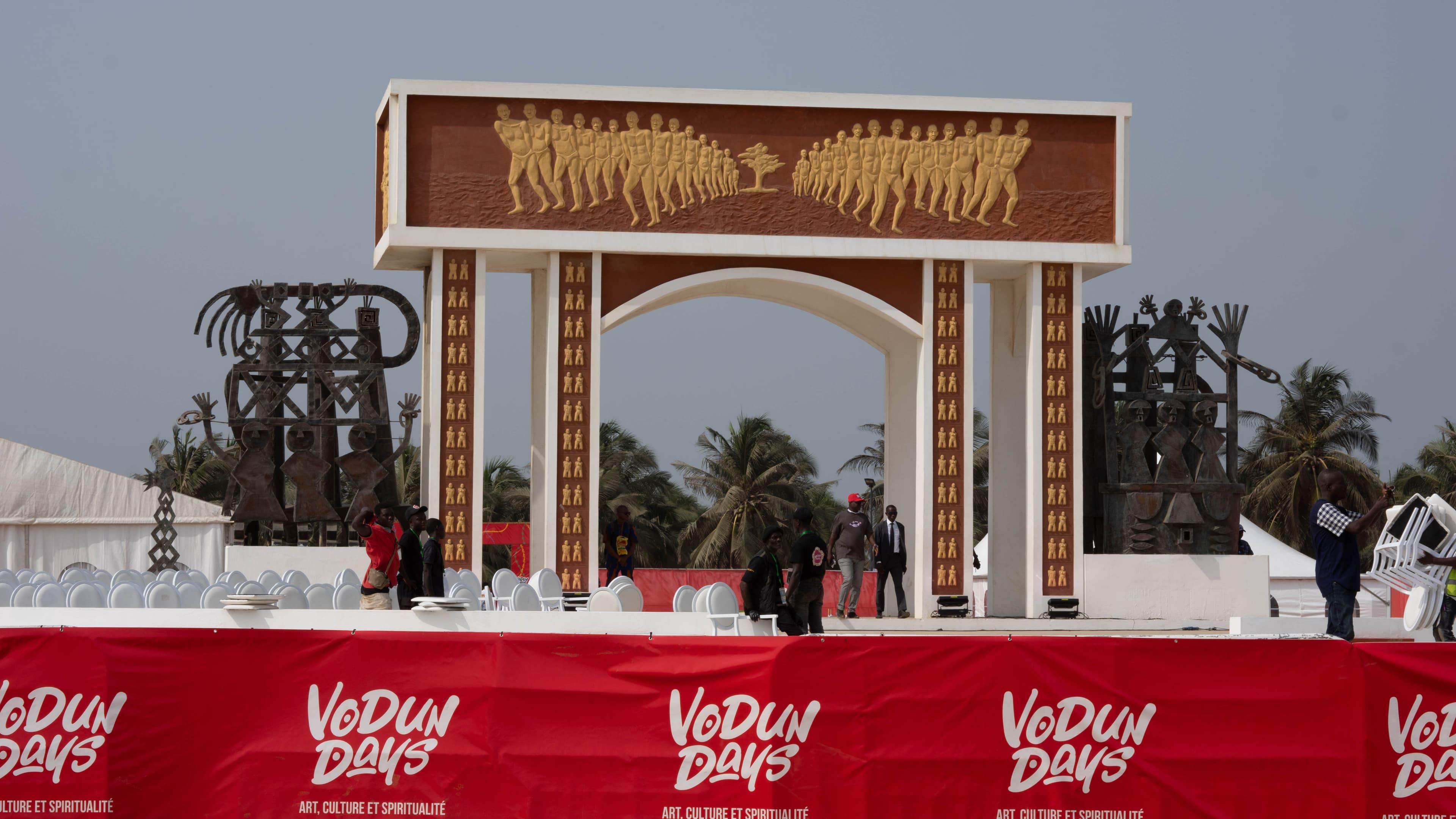
The Door of No Return
At the end of the Slave Route, the Door of No Return marks the beach where more than a million captives were shipped out of Ouidah. First unveiled in 1995, the memorial was completely rebuilt in late 2025.
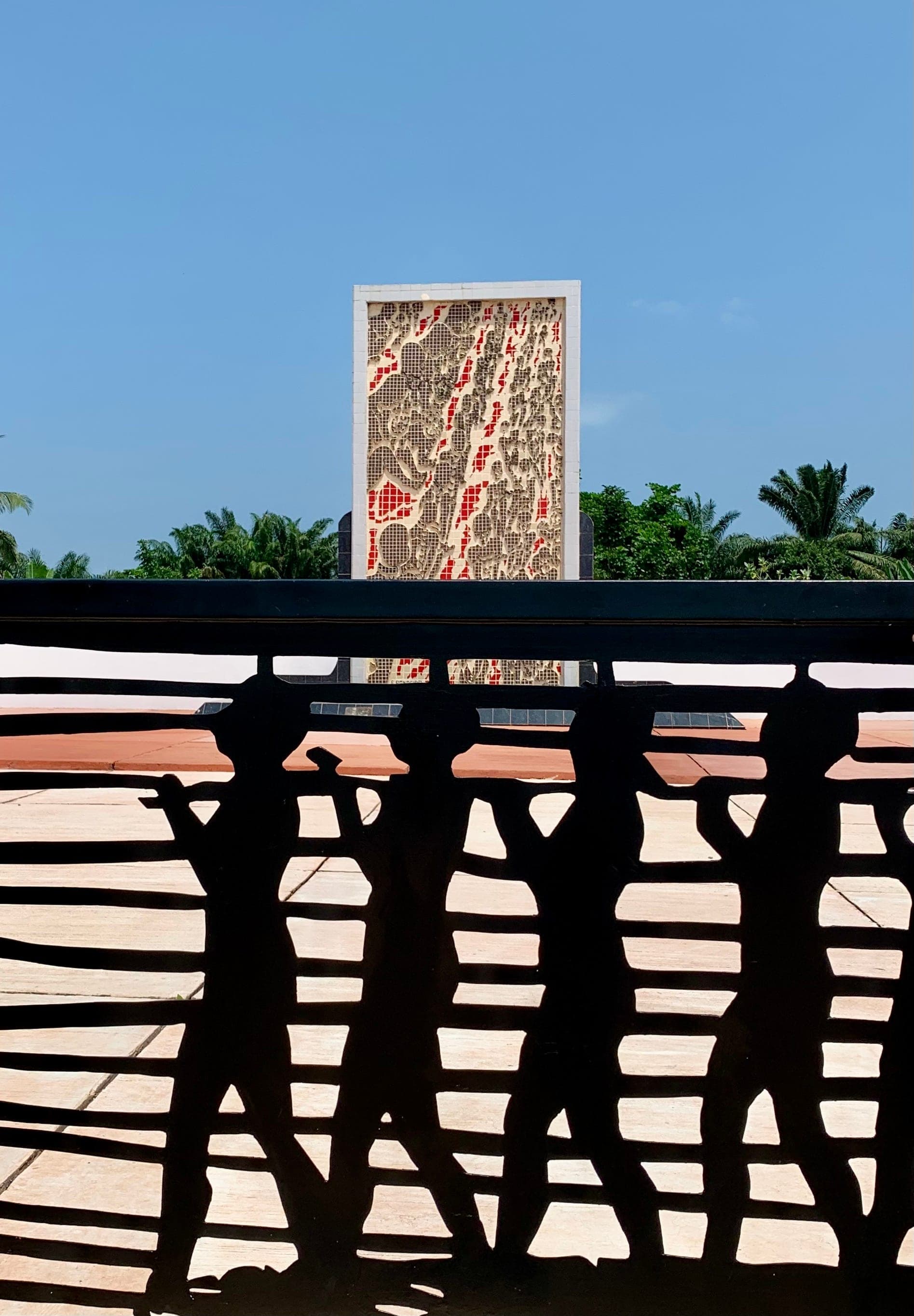
The Slave Route
Ouidah's Slave Route links the old auction square to the beach where captives were shipped out. Created between 1992 and 1995, the six-station route blends documented history, oral tradition and some thirty artworks.
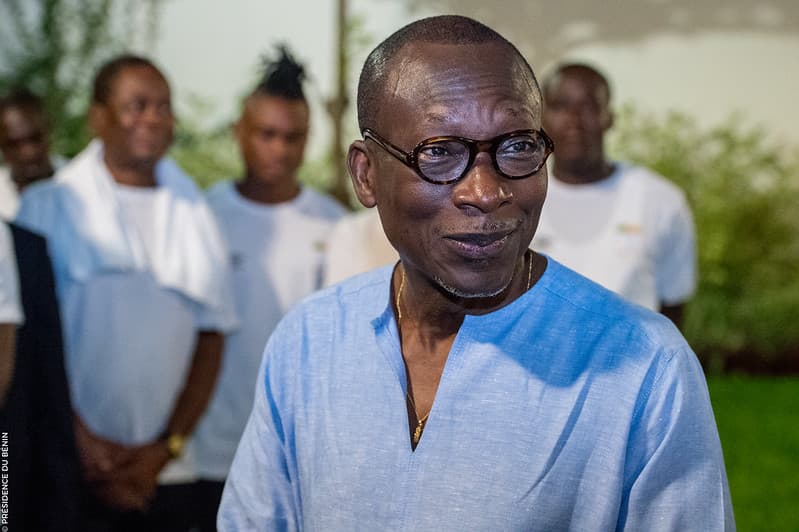
Patrice Talon's legacy in Ouidah: a son of the city returns to build
From the 26 royal treasures to the MIME, Patrice Talon transformed Ouidah. A deep, personal witness account from inside the Effet Graff dinner to the beaches of Djègbadji.
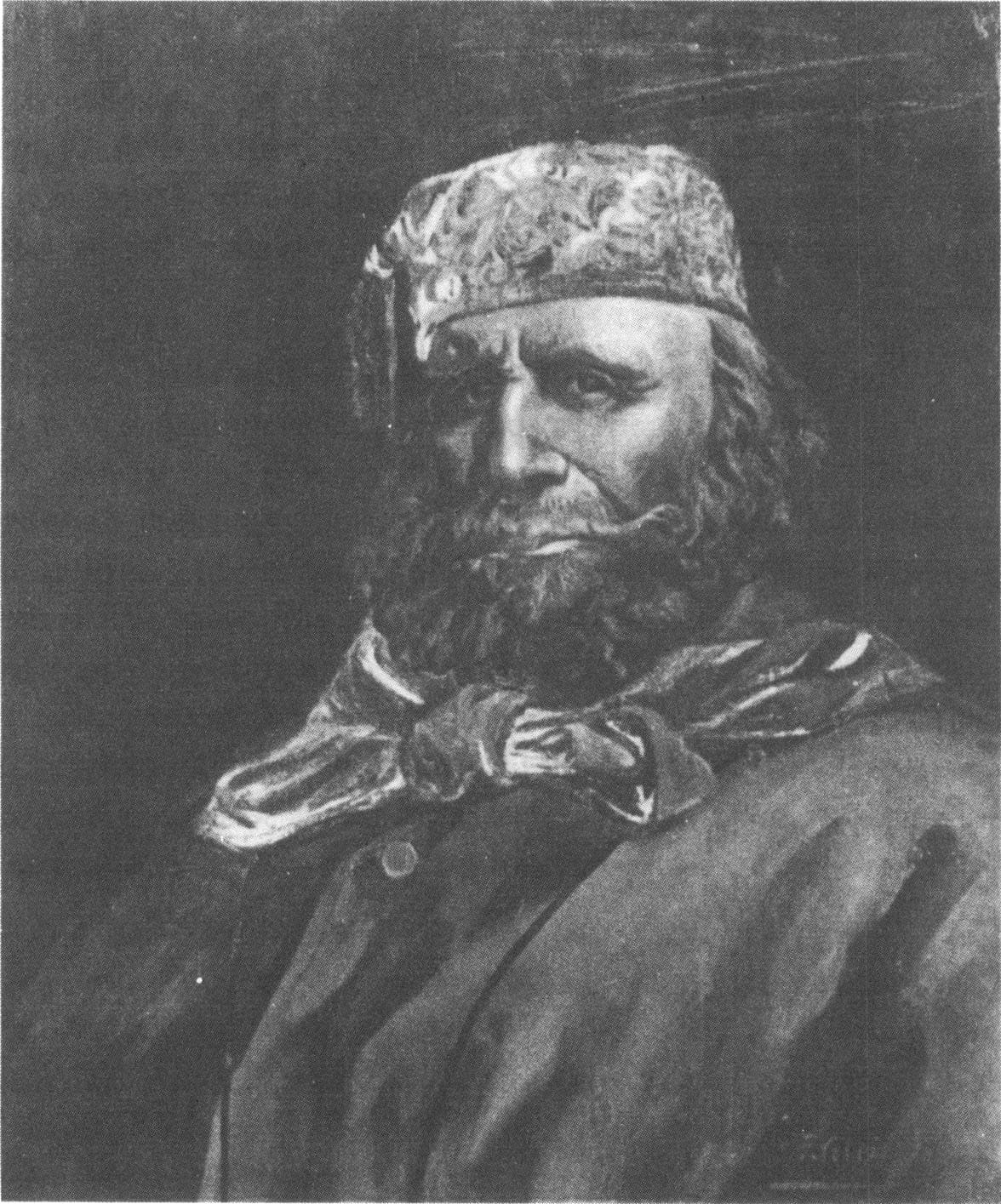
Francisco Félix de Souza
In Ouidah's heart lies Place Chacha, named after Francisco Félix de Souza, a slave trader whose legacy challenges simple narratives of history. His descendants remain, and his impact is palpable.
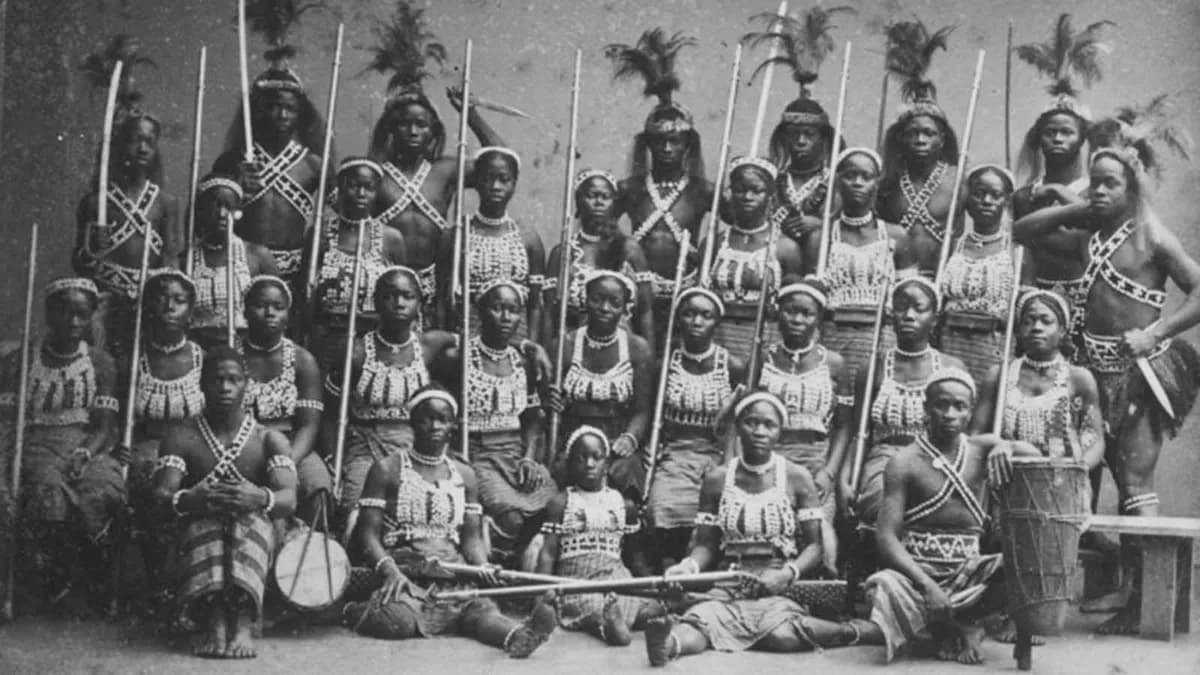
The Agojie
Encountering the Agojie in 1892, the French Foreign Legion met a formidable force. These women were not just warriors; they were a documented army that defied norms and shaped history.
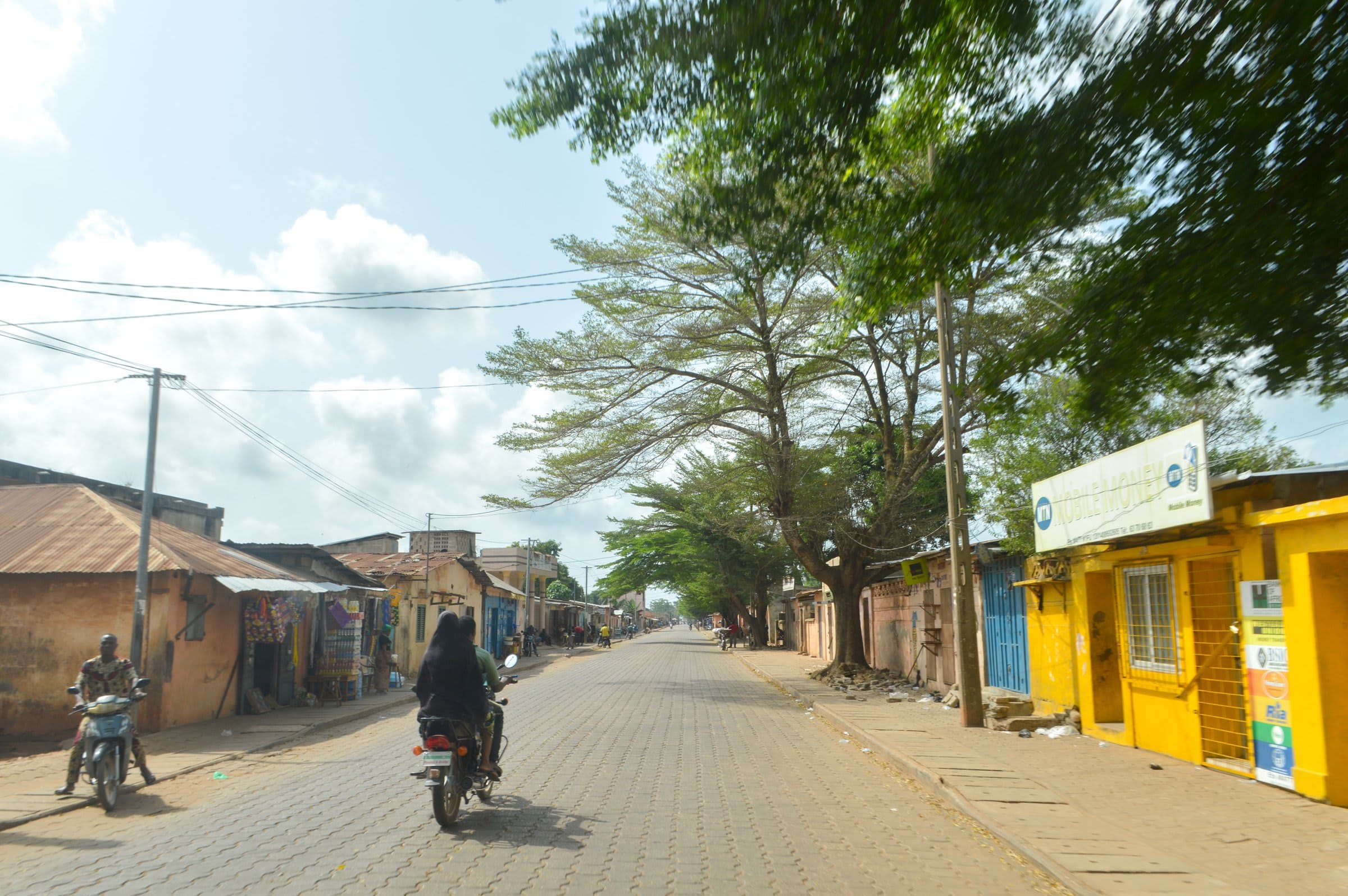
The Aguda Community
The Aguda are descendants of freed slaves who returned from Brazil to the coast their ancestors had been shipped from. Their history, their neighborhoods, and the architecture they left behind in Ouidah.
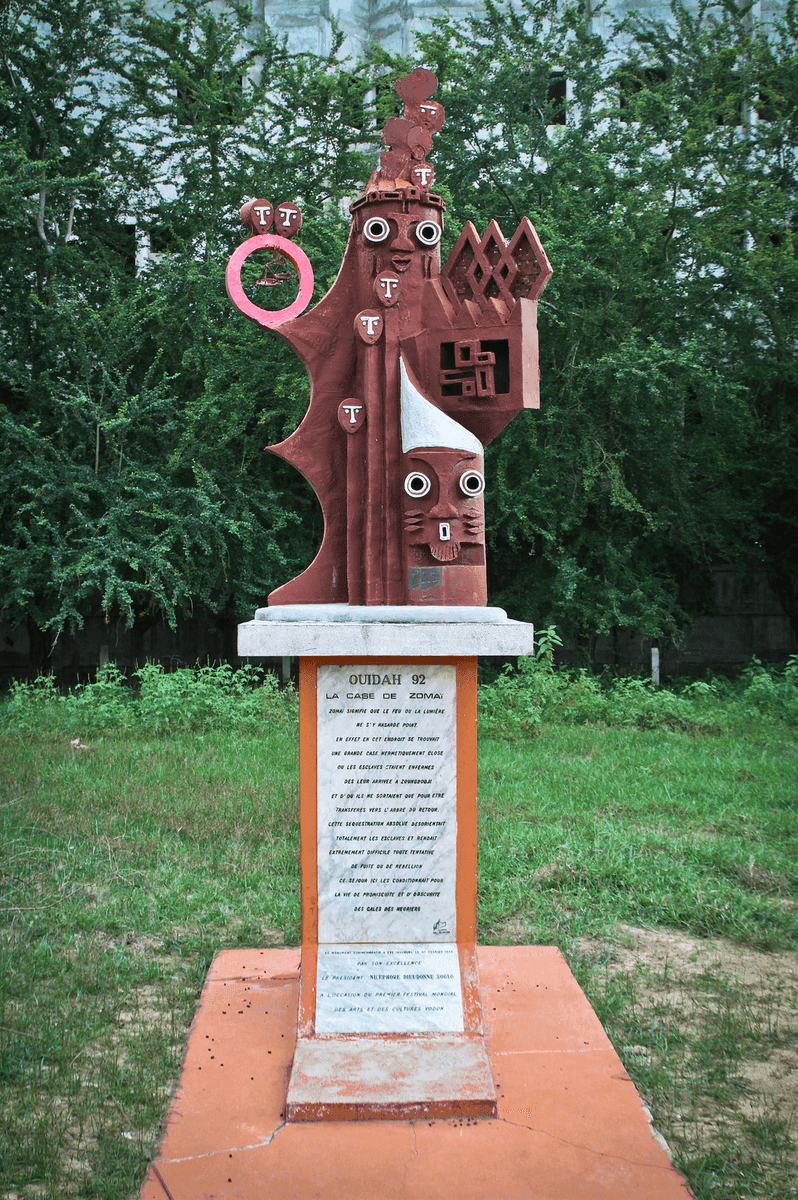
The Zomaï Enclosure
At the heart of the slave route, the Zomai Enclosure stands out for its lack of narrative. This place, in silence, evokes an unrelenting erasure technology, revealing the depths of oblivion.
The Agudás: the Brazilians who came back to Africa
In the nineteenth century, thousands of Afro-Brazilians crossed the Atlantic in reverse — back to the West African coast. They brought Portuguese, Catholicism, Brazilian architecture and surnames that still mark Ouidah today. The Agudás are one of the Atlantic's most forgotten stories.
The Memory of Slavery
Ouidah's Slave Route memorial represents a convergence of memories, revealing the complexities of slavery's legacy. This exploration unveils its multifaceted significance.
The Return of Cultural Treasures
The fight for the return of cultural objects from Africa raises essential questions about identity and collective memory. Ouidah, a symbol of this resilience, is at the center of this debate.
The Return of Kings
Far from being a mere return, the influence of precolonial kings in Ouidah questions modern power structures. How does this dynamic redefine democracy in Benin?
Photography and Memories of Slavery
In Ouidah, photography transcends mere documentation, serving as a vital witness to the memories of the Atlantic slave trade, illuminating hidden narratives.
Memories of Slavery with Fabienne Kanor
In the heart of Ouidah, Fabienne Kanor's performance challenges our understanding of slavery's legacy, inviting reflection on the past and its echoes in the present.
Places of Memory and Vodun
Far from being mere attractions, the memory sites in Ouidah are witnesses to a poignant history, where vodun and memory intertwine.
Beliefs and Possession Cults
Ouidah, a spiritual crossroads, reveals how possession cults redefine African imagination, challenging traditional religious oppositions.
Sacred Archaeology
Scanning technology is revolutionizing sacred archaeology in Ouidah, uncovering hidden truths about iconic ceramics. A crucial advancement for research.
Henri Chomette's Architecture
Modern African architecture owes much to Henri Chomette, whose iconic works redefined the continent's architectural landscape. His legacy endures.
The Evolution of Vodou
In Ouidah, the transformation of vodou from nature to monumental heritage raises crucial questions about cultural identity and economic development.
Discovering Ouidah
Ouidah, an iconic city in Benin, reveals a complex cultural and spiritual heritage shaped by centuries of exchanges between civilizations.

Amulets of the Amazons
The amulets of the Amazons of Ouidah transcend their status as museum artifacts. They testify to a struggle for restitution and an identity renaissance.
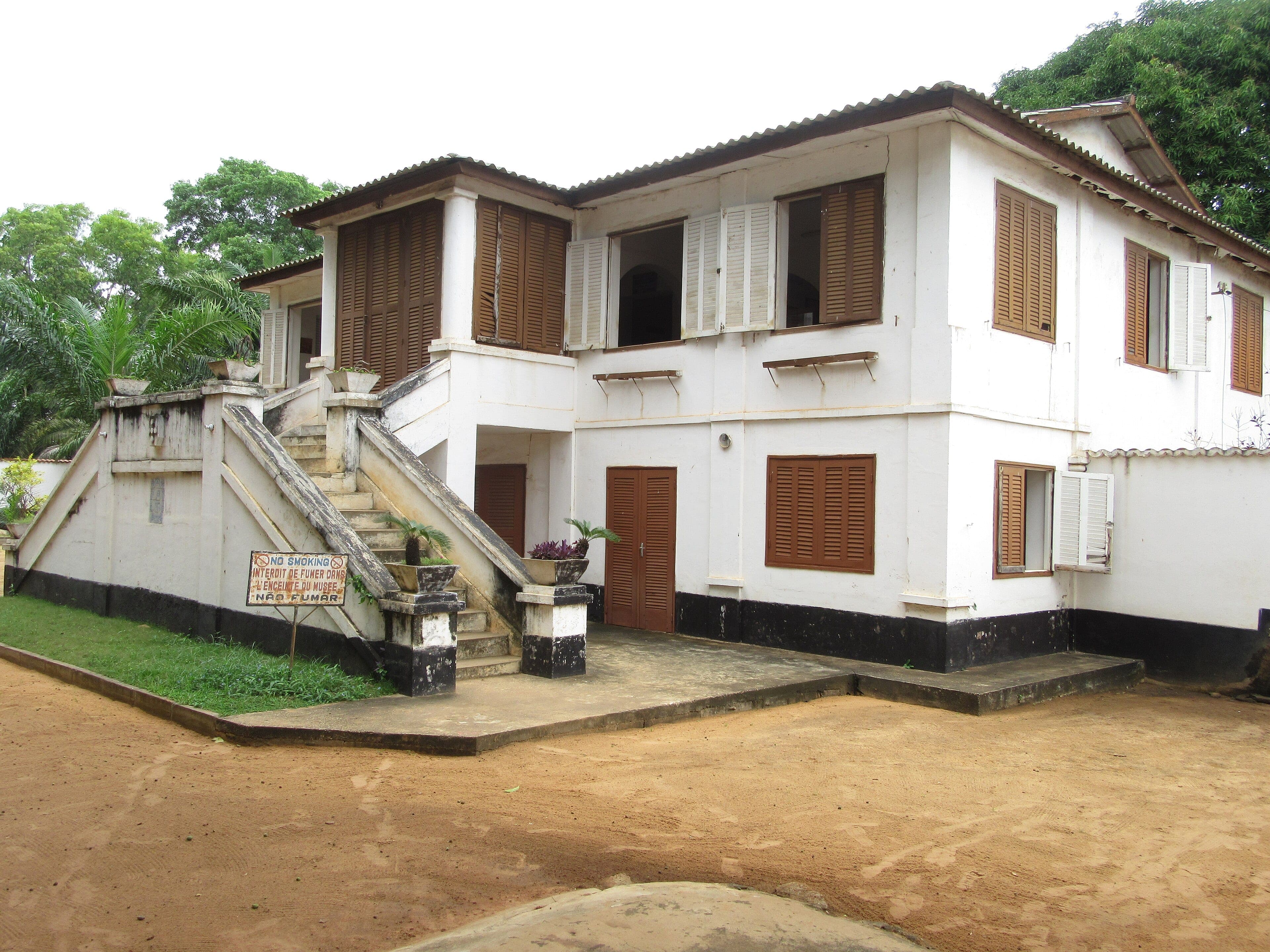
The Portuguese Fort
Fort São João Baptista de Ajudá was founded in 1721 by a merchant from Bahia. Portugal's last enclave on the Bight of Benin, annexed in 1961, it has housed Ouidah's history museum since 1967 and is set to become the MIME.
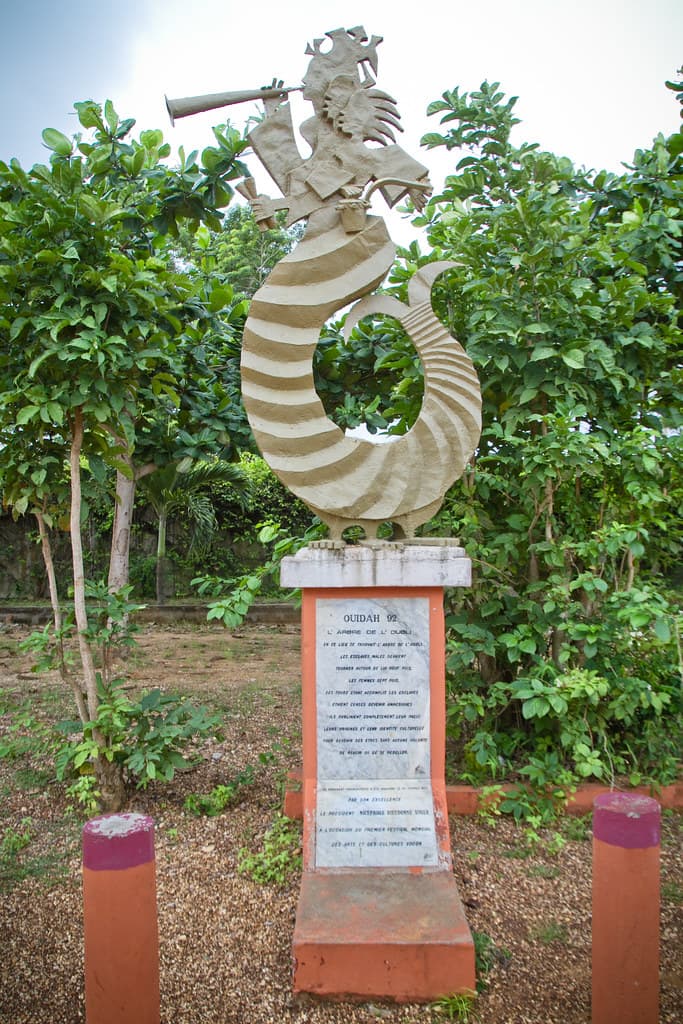
The Tree of Forgetfulness
At first glance, the Tree of Forgetfulness seems harmless. But this is where a systematic attempt to erase identities has failed. The memory of ancestors endures.
Conservation of Pangolins
In a unique context, Stanislas Zanvo's study reveals the challenges of pangolin conservation amid hunting, culture, and biodiversity protection.
Heritage and Tourism in Benin
Ouidah, a crossroads of memory and culture, examines the challenges of tourism in light of its painful past. A revealing study by Gbèhouèkan Edjekpoto.
The Angels' Share in Cotonou
The emergence of neo-Vodun cults in Cotonou sheds light on the interaction between urbanization and spirituality, revealing an unexpected dynamic.
African Masks in Ouidah
Ouidah, rich in traditions, reveals African masks as sacred objects with complex meanings. A study by Tchénando Patrick Noukpo explores this duality.
Voodoo Rituals: Illness and Death Benin
In Ouidah, voodoo rituals surrounding illness and death reveal the complexity of local beliefs. Virginie Tourreil's research sheds light on this profound cultural dynamic.
Corn: Culinary and Religious Heritage
In Ouidah, corn transcends its role as food to become a symbol of cultural resilience and identity. A thorough study by Rosa Nallely Moreno Moncayo reveals its implications in Vodoun rituals.
The Agudàs of Ouidah: Brazilian heritage and identity in Benin
The Agudàs, descendants of Brazilian ancestors in Benin, weave a complex link between cultural heritage and social integration. Their story reveals profound identity challenges.
Crime and Punishment in the Colonies (1894-1945)
Bénédicte Brunet-La Ruche's study reveals the colonial penal project in Dahomey, a complex judicial system where social tensions play out in the courts.
Myths of Ouidah
The myths of Ouidah transcend time, shedding light on the human soul and the cultural transformations of Benin. Marie-George Viallet-Fournier's study reveals their contemporary significance.
The Plant Landscapes of Ouidah
Dominique Juhé-Beaulaton's study immerses us in the complex relationships between humans and nature in Ouidah, revealing a often-overlooked heritage.