The Legacy
the foundations of ouidah's memory
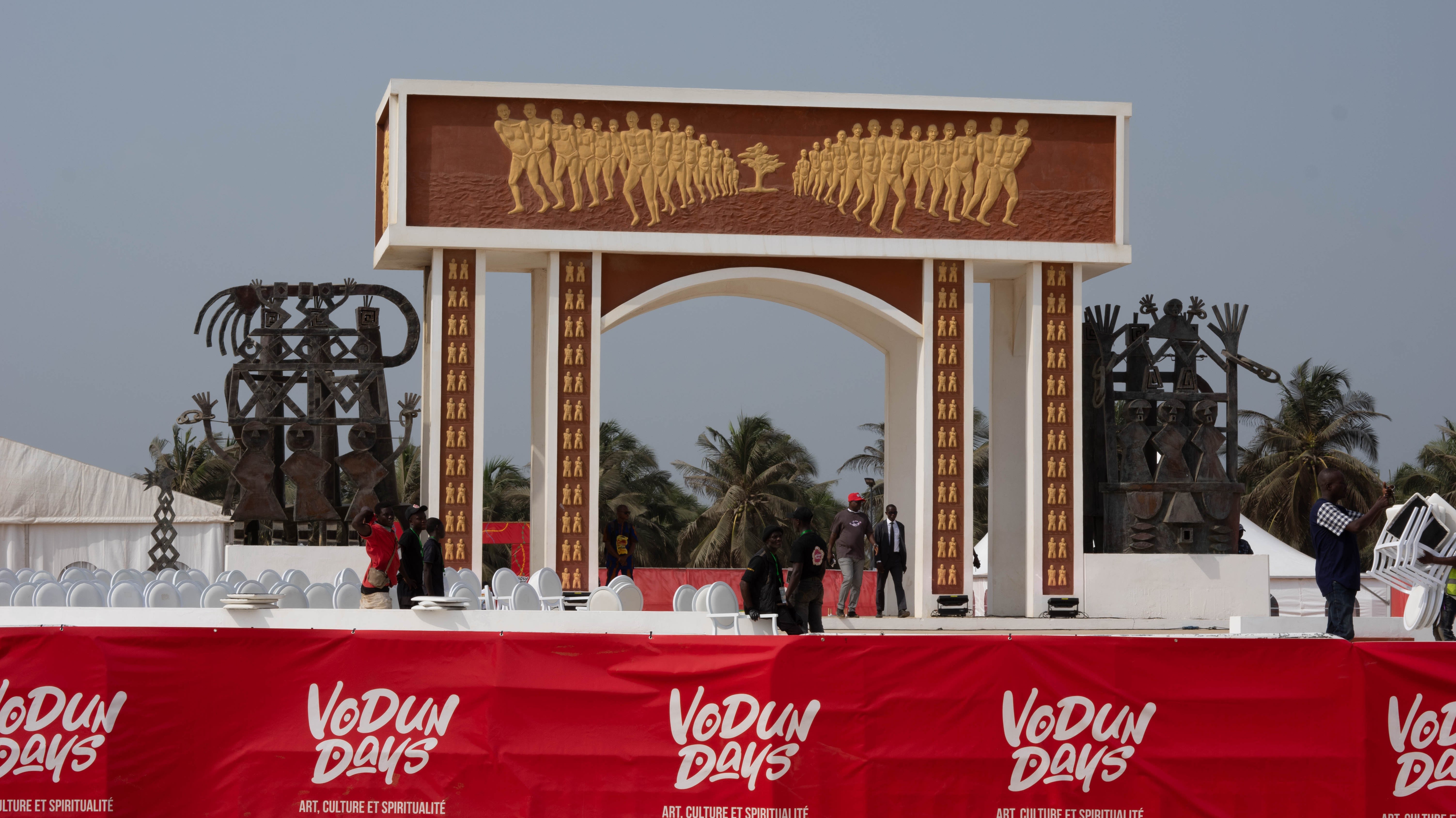
The Door of No Return
On Ouidah's beach, the memorial to more than a million captives shipped from this shore, rebuilt in 2025
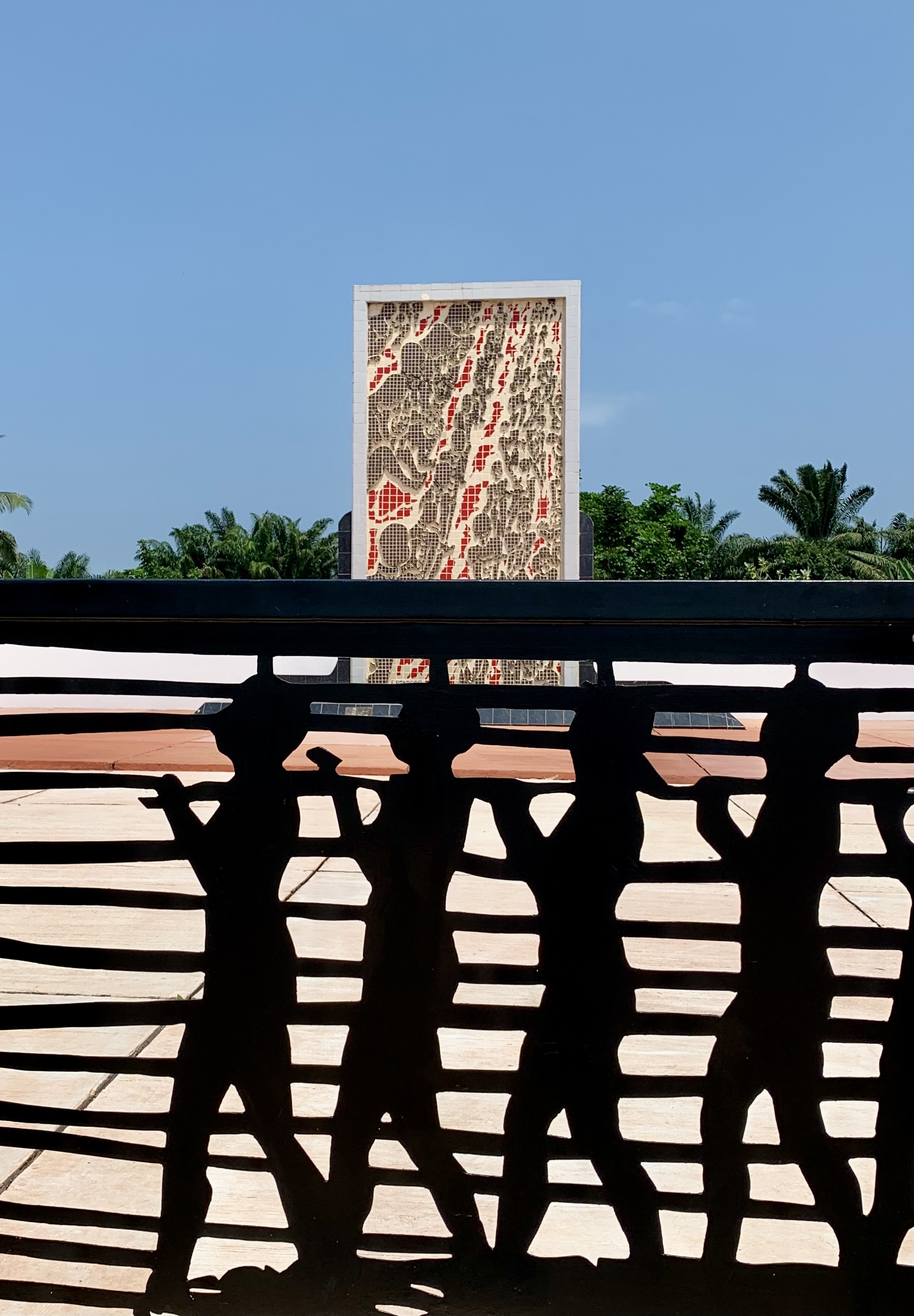
The Slave Route
From the auction square to the beach, a memorial walk of two to two and a half miles created between 1992 and 1995
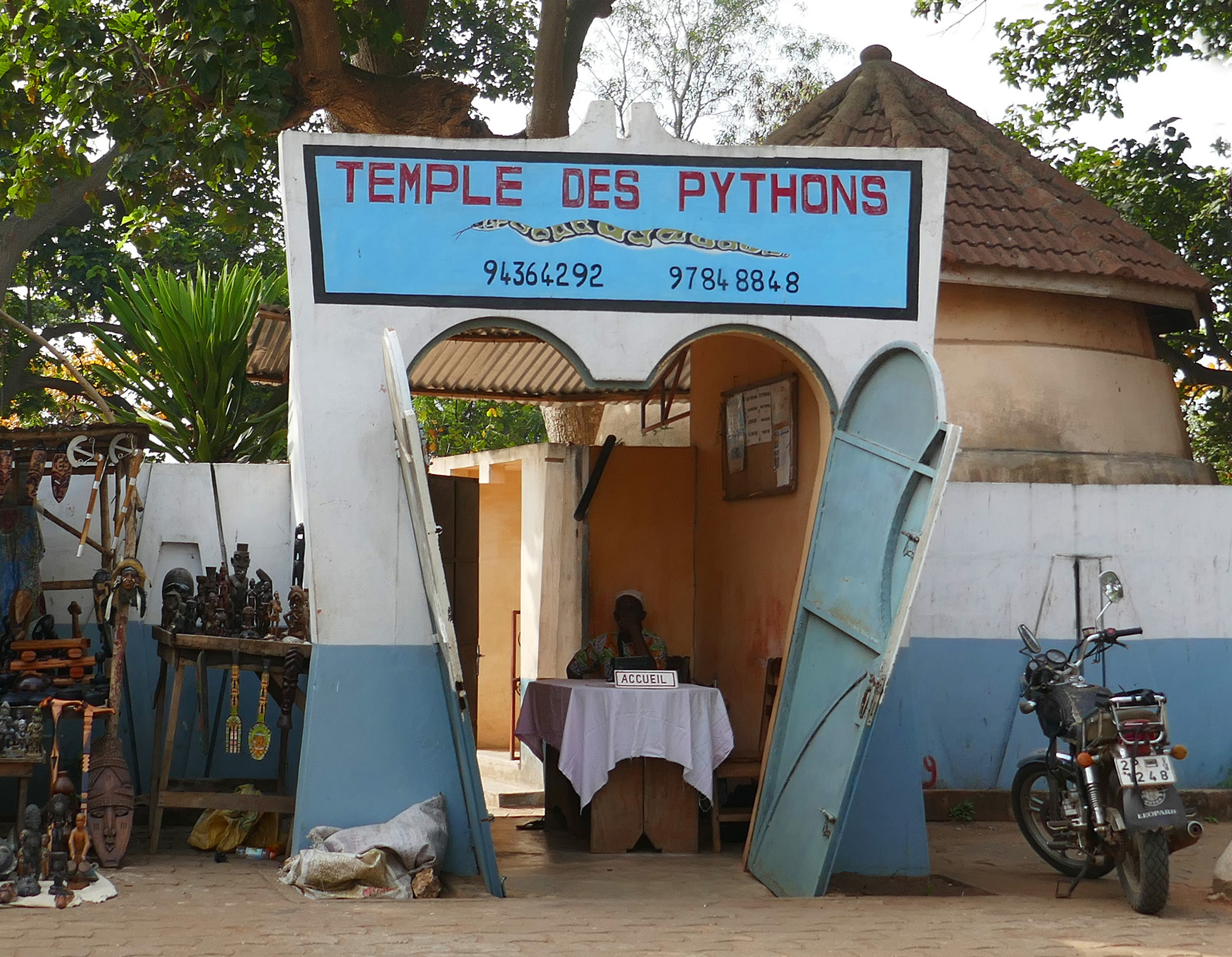
The Temple of Pythons
Facing the basilica, the shrine of Dangbé, serpent deity of the Xweda people, where royal pythons come and go freely
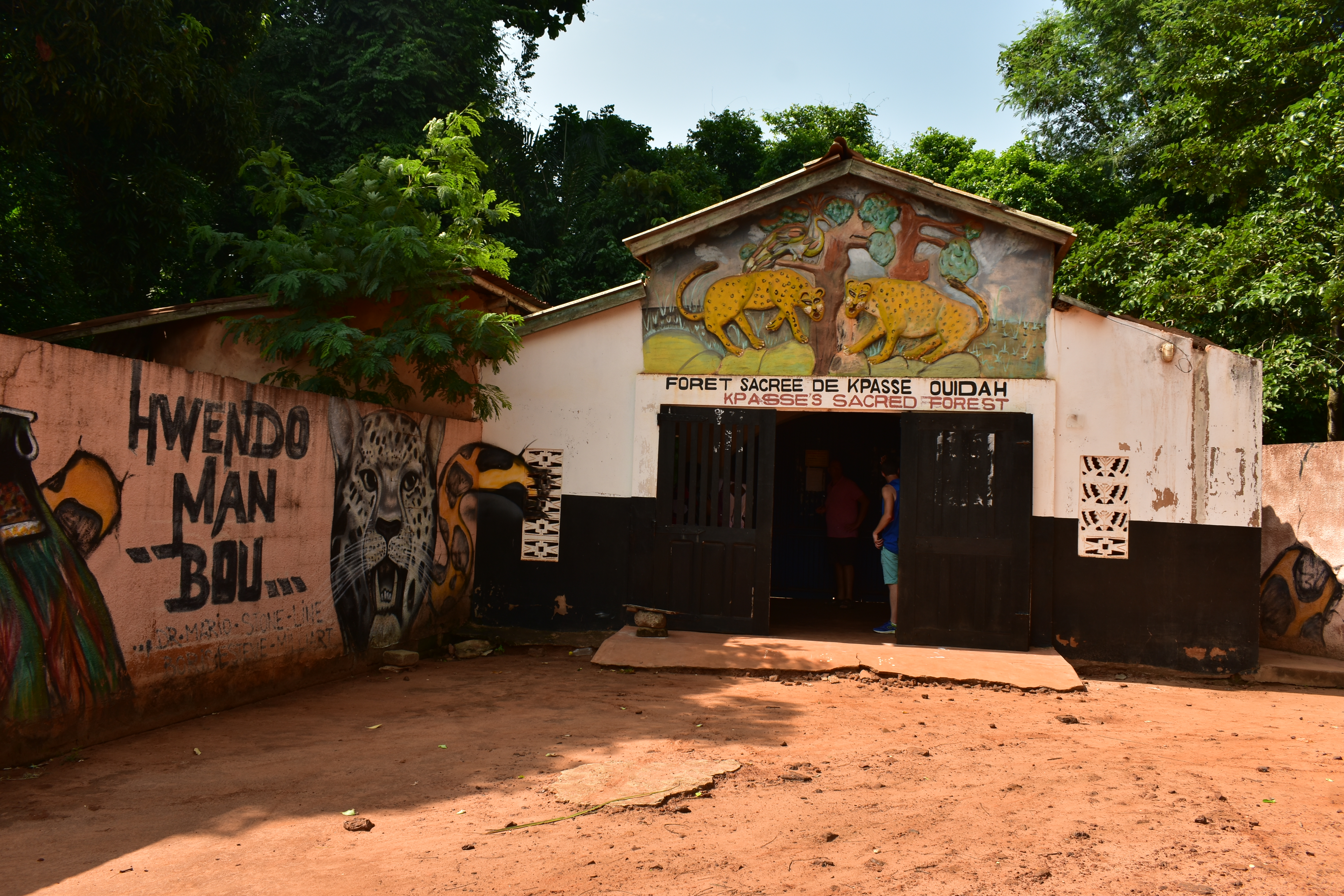
The Sacred Forest of Kpassè
Four hectares of coastal forest at the heart of Ouidah, where founding king Kpassè is said to have turned into a sacred iroko tree
The Fa Oracle
A divination system of 256 signs, inherited from Yoruba Ifá, that still guides life decisions in Benin
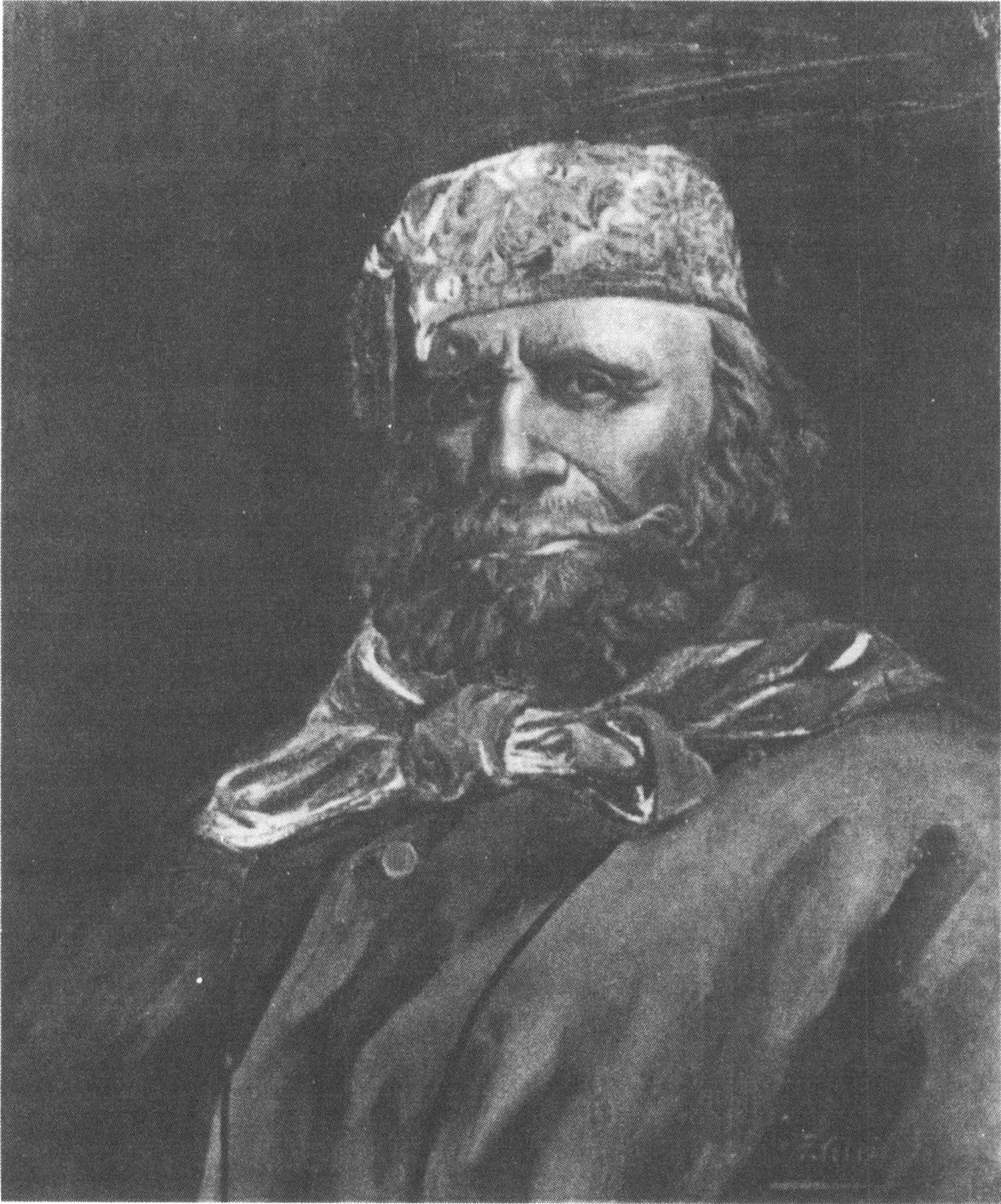
Francisco Félix de Souza
Slave trader, builder, ambiguous ancestor
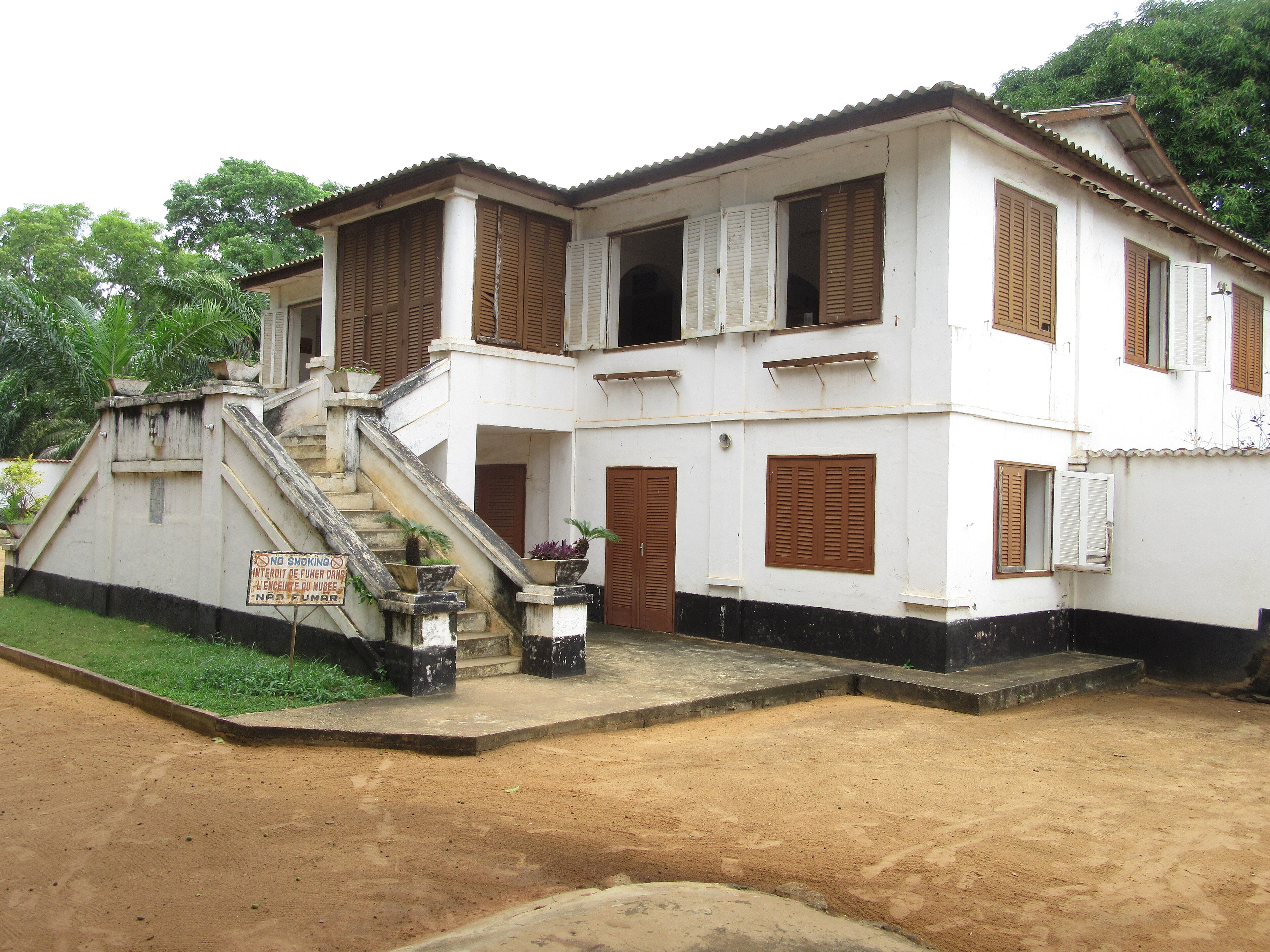
The Portuguese Fort
Founded in 1721 by a Bahia merchant, Portugal's last foothold on the Bight of Benin until 1961, soon to house an international museum of memory and slavery
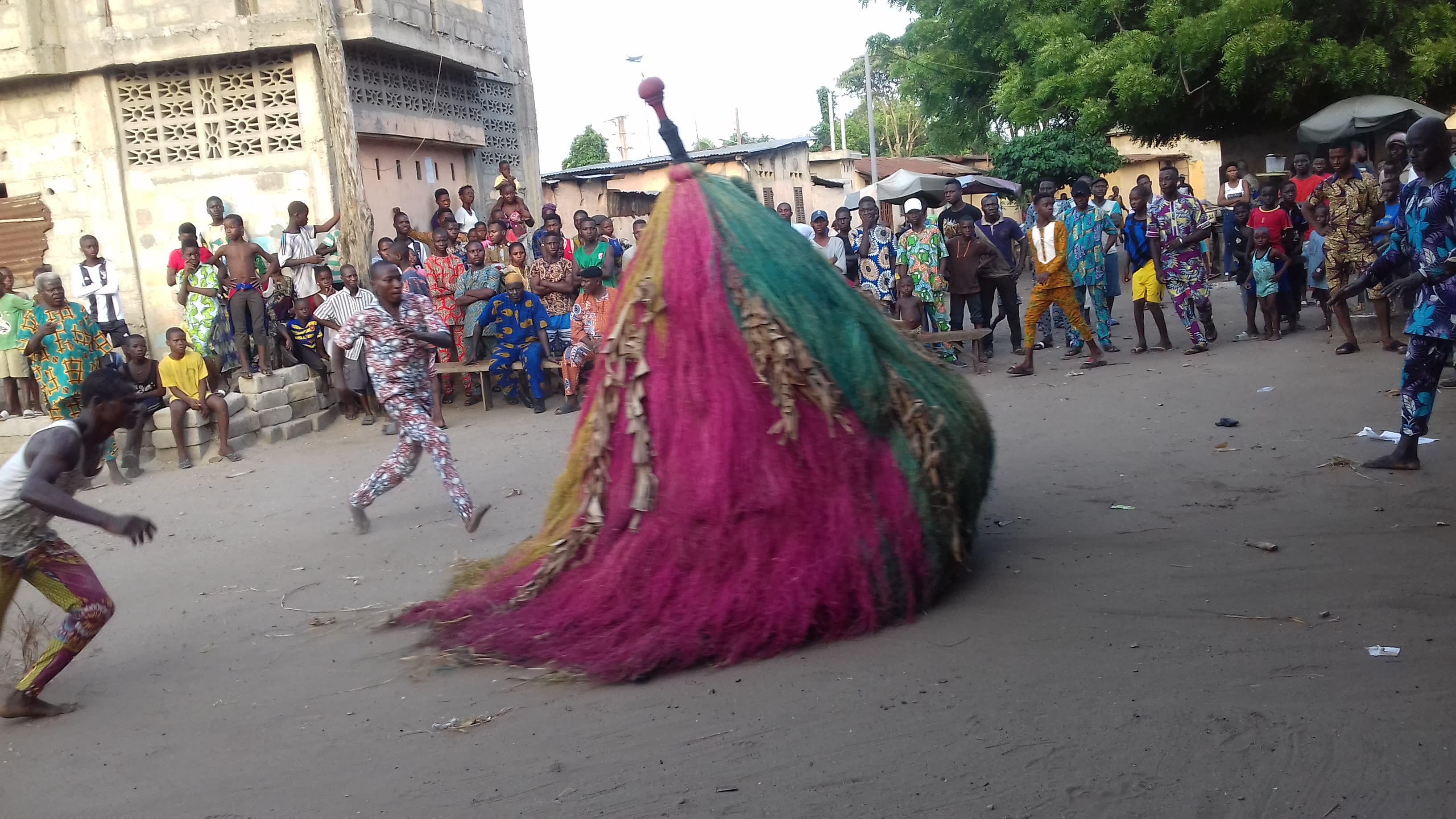
Zangbeto
Spinning raffia masks and keepers of the night, the Zangbeto have watched over the neighborhoods of southern Benin for centuries
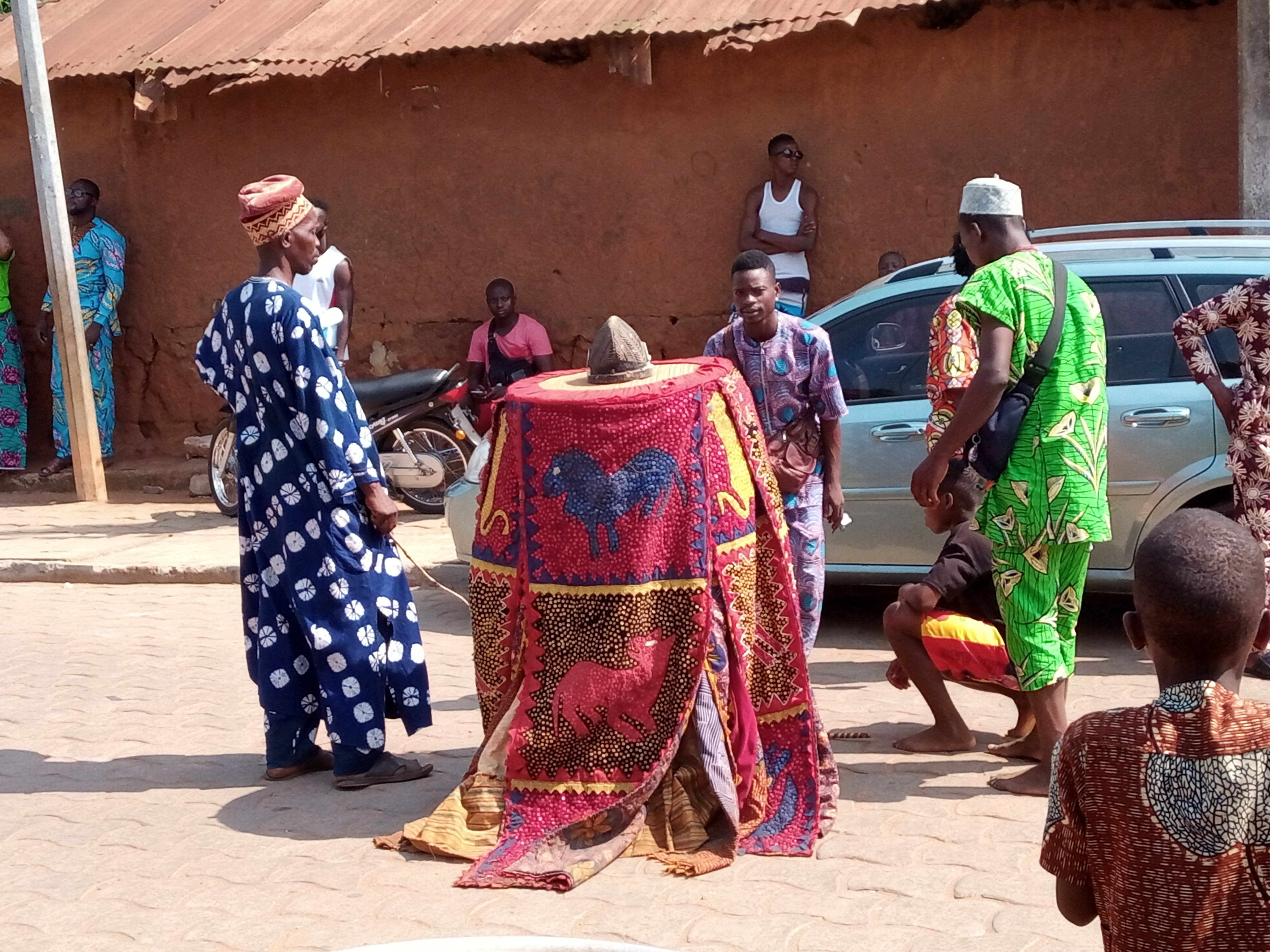
Egungun
The ancestors return to the living under layers of cloth: the Yoruba cult of the Egungun, from Oyo to Ouidah and on to Bahia
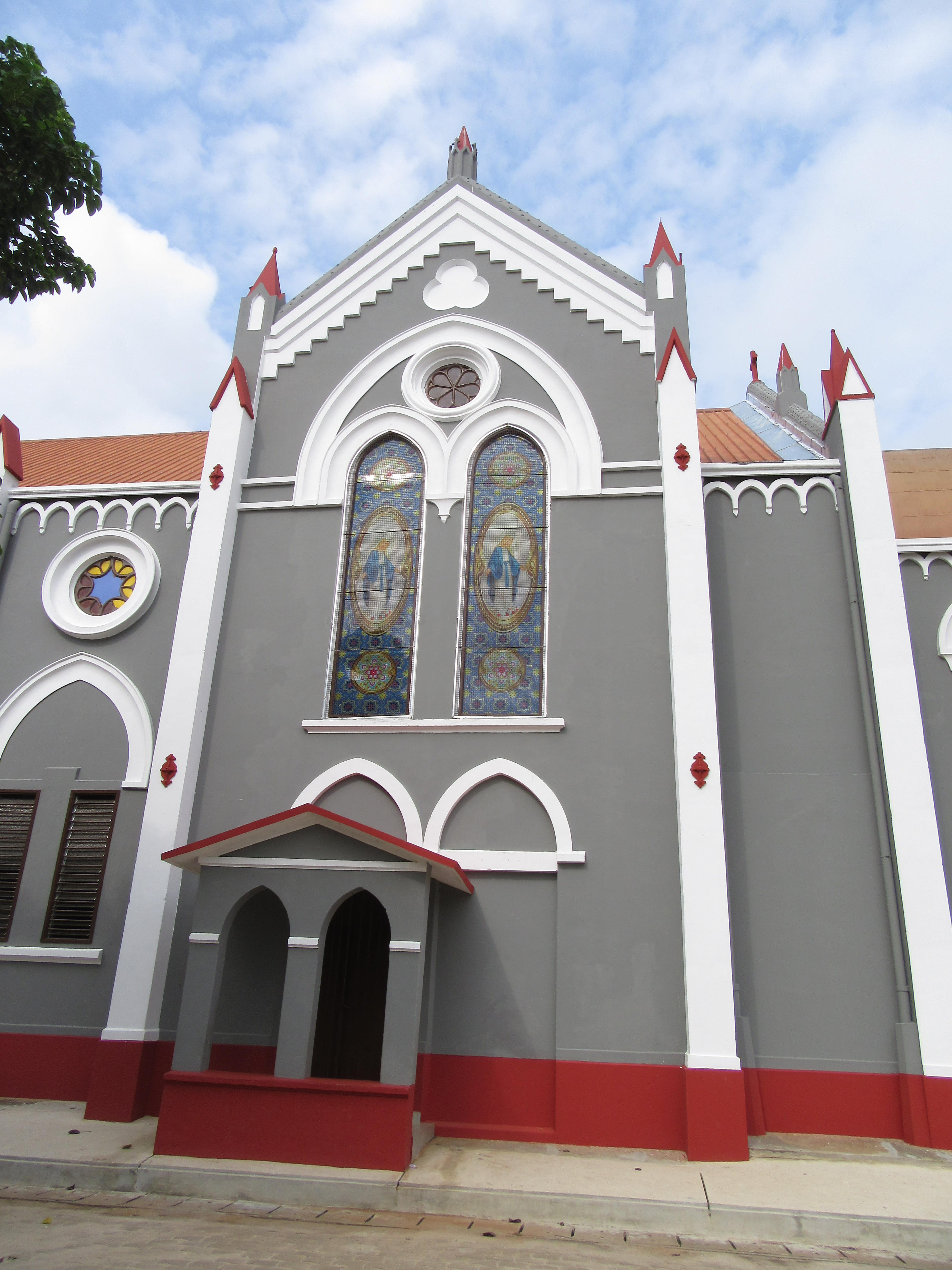
The Afro-Brazilian Cathedral
A neo-Gothic church built facing the Python Temple, now the visual symbol of how Catholicism and Vodun coexist in Ouidah
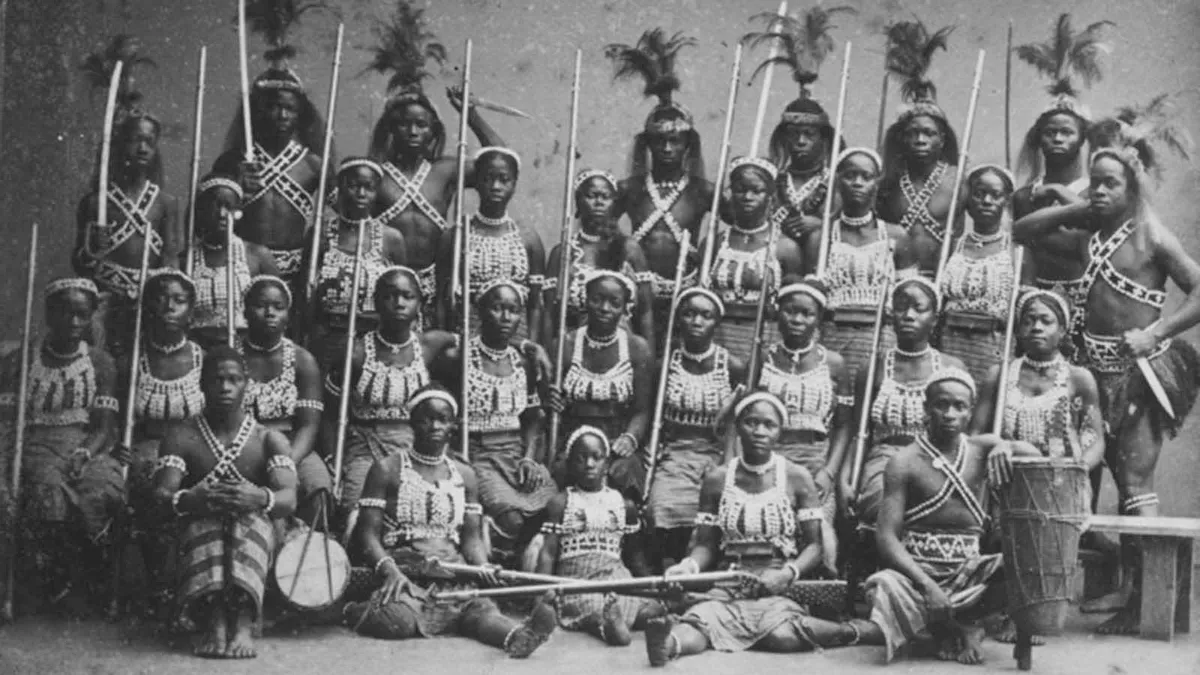
The Agojie
Discover the fascinating history of the Agojie, this elite all-female military regiment of Dahomey that fiercely defied the colonial armies.
Vodun Days
Every year, around the second Friday of January, Ouidah becomes for four days the center of Benin's national Vodun festival
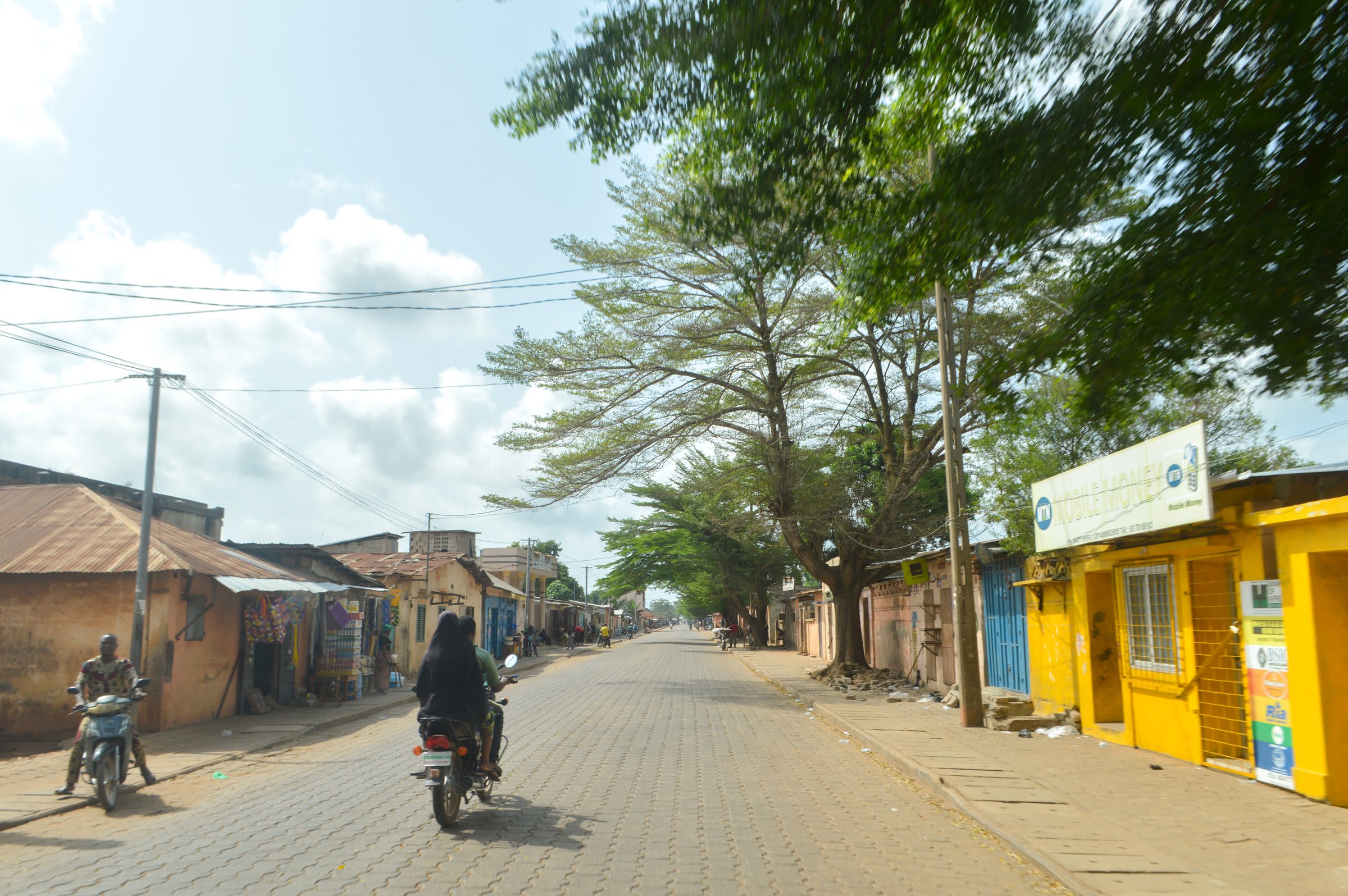
The Aguda Community
The story of Afro-Brazilian families who came back to settle on the coast their ancestors had been deported from, and the mark they left on Ouidah
The Brazilian Heritage
Architecture, language, food and festivals: what the Aguda community brought back from Brazil and still keeps alive in Ouidah today
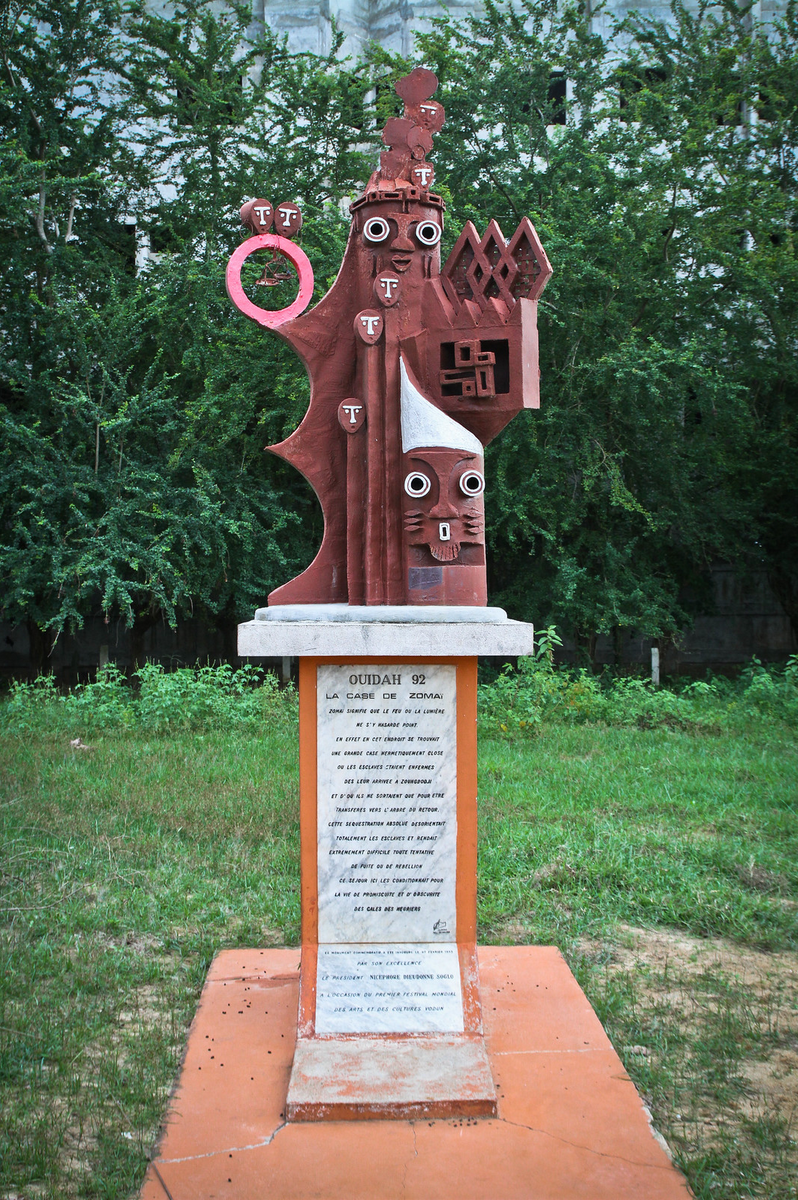
The Zomaï Enclosure
The dark remnants of the Zomai plaza, where captives were disoriented in total darkness to break their spirit of resistance.
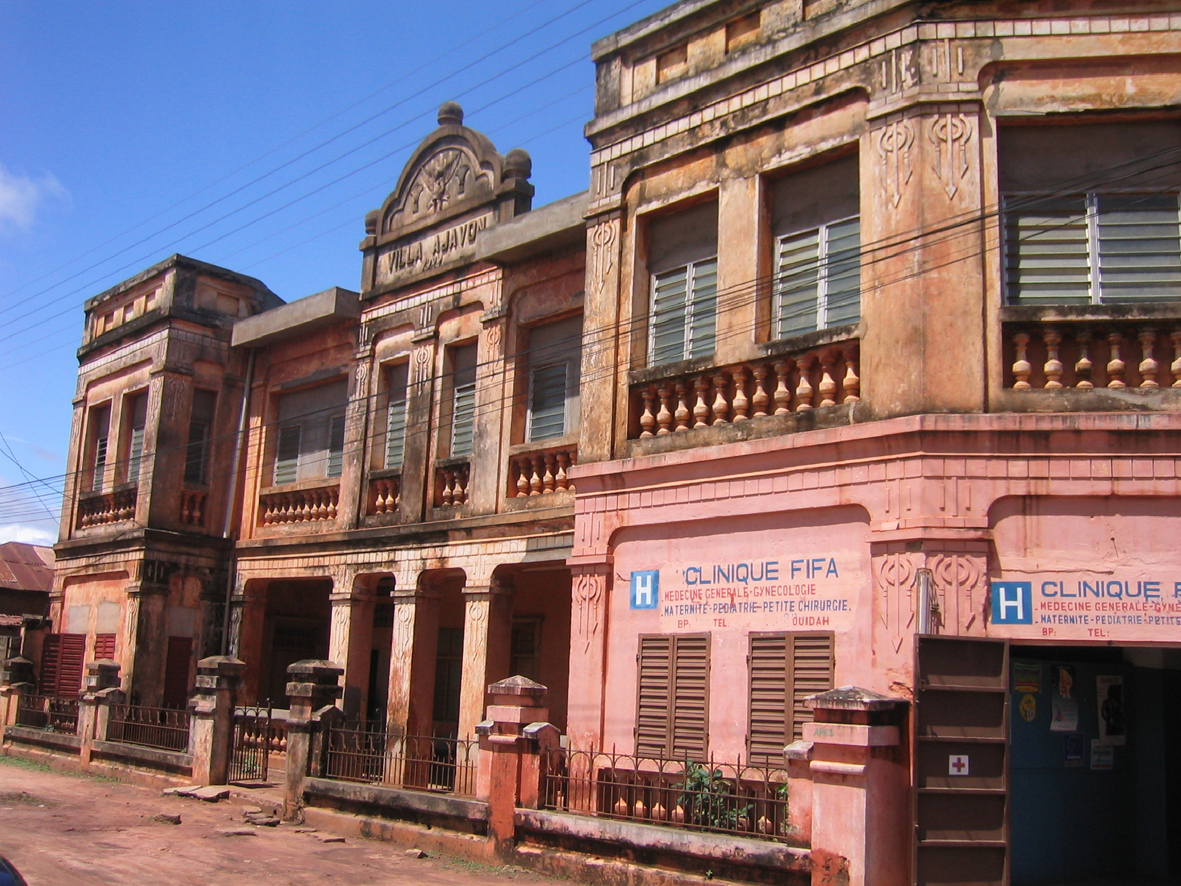
The Zinsou Foundation
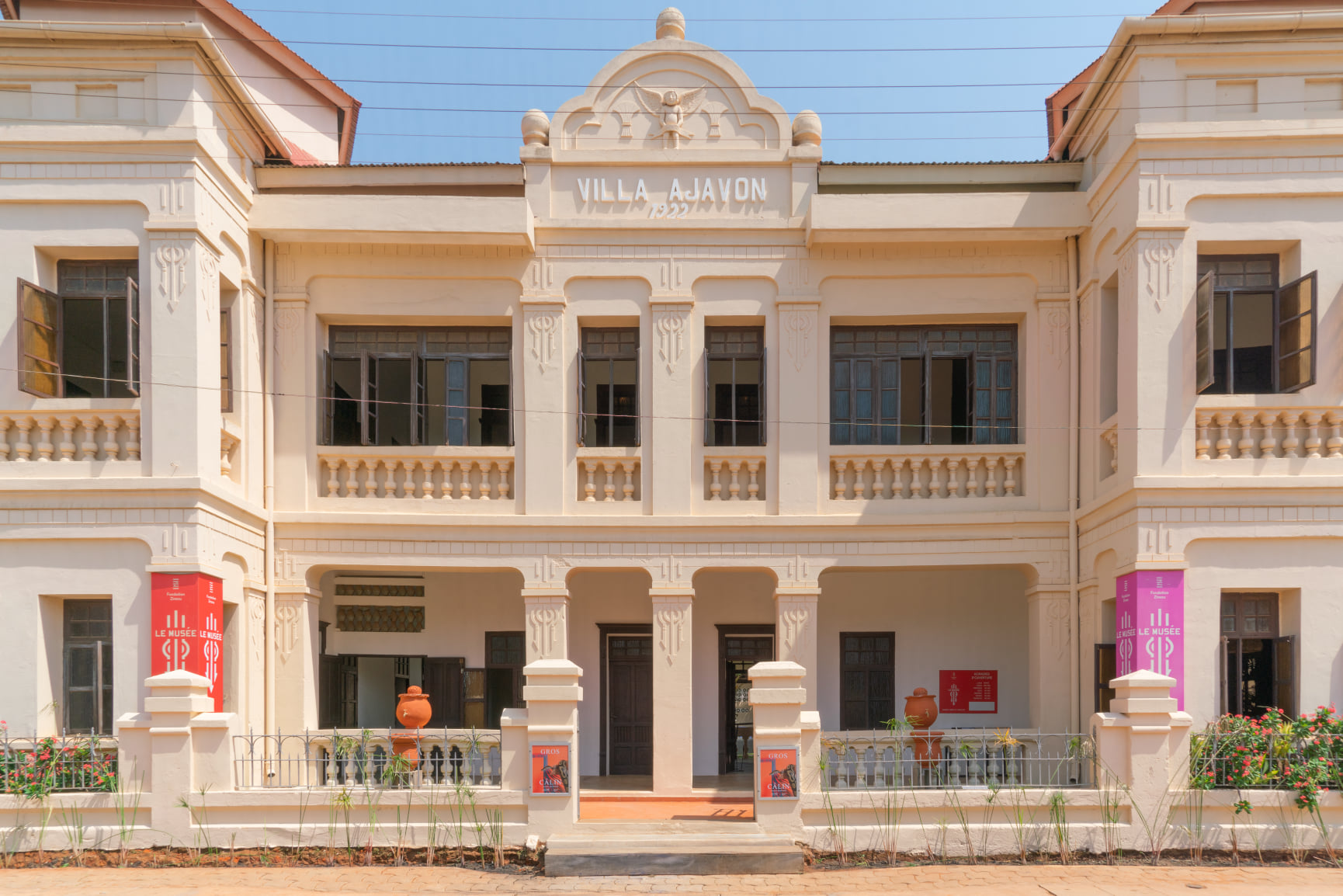
In a 1922 Afro-Brazilian villa, Benin's first contemporary art museum, free to all since 2013
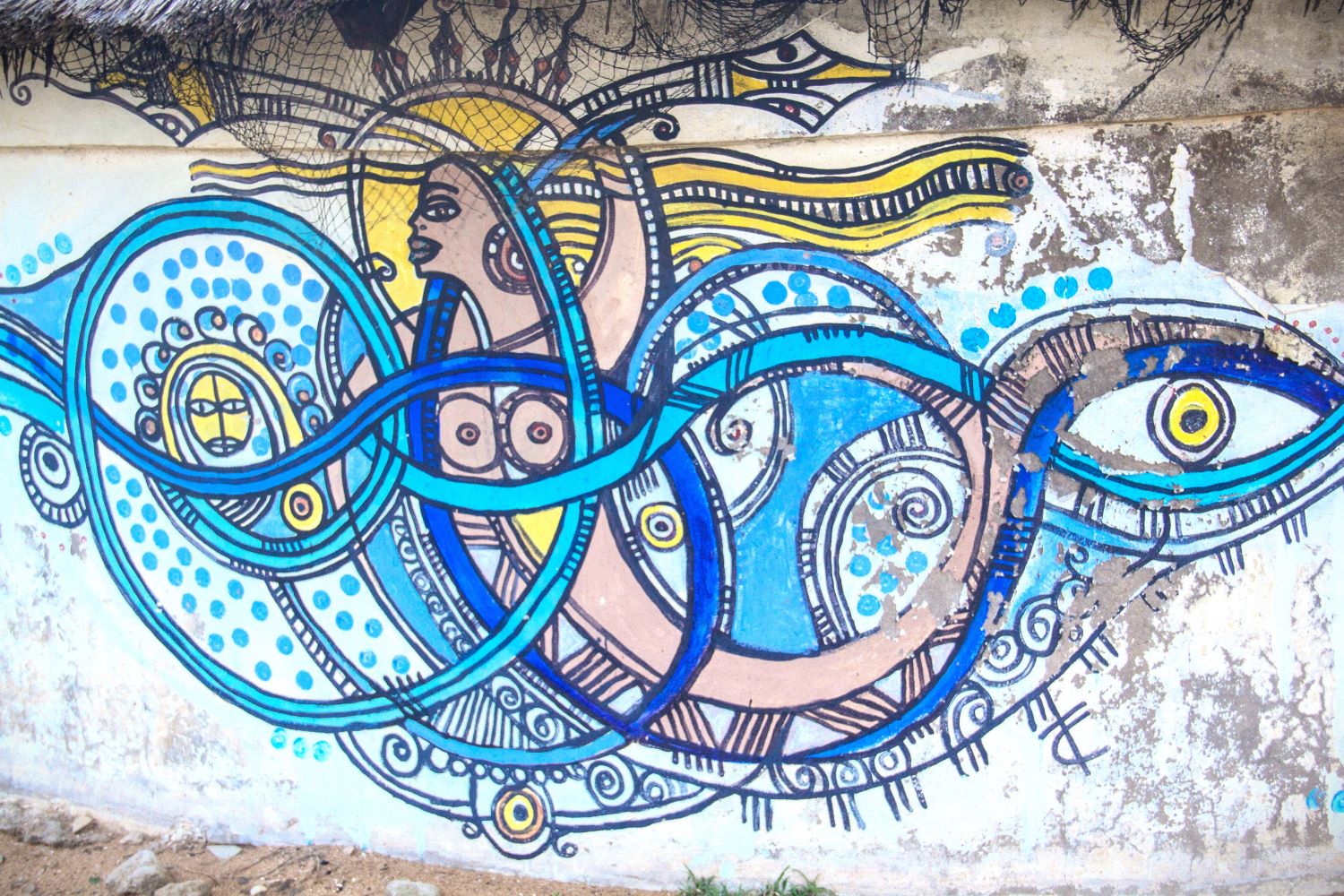
Mami Wata
Spirit of the waters, of wealth and of beauty, honored along the whole West African coast and across the Americas
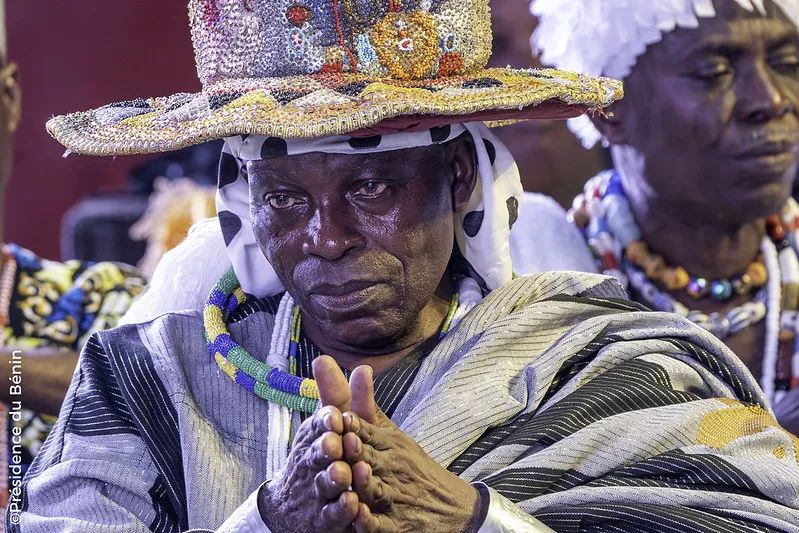
Daagbo Hounon
The supreme spiritual leader of the Vodun cult in Ouidah, guarantor of ancestral traditions and a true bridge between the past and present.
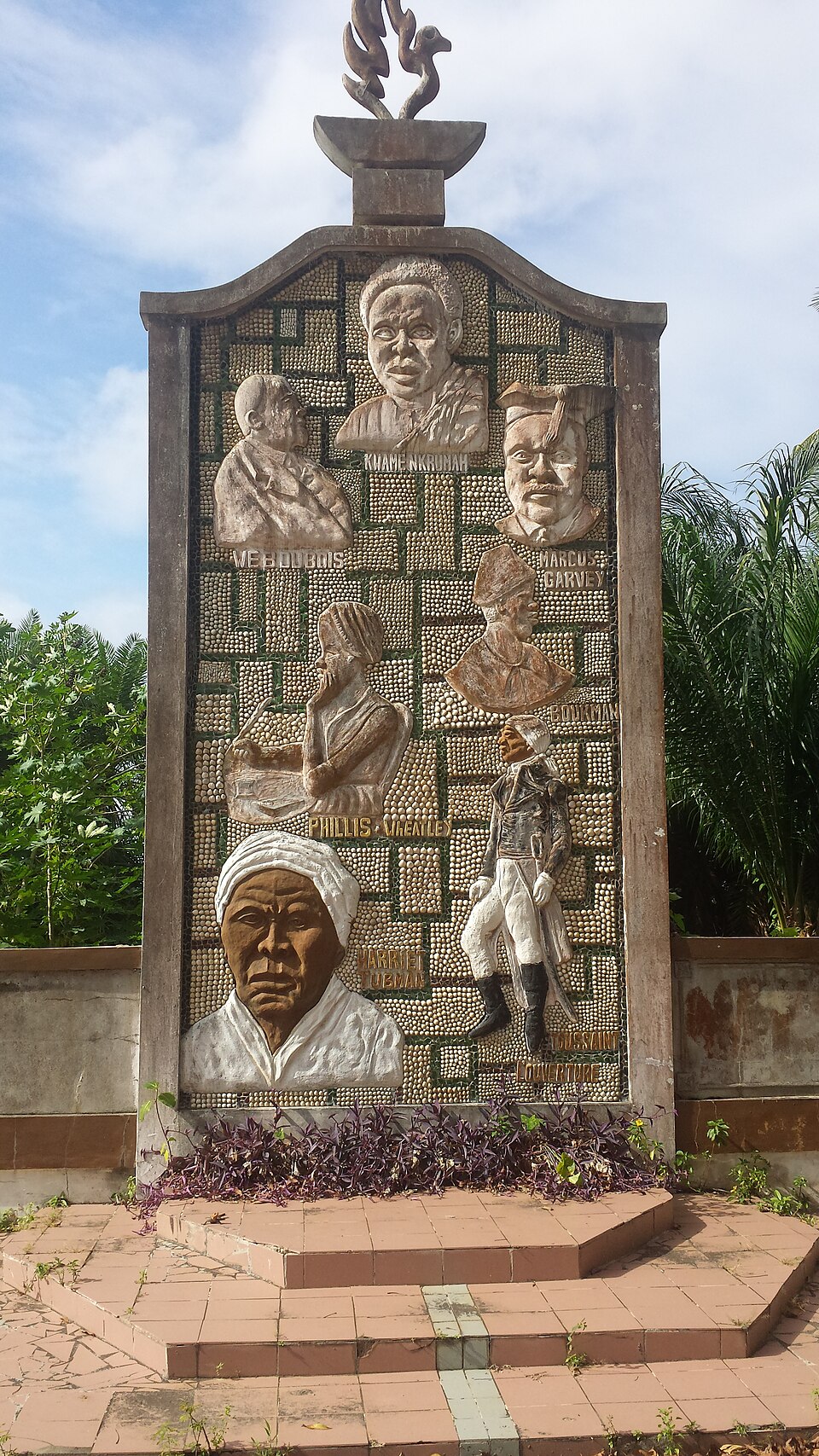
Zomachi, the memorial of repentance
On the Slave Route, a grassroots memorial that hosted the march of repentance from 1998 until its demolition in 2024
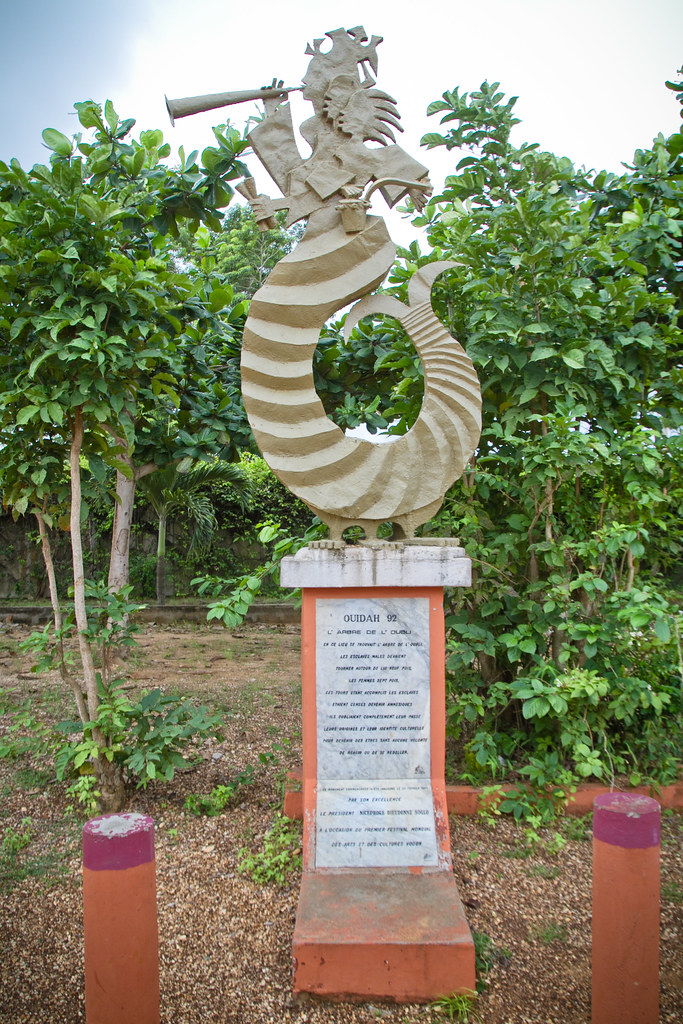
The Tree of Forgetfulness
The site of the mystical tree around which slaves had to circle to erase their memories before crossing the Atlantic.
the pillars are not just landmarks on a map. they are the physical grammar of ouidah's history, each one holding a fragment of the city's sacred, political, and diasporic memory.
some mark routes of departure, others protect spaces of ritual, and others reveal how communities negotiated power, survival, and identity along the coast of Dahomey.
read them as a sequence of encounters rather than a list of attractions. the city becomes clearer when each place is allowed to speak in its own voice.