 LoadingLoadingLoading
from the Kingdom of Dahomey to French colonialism and the slave trade: the historical monuments and archives that tell ouidah's complex past.
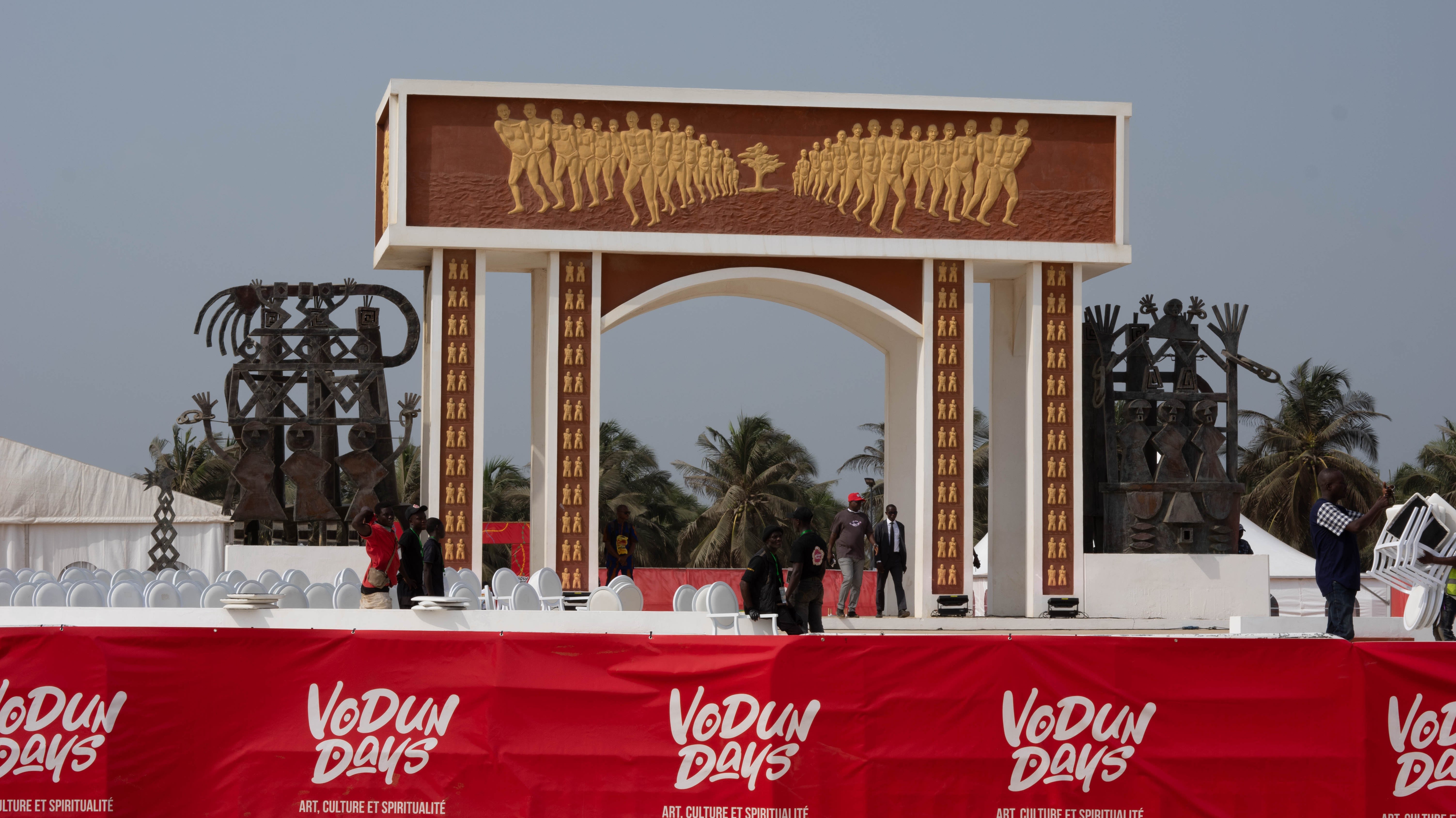
On Ouidah's beach, the memorial to more than a million captives shipped from this shore, rebuilt in 2025
At the end of the Slave Route, the Door of No Return marks the beach where more than a million captives were shipped out of Ouidah. First unveiled in 1995, the memorial was completely rebuilt in late 2025.
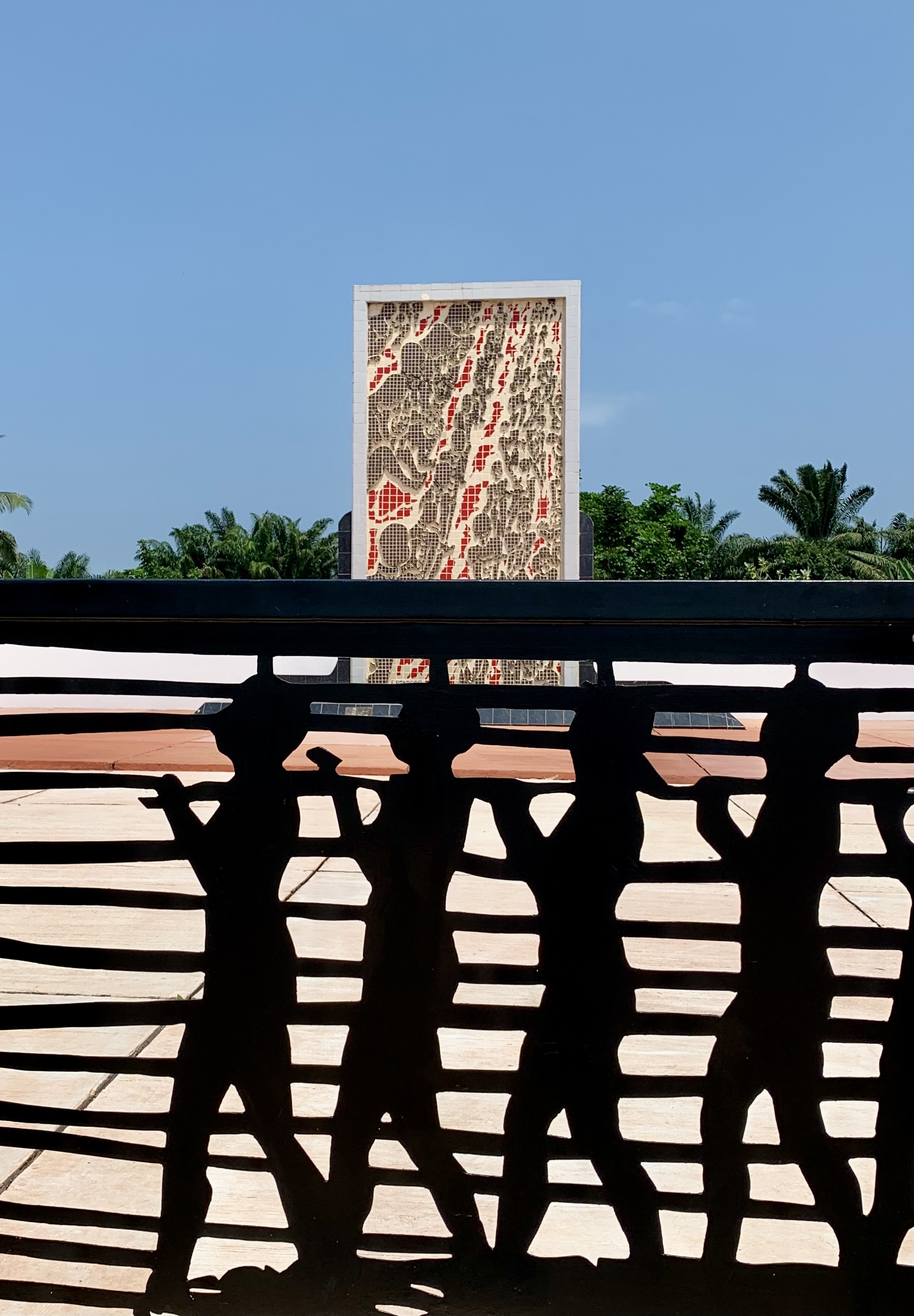
From the auction square to the beach, a memorial walk of two to two and a half miles created between 1992 and 1995
Ouidah's Slave Route links the old auction square to the beach where captives were shipped out. Created between 1992 and 1995, the six-station route blends documented history, oral tradition and some thirty artworks.
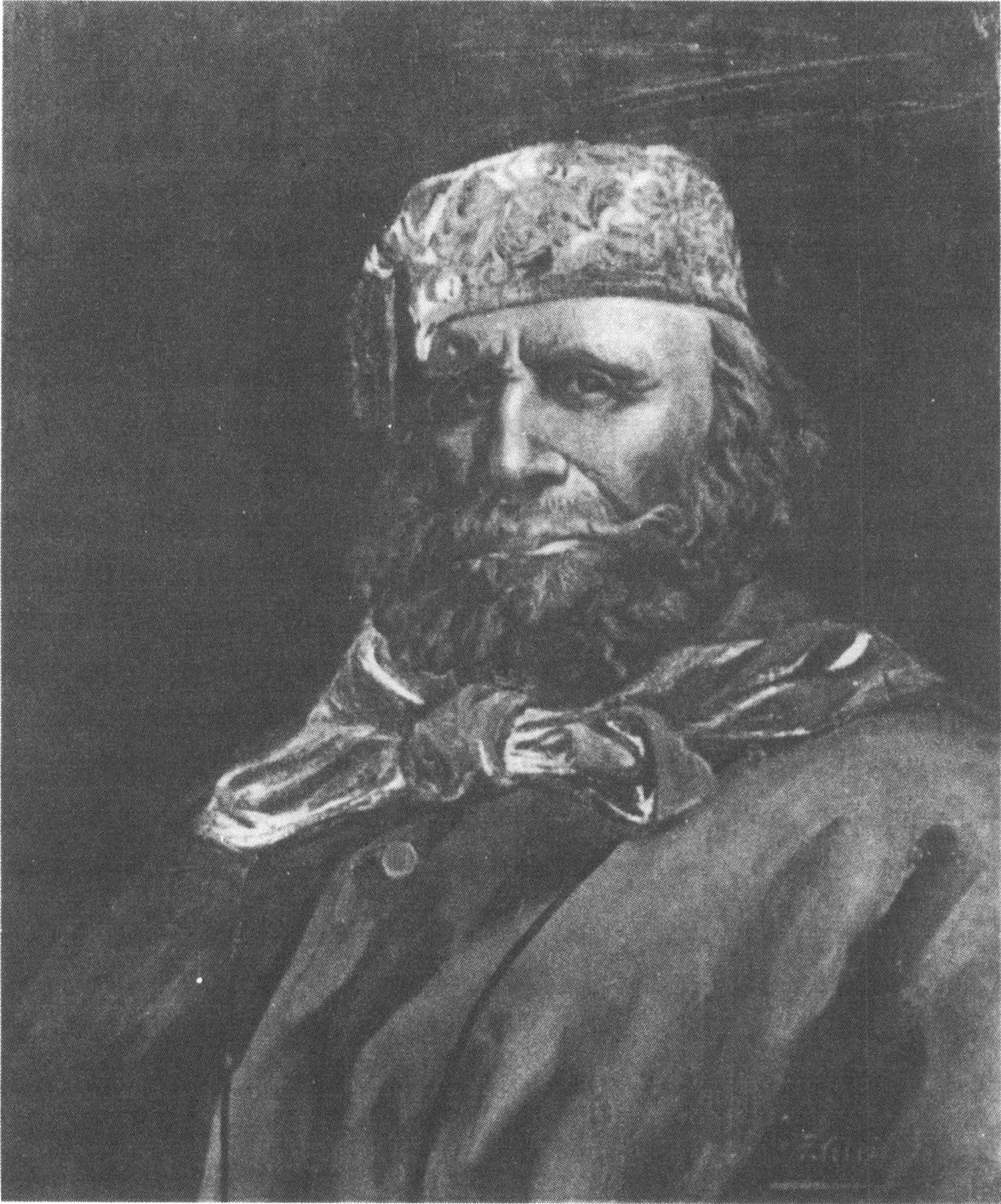
Slave trader, builder, ambiguous ancestor
In Ouidah's heart lies Place Chacha, named after Francisco Félix de Souza, a slave trader whose legacy challenges simple narratives of history. His descendants remain, and his impact is palpable.
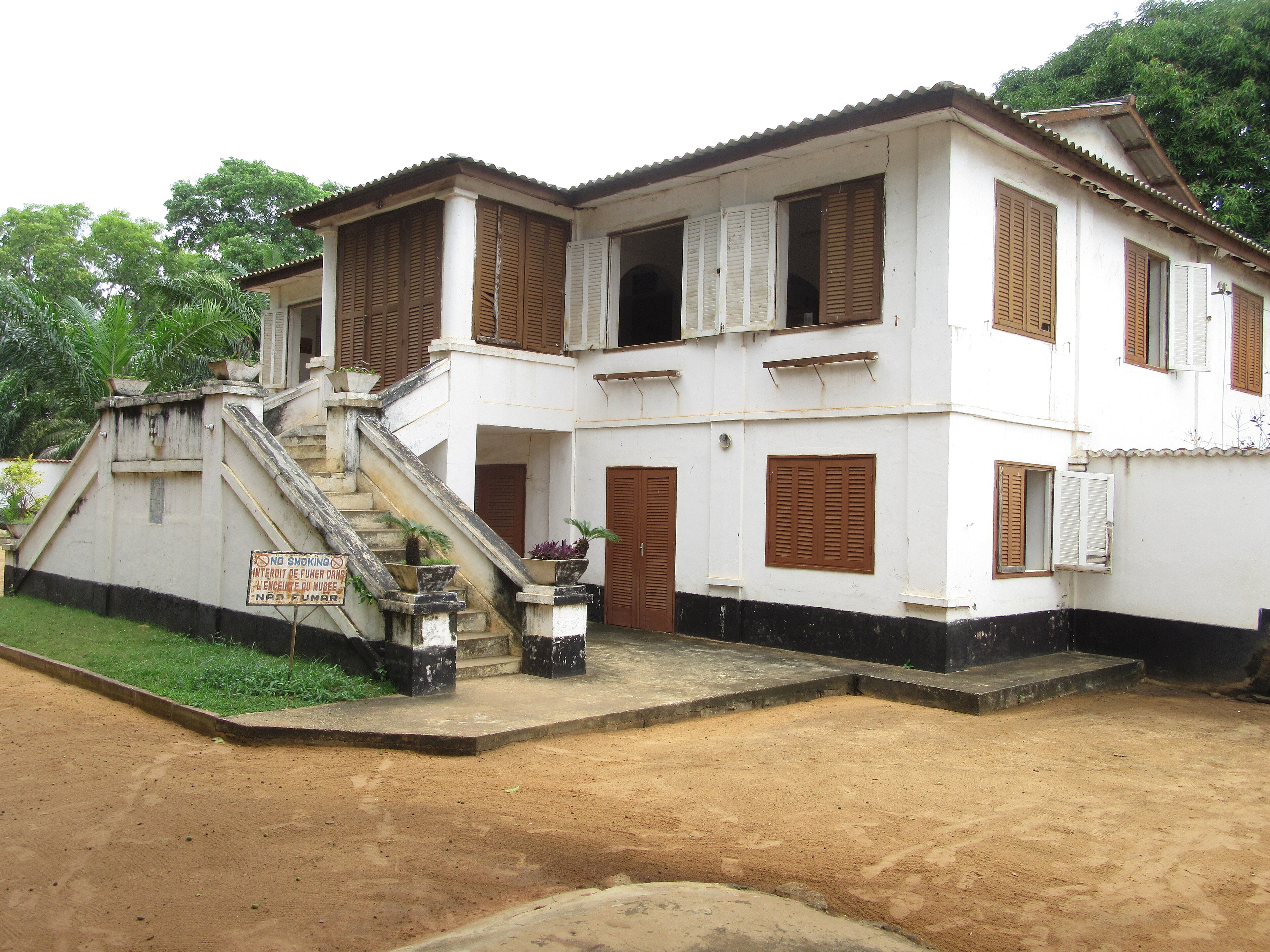
Founded in 1721 by a Bahia merchant, Portugal's last foothold on the Bight of Benin until 1961, soon to house an international museum of memory and slavery
Fort São João Baptista de Ajudá was founded in 1721 by a merchant from Bahia. Portugal's last enclave on the Bight of Benin, annexed in 1961, it has housed Ouidah's history museum since 1967 and is set to become the MIME.
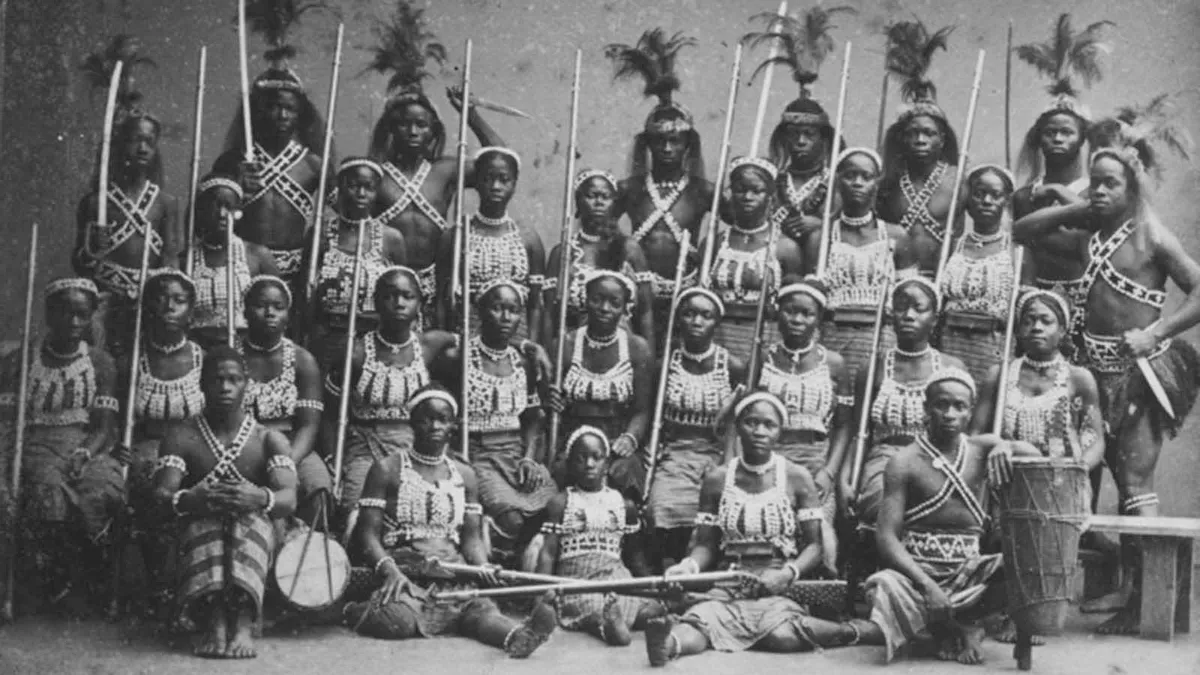
Discover the fascinating history of the Agojie, this elite all-female military regiment of Dahomey that fiercely defied the colonial armies.
Encountering the Agojie in 1892, the French Foreign Legion met a formidable force. These women were not just warriors; they were a documented army that defied norms and shaped history.
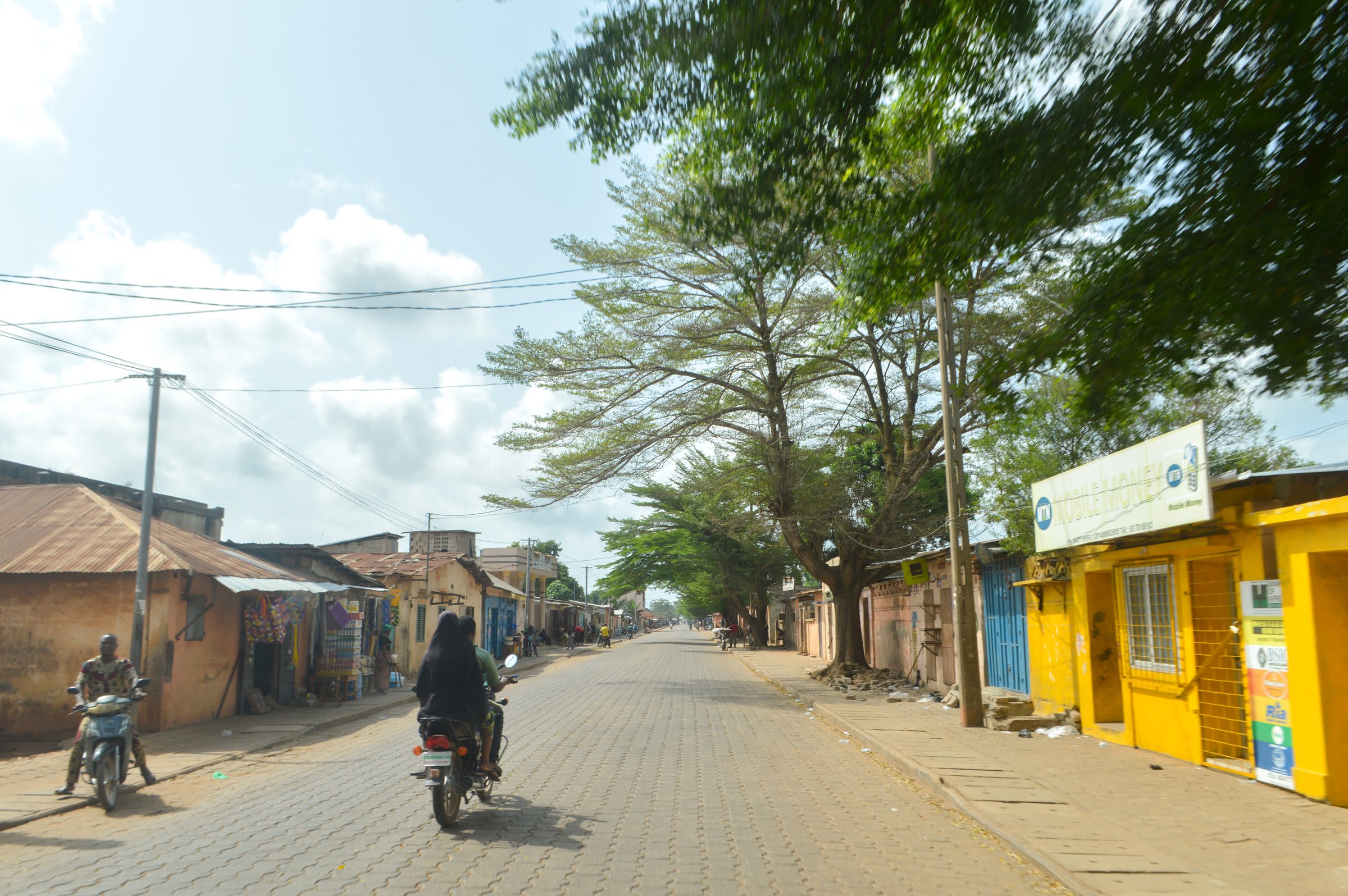
The story of Afro-Brazilian families who came back to settle on the coast their ancestors had been deported from, and the mark they left on Ouidah
The Aguda are descendants of freed slaves who returned from Brazil to the coast their ancestors had been shipped from. Their history, their neighborhoods, and the architecture they left behind in Ouidah.
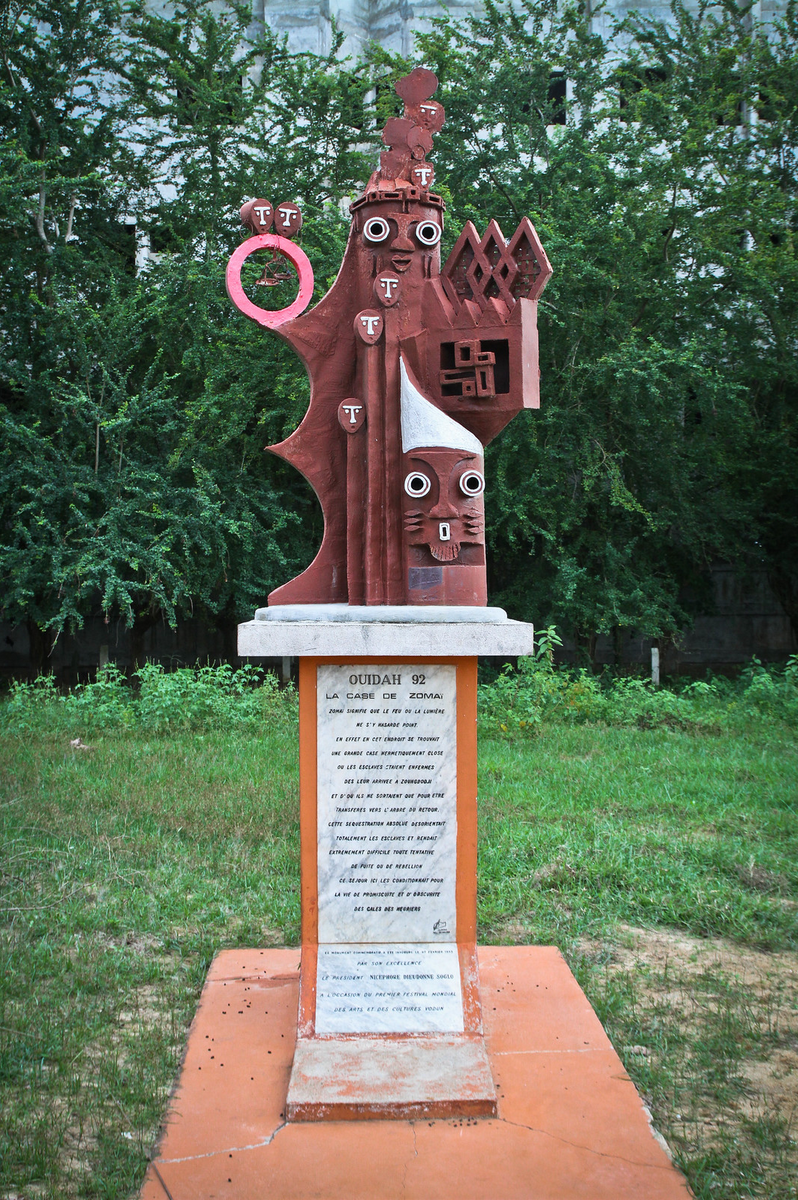
The dark remnants of the Zomai plaza, where captives were disoriented in total darkness to break their spirit of resistance.
At the heart of the slave route, the Zomai Enclosure stands out for its lack of narrative. This place, in silence, evokes an unrelenting erasure technology, revealing the depths of oblivion.
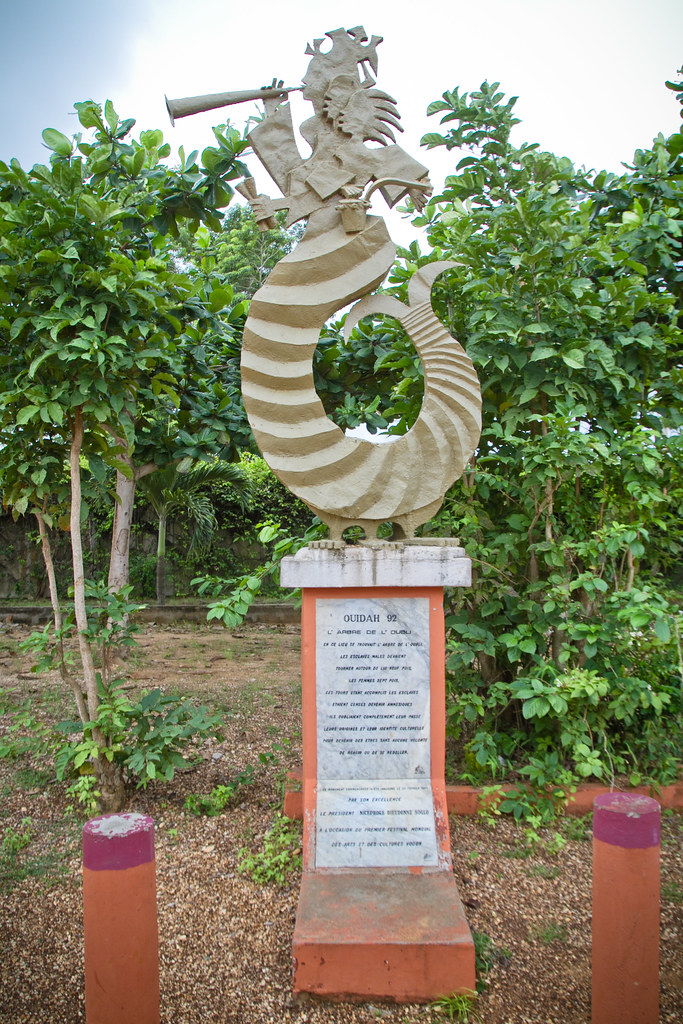
The site of the mystical tree around which slaves had to circle to erase their memories before crossing the Atlantic.
At first glance, the Tree of Forgetfulness seems harmless. But this is where a systematic attempt to erase identities has failed. The memory of ancestors endures.
8 pillars in this category