It is hard to build a museum on a wound that has never stopped speaking.
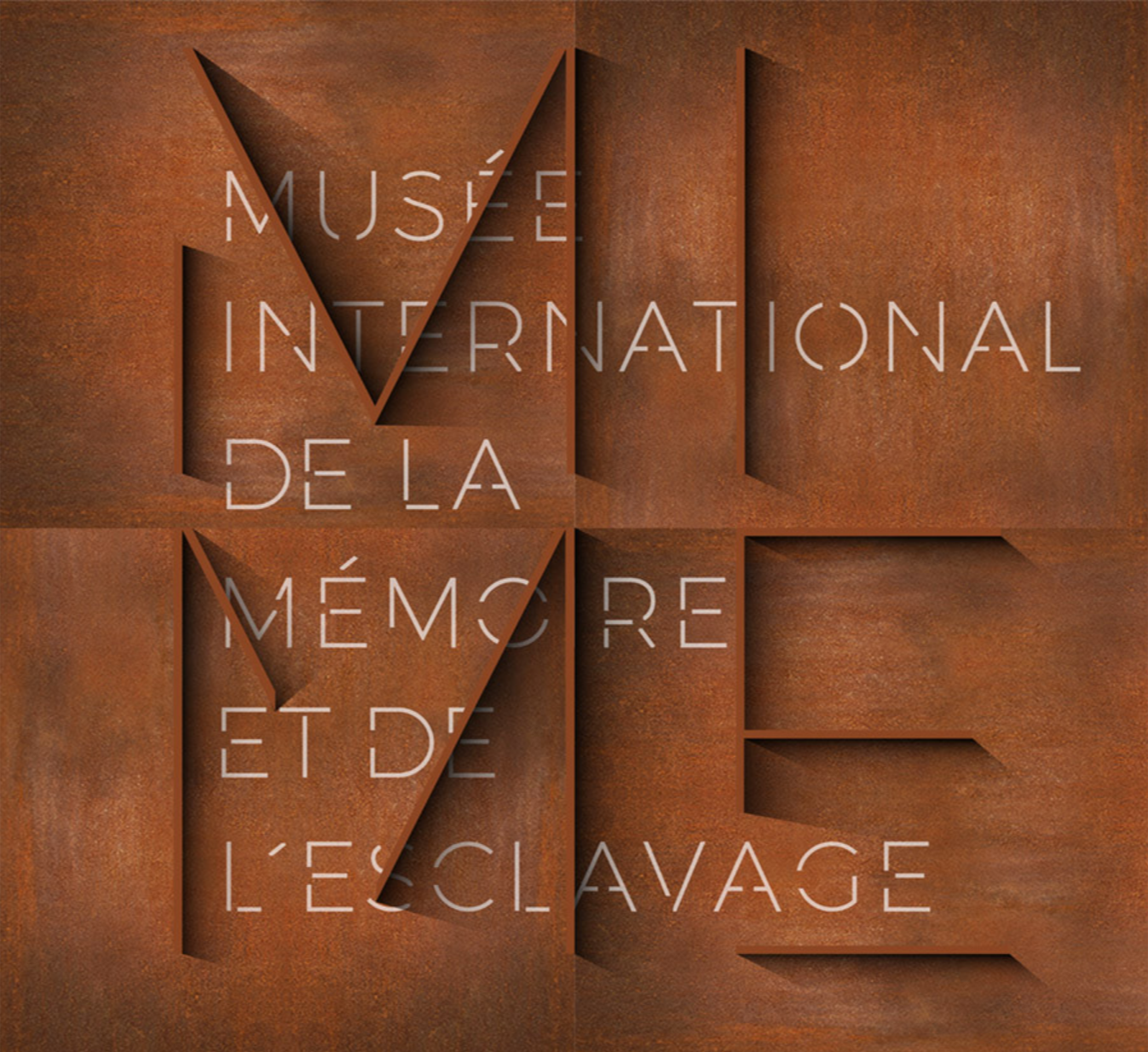
In Ouidah, the MIME project — the International Museum of Memory and Slavery — is not just a cultural facility. It is a test of historical maturity. The city already has monuments, the Slave Route, the Gate of No Return, rituals, and stories. What is still missing is a place that can gather all of that without reducing it.
A museum is not enough if the frame is weak
The MIME's challenge is not only curatorial. It is architectural, urban, and moral. A museum on the slave trade cannot be an isolated object, dropped beside a road like a tourist marker.
It must speak with the renewed Slave Route, with the beach, with the Vodun Days, with the convents, and with diasporic return spaces. In other words: it must sit inside a constellation, not a bubble.
Placing it in the former Souza residence reinforces that need for continuity. You do not enter MIME to close a history. You enter it to open that history properly.
Why Ouidah needs a museum of global scale
Ouidah is not a local site with only national reach. It is an Atlantic node. Millions of lives crossed here through the violence of the trade. Millions of descendants now come looking for orientation. The museum has to match that geography.
A small exhibition room, however well meaning, will not be enough. MIME must hold research, archives, oral history, temporary exhibitions, school education, diaspora descendants, and memorial ceremonies. It needs spaces where people can learn, and places where people can be silent.
"If the route is the body of memory, the museum must be its breath." — Cultural historian, Ouidah
The question of proximity
One common mistake in large heritage projects is to create distance. Buildings become impressive but inaccessible. They protect the object and lose the relationship.
In Ouidah, proximity matters. Residents must be able to claim the museum without feeling excluded from it. Visitors must understand that slavery is not an abstract historical topic; it is a fabric of families, places, losses, and survivals.
The MIME therefore cannot be only monumental. It must be readable. It must be walkable. It must allow a student from Cotonou, a grandmother from Bahia, and a researcher from Dakar to leave with something true, even if they arrive with different histories.
Architecture as political act
Building a museum on slavery is a national vocabulary choice. Should it soften? Should it monumentalize? Should it contextualize? Should it show fracture without turning it into decoration?
Those answers are not technical alone. They determine public memory. That is why MIME matters so much: it will show how Benin tells itself to the world.
The project belongs to the same momentum as the Ouidah 2027 plan: turning the city into a place where tourism does not overwrite memory but rests on it.
What the future museum should make possible
The success of MIME will not be measured only by visitor numbers. It will be measured by the quality of the questions it produces.
A strong memory museum must leave room for discomfort. It must explain without oversimplifying. It must honor the ancestors without turning their suffering into scenery. It must also, and above all, help young people in Ouidah understand that their city is not just a place others visit: it is a source of historical intelligence.
When it opens fully, MIME should complete the beach, the route, and the ceremonies. It will then become a reference point for anyone trying to understand why Ouidah has become one of the most important places in Atlantic memory.
To continue the thread, revisit our article on the Slave Route rehabilitation and our analysis of Ouidah's 2027 transformation.
Restitution 2.0
Ouidah Origins is more than a travel resource; it is an infrastructure for memory. Read our manifesto on why we believe the Slave Route is not a tourist attraction.
Read the Manifesto- The MIME must function as a place of knowledge, reflection, and transmission
- In Ouidah, museum architecture becomes a political and memorial act