 LoadingLoadingLoading
On August 23, 2026, the commemoration of the transatlantic slave trade in Ouidah went beyond symbolism with strong legal acts: the granting of Beninese nationality and the memorial march towards the Door of Return.
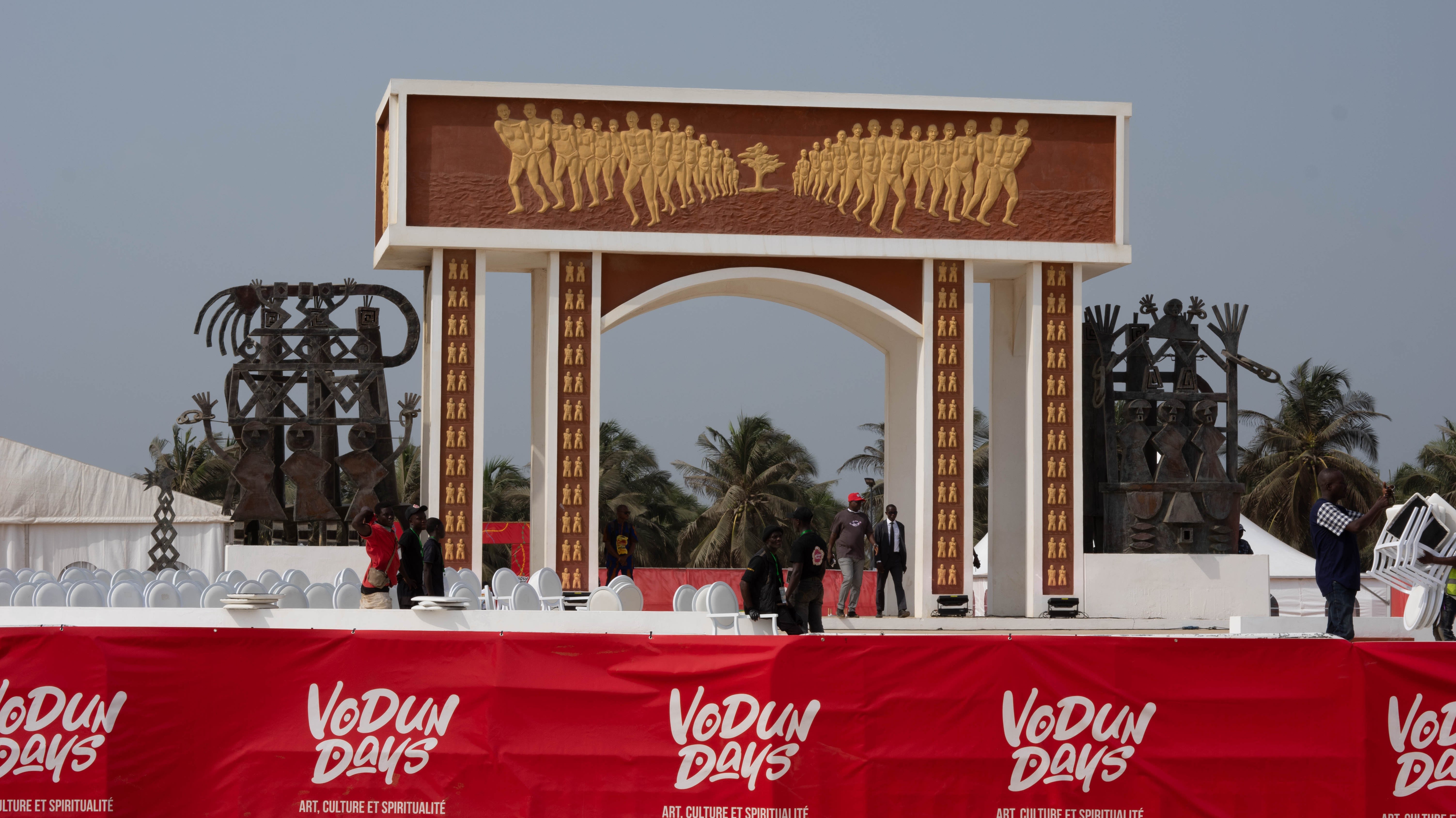
At the end of the Slave Route, the Door of No Return marks the beach where more than a million captives were shipped out of Ouidah. First unveiled in 1995, the memorial was completely rebuilt in late 2025.
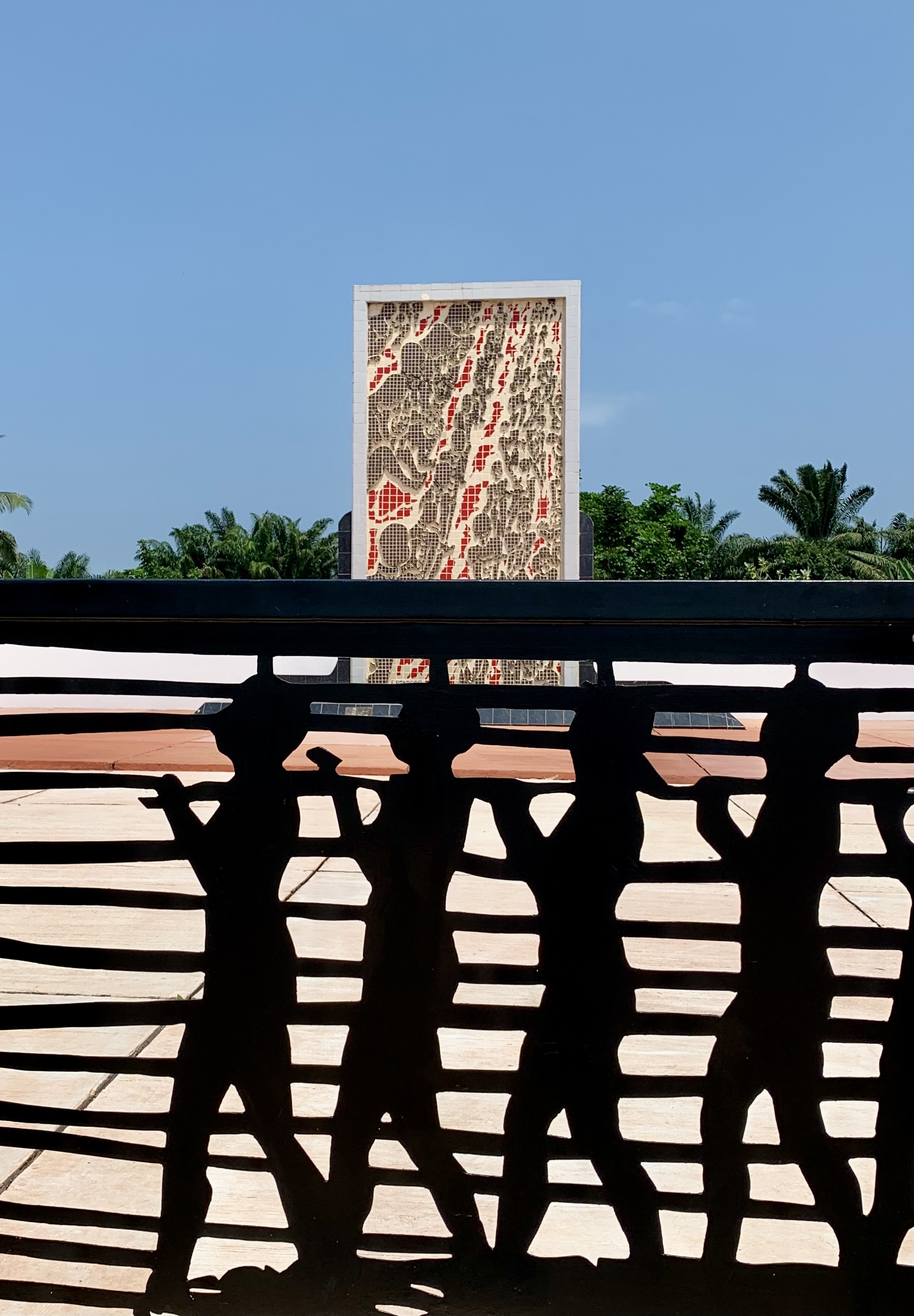
Ouidah's Slave Route links the old auction square to the beach where captives were shipped out. Created between 1992 and 1995, the six-station route blends documented history, oral tradition and some thirty artworks.
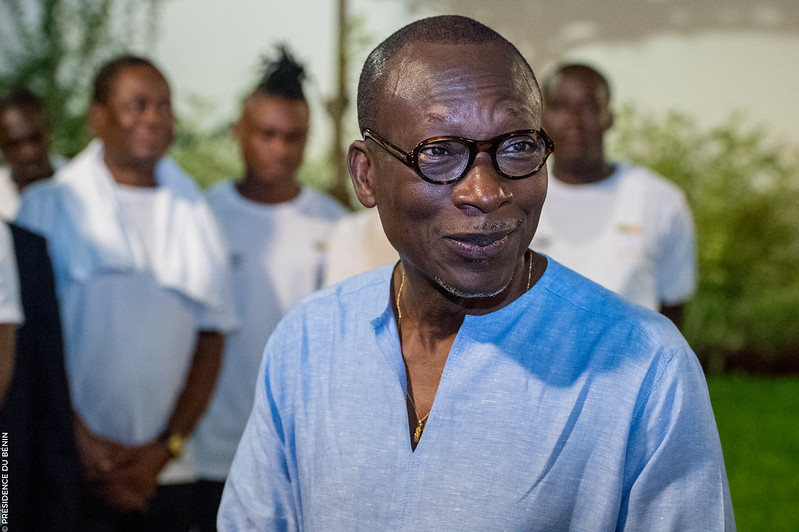
From the 26 royal treasures to the MIME, Patrice Talon transformed Ouidah. A deep, personal witness account from inside the Effet Graff dinner to the beaches of Djègbadji.
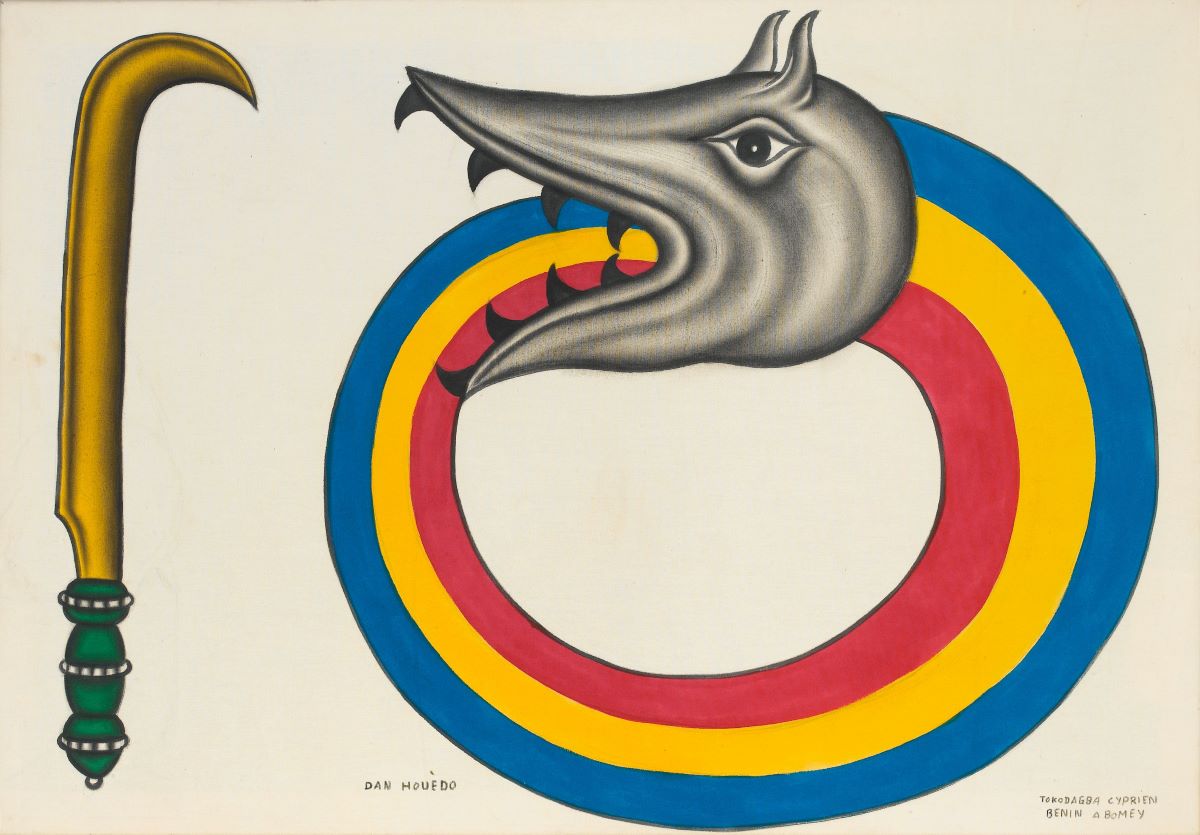
At the heart of Vodun heritage, the Tokoudagba dynasty weaves a deep connection between Abomey and Ouidah, where art transcends time and space.
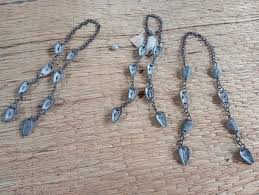
Fa is Benin's great divination system: 256 signs, thousands of stories learned by heart, and a diviner, the bokonon, who connects them to your question. Here is how it works, where it comes from and how to consult it.
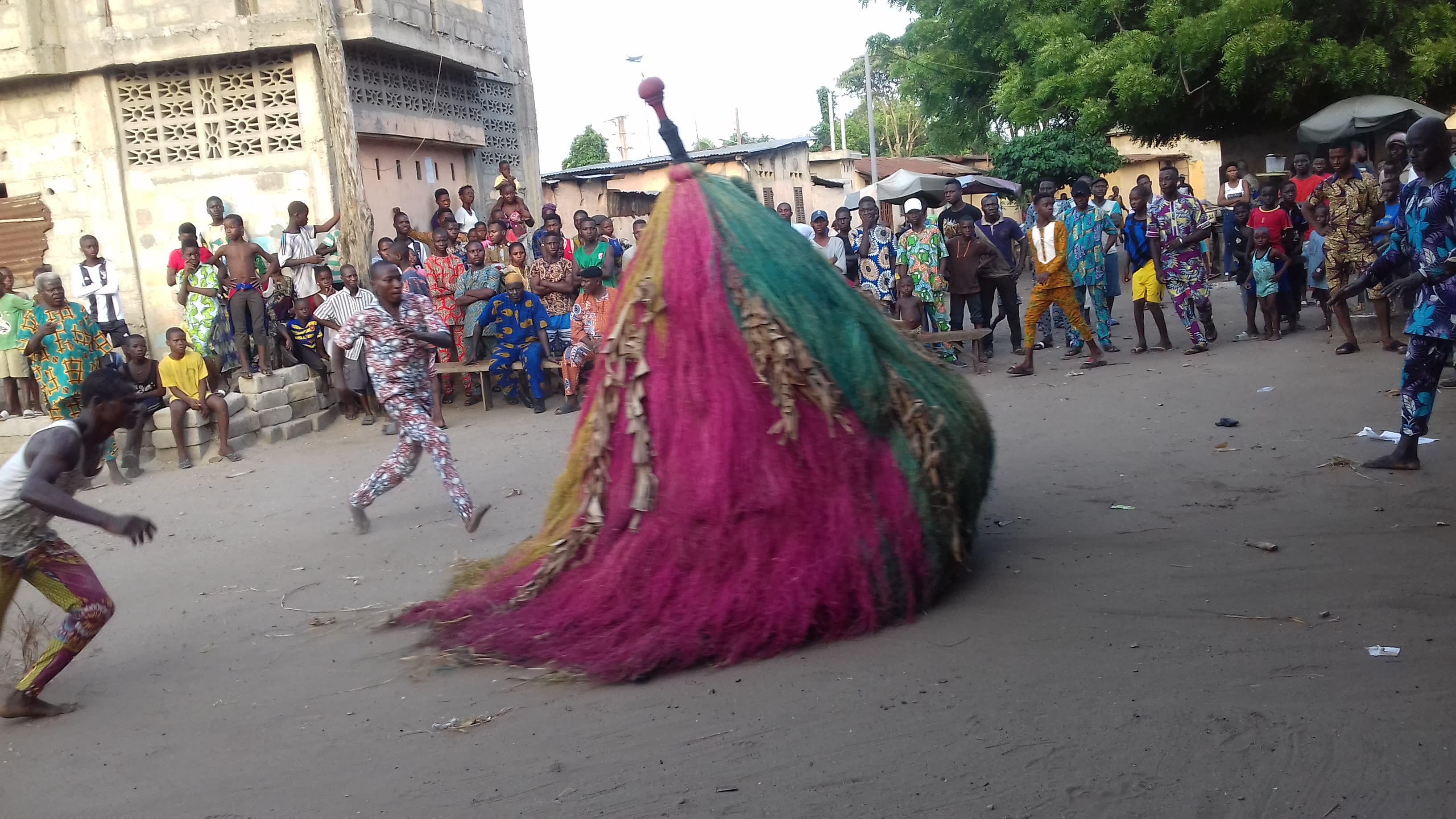
Tall stacks of raffia that spin on the spot, the Zangbeto are the night guardians of the Gun people. Their history, their role, their secrets, and the best times to see them in Ouidah.
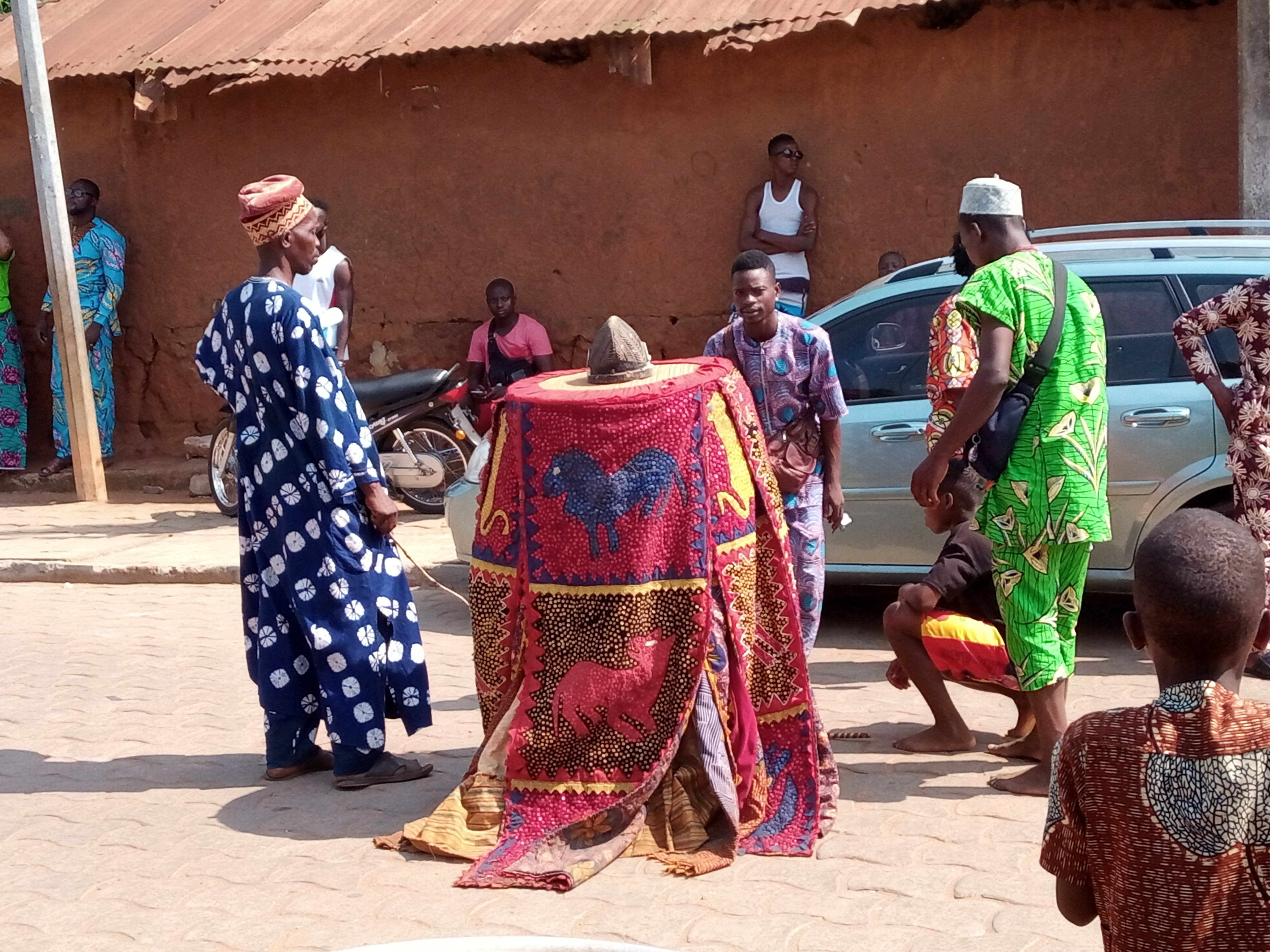
The Egungun are ancestors who come back to dance among the living, hidden under layers of cloth. A Yoruba tradition from Oyo, alive in Ouidah and still practiced on the island of Itaparica in Brazil.
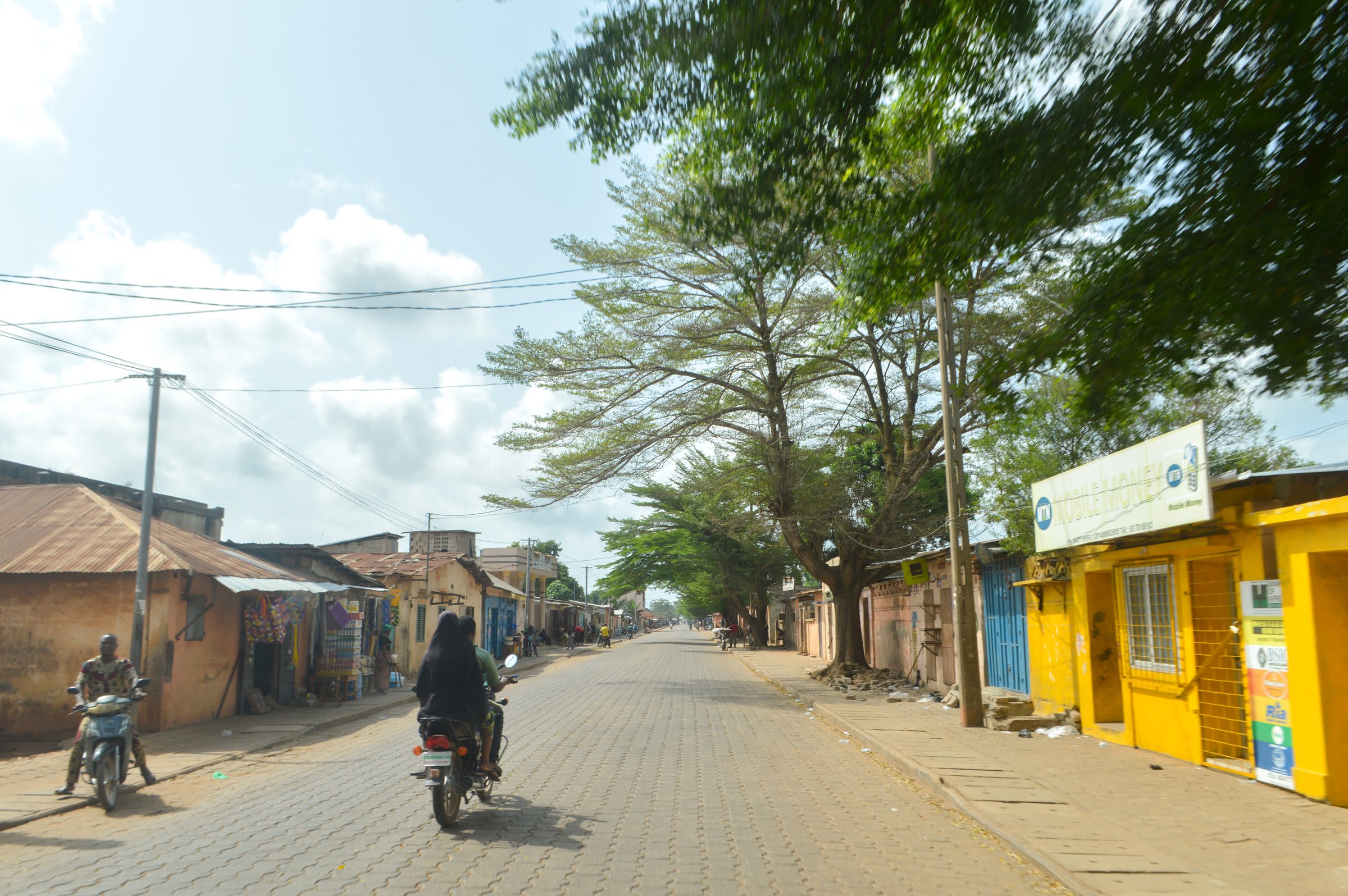
The Aguda are descendants of freed slaves who returned from Brazil to the coast their ancestors had been shipped from. Their history, their neighborhoods, and the architecture they left behind in Ouidah.
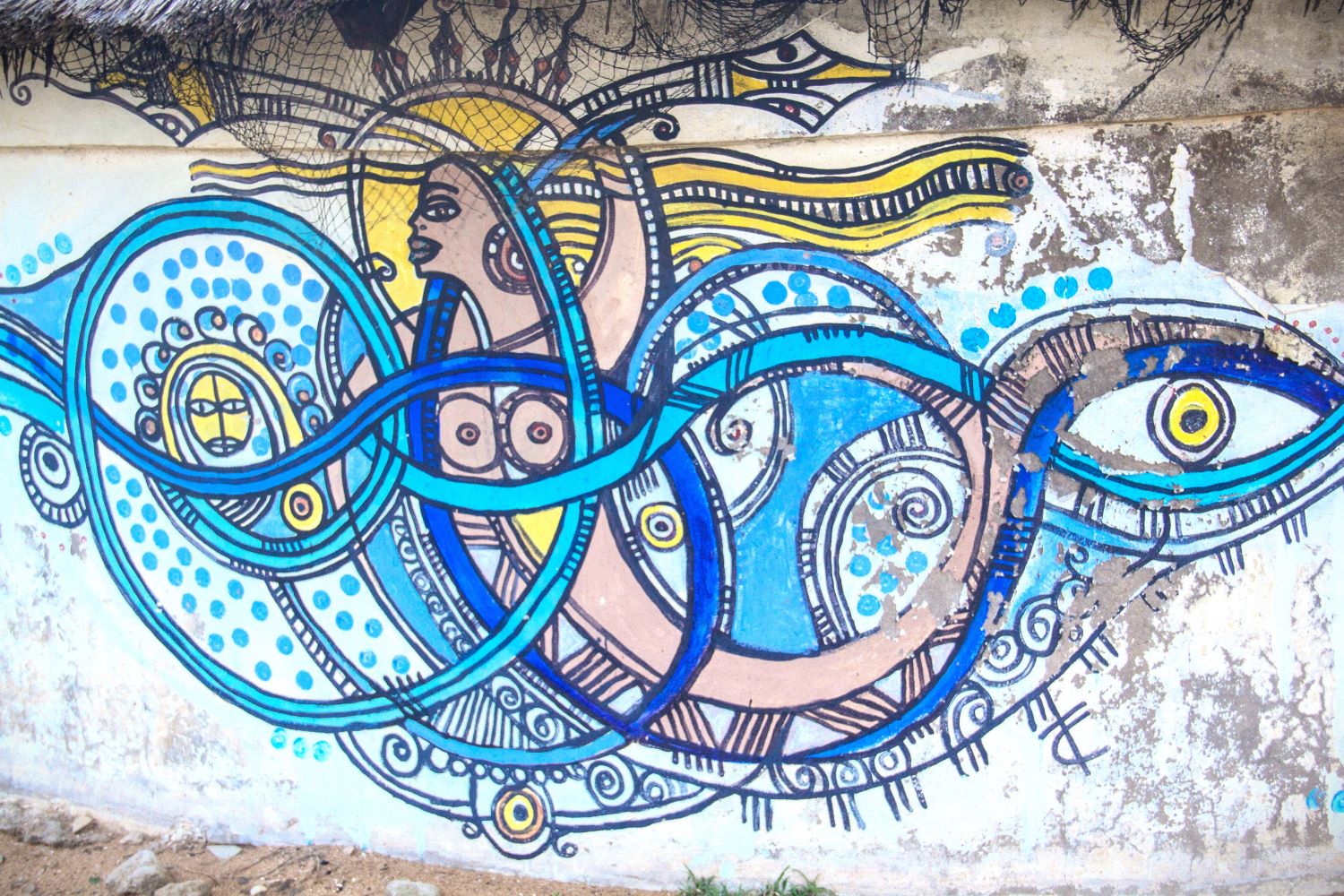
Mami Wata, "Mother Water," is honored along the West African coast for wealth, beauty and healing. In Ouidah she has a temple on the beach and a convent in town. Her best-known image, though, has a very unexpected past.
In the nineteenth century, thousands of Afro-Brazilians crossed the Atlantic in reverse — back to the West African coast. They brought Portuguese, Catholicism, Brazilian architecture and surnames that still mark Ouidah today. The Agudás are one of the Atlantic's most forgotten stories.
Ouidah's Slave Route memorial represents a convergence of memories, revealing the complexities of slavery's legacy. This exploration unveils its multifaceted significance.
The fight for the return of cultural objects from Africa raises essential questions about identity and collective memory. Ouidah, a symbol of this resilience, is at the center of this debate.
Far from being mere attractions, the memory sites in Ouidah are witnesses to a poignant history, where vodun and memory intertwine.

The amulets of the Amazons of Ouidah transcend their status as museum artifacts. They testify to a struggle for restitution and an identity renaissance.
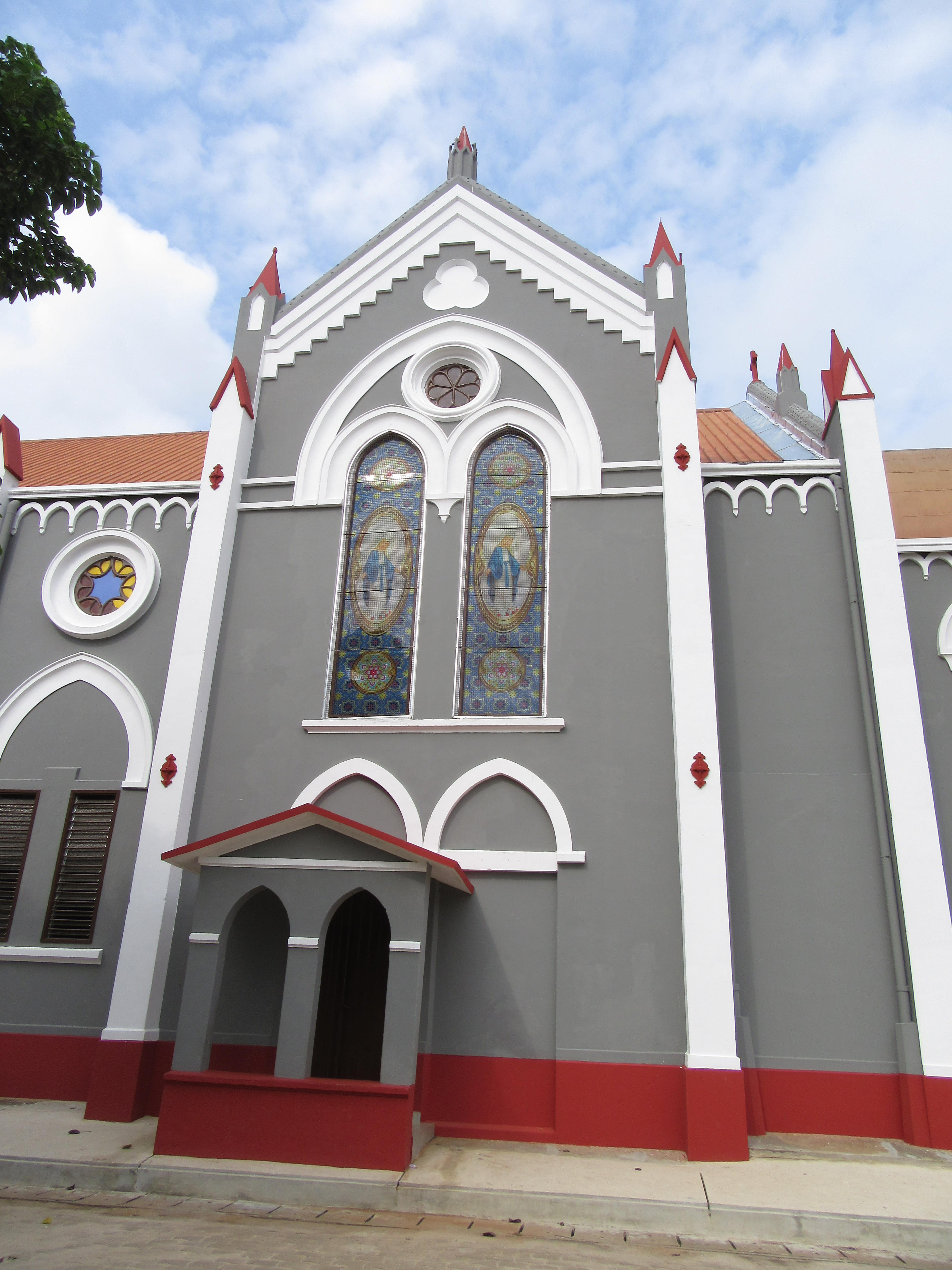
Facing the Python Temple, the Basilica of the Immaculate Conception is Ouidah's most striking Catholic building. Its history, its 1903-1909 construction, and what its location says about the town.
Vodun Days turns Ouidah, every January, into the center of Benin's national Vodun festival. Its origins, how it unfolds, and how to attend respectfully.
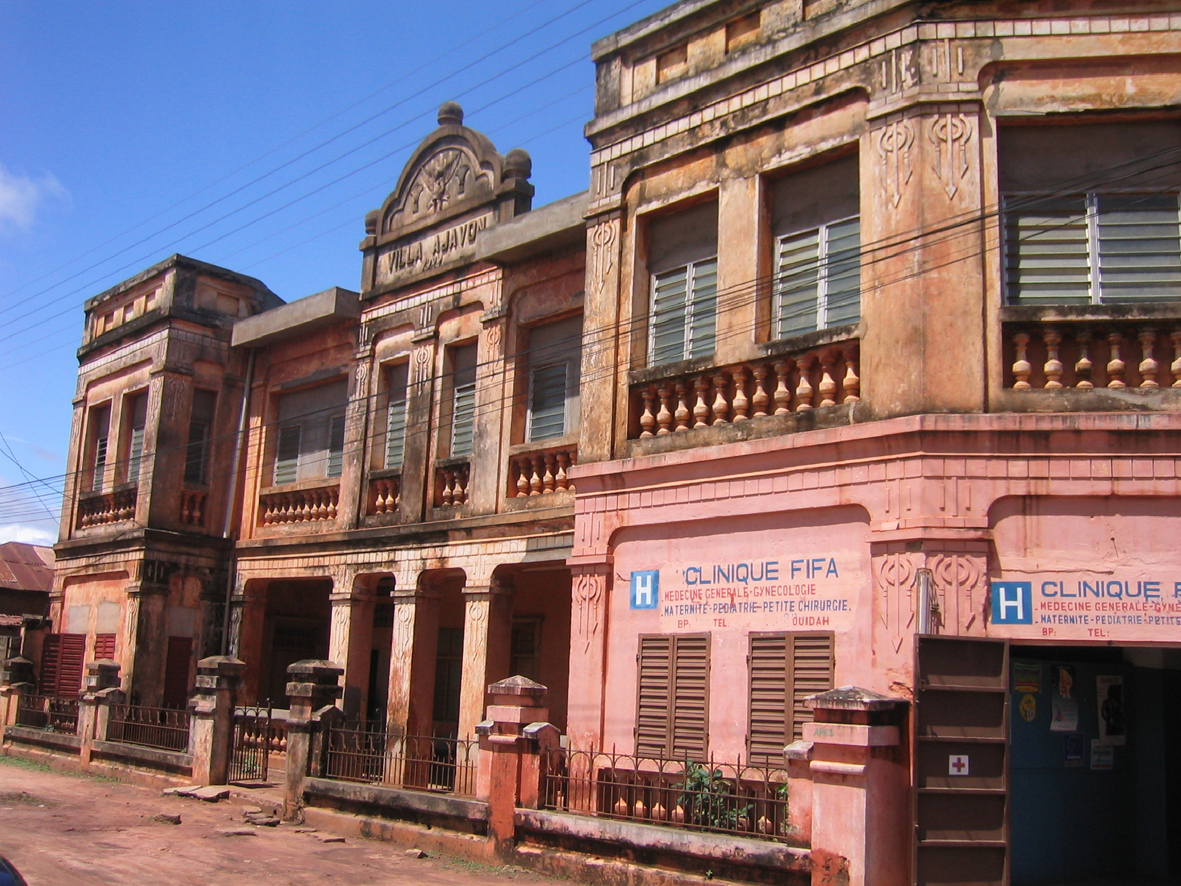
In Ouidah, Brazilian heritage is not just sobrado facades. It lives in the food, the language, the carnival, the family names. What the Aguda really brought back from Brazil.
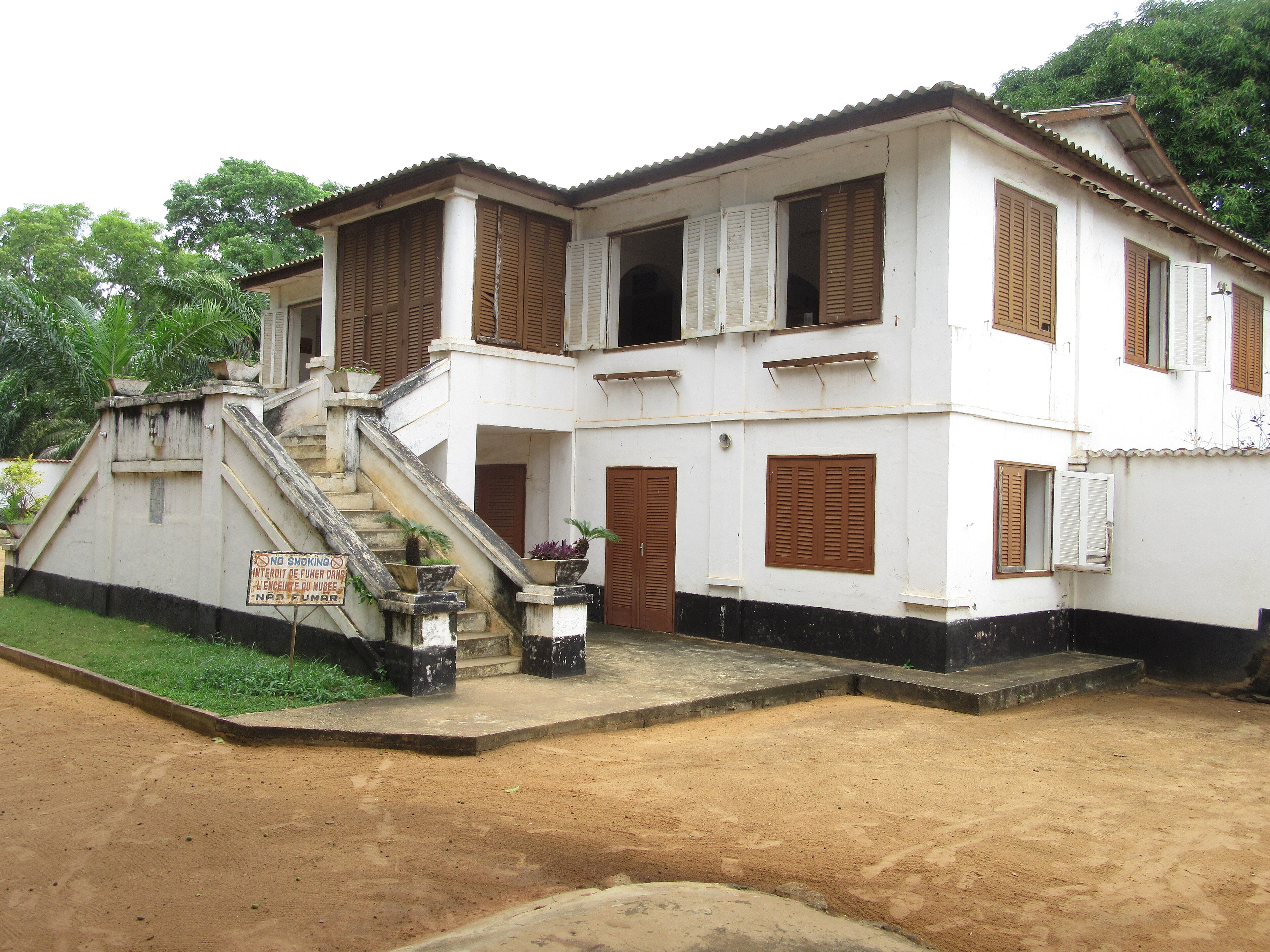
Fort São João Baptista de Ajudá was founded in 1721 by a merchant from Bahia. Portugal's last enclave on the Bight of Benin, annexed in 1961, it has housed Ouidah's history museum since 1967 and is set to become the MIME.
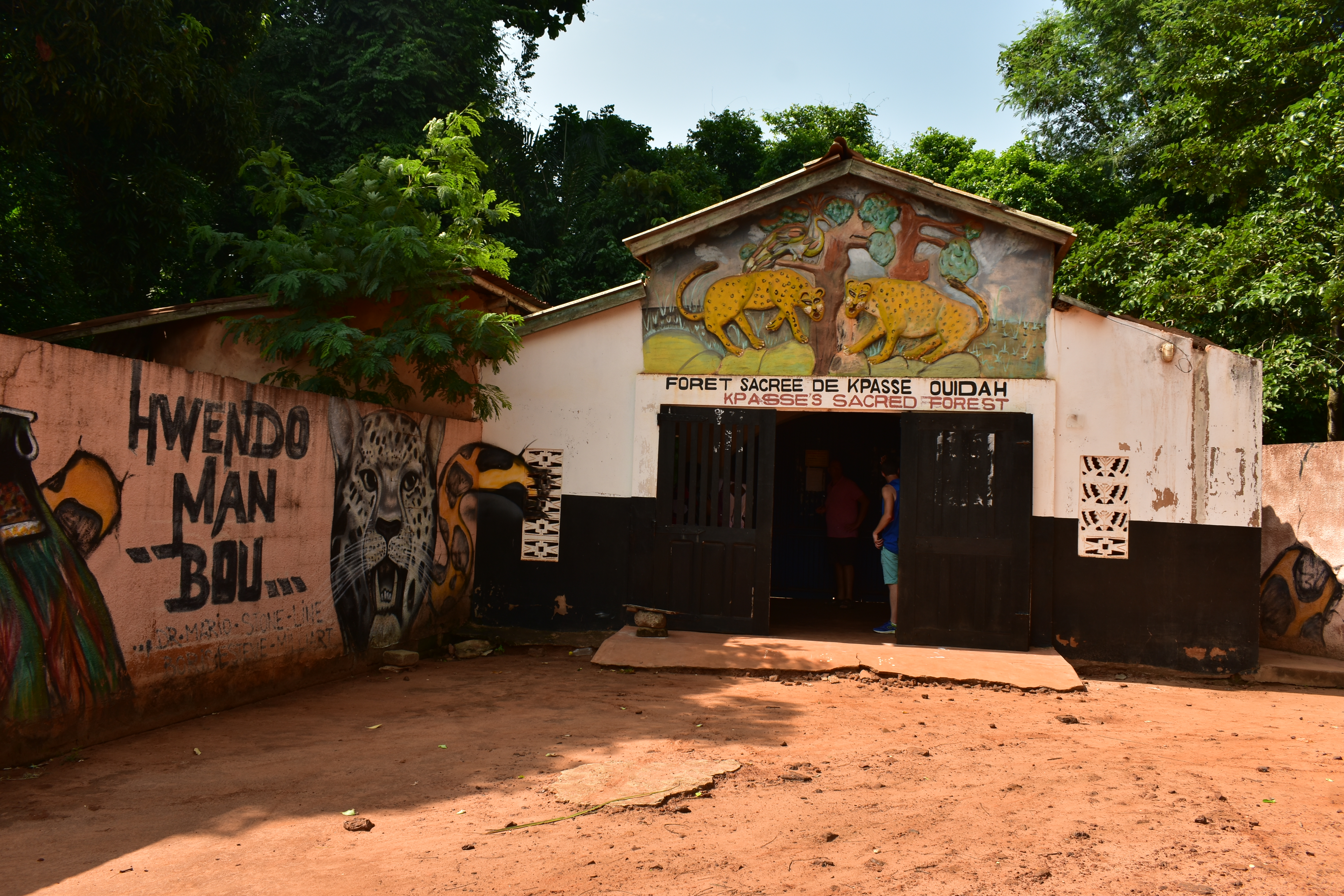
At the heart of Ouidah, the Sacred Forest of Kpassè holds a centuries-old iroko tree, statues of Vodun deities, and a royal legend. What the history actually says, and how to visit.