OuidahLoading
Heritage


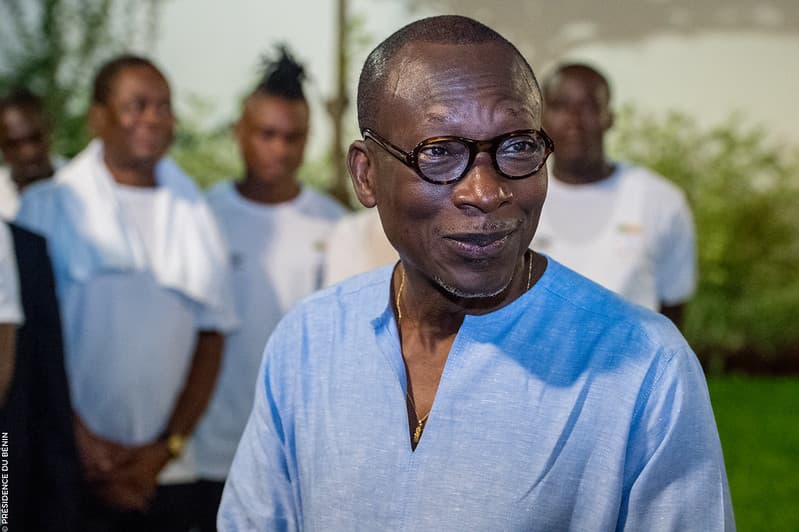
From the 26 royal treasures to the MIME, Patrice Talon transformed Ouidah. A deep, personal witness account from inside the Effet Graff dinner to the beaches of Djègbadji.
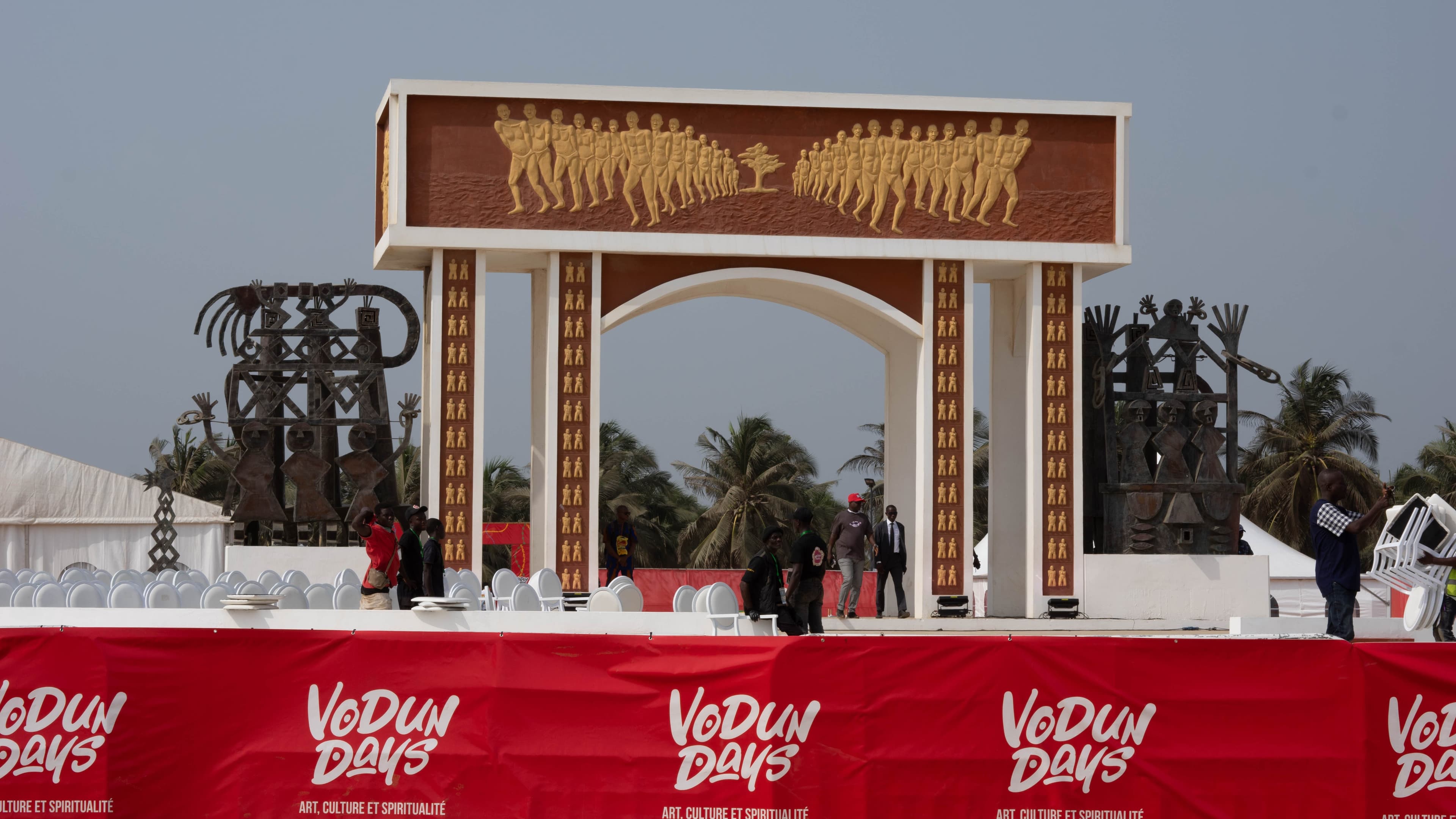
In Ouidah, the door of no return is much more than a simple monument. It embodies the last steps of a million Africans, marking a pain that still lingers.
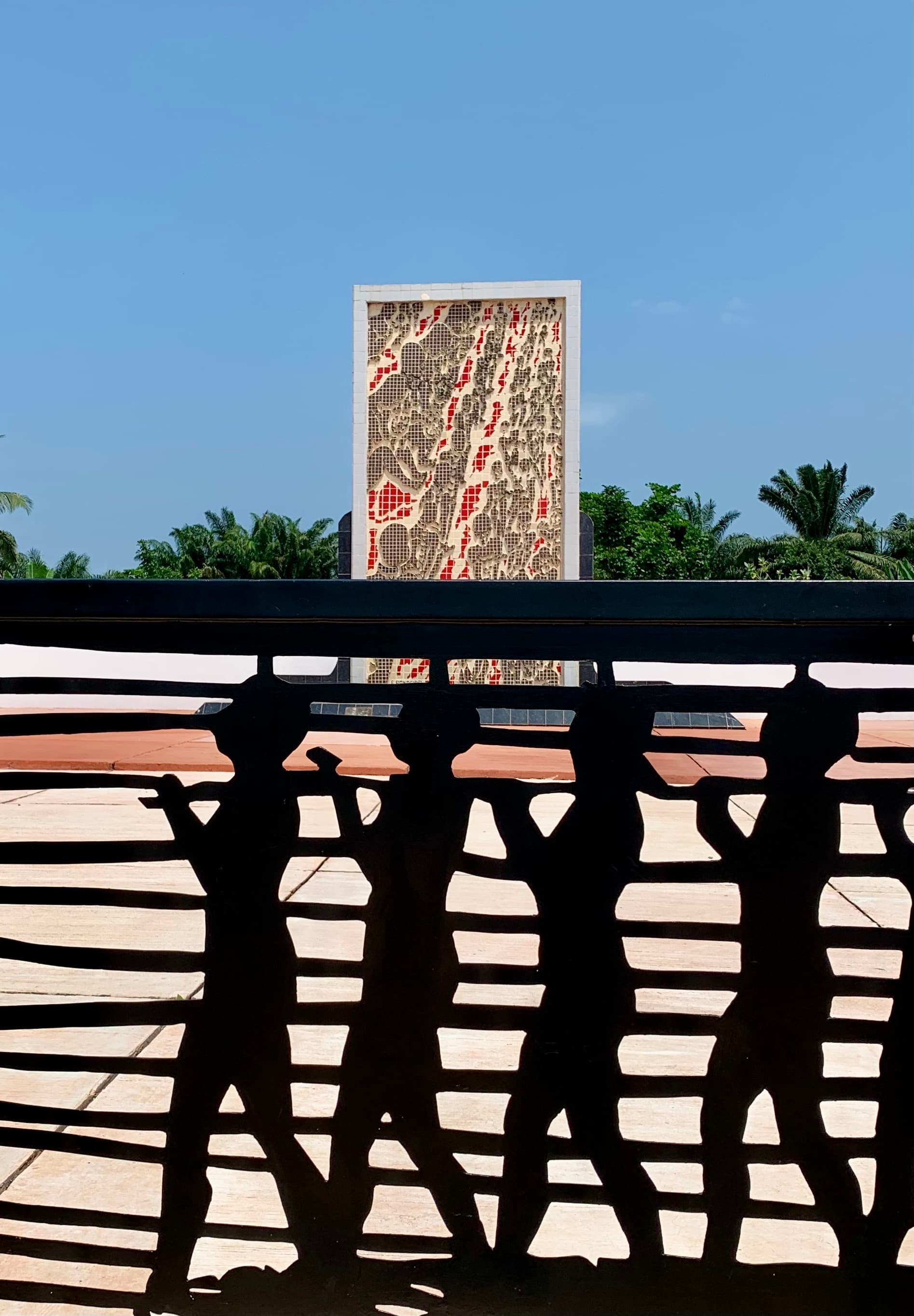
At Place Chacha, the Slave Route reveals its history. This is not just a path; it's a journey of remembrance, echoing the footsteps of those who walked in chains.
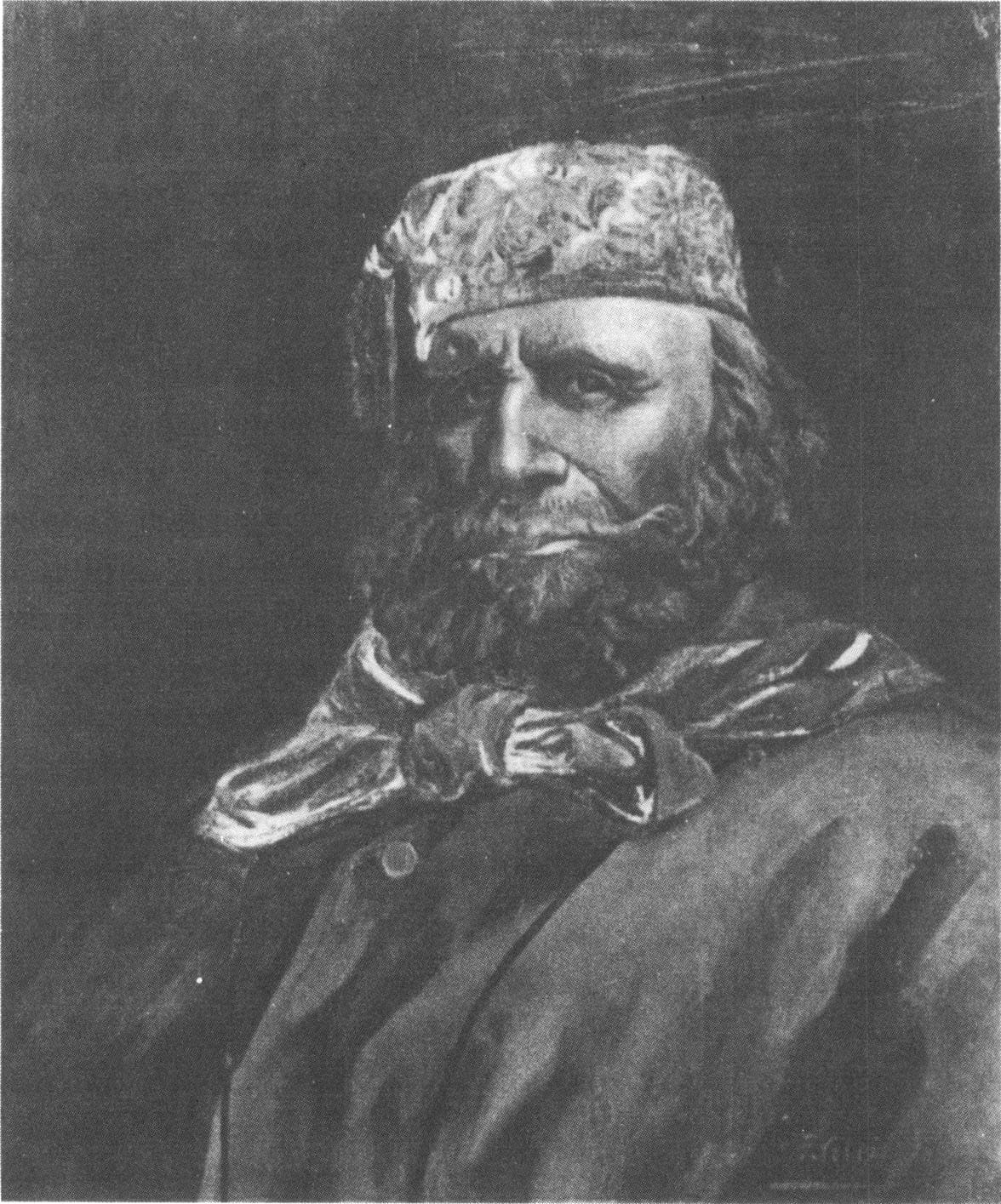
In Ouidah's heart lies Place Chacha, named after Francisco Félix de Souza, a slave trader whose legacy challenges simple narratives of history. His descendants remain, and his impact is palpable.
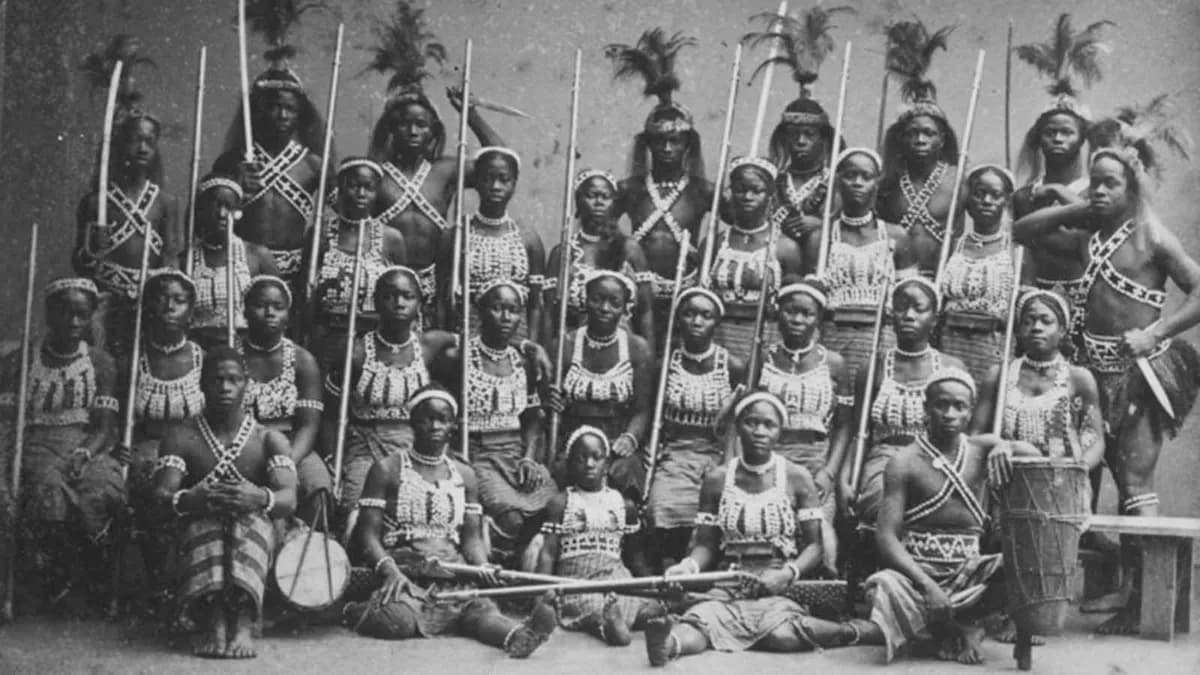
Encountering the Agojie in 1892, the French Foreign Legion met a formidable force. These women were not just warriors; they were a documented army that defied norms and shaped history.
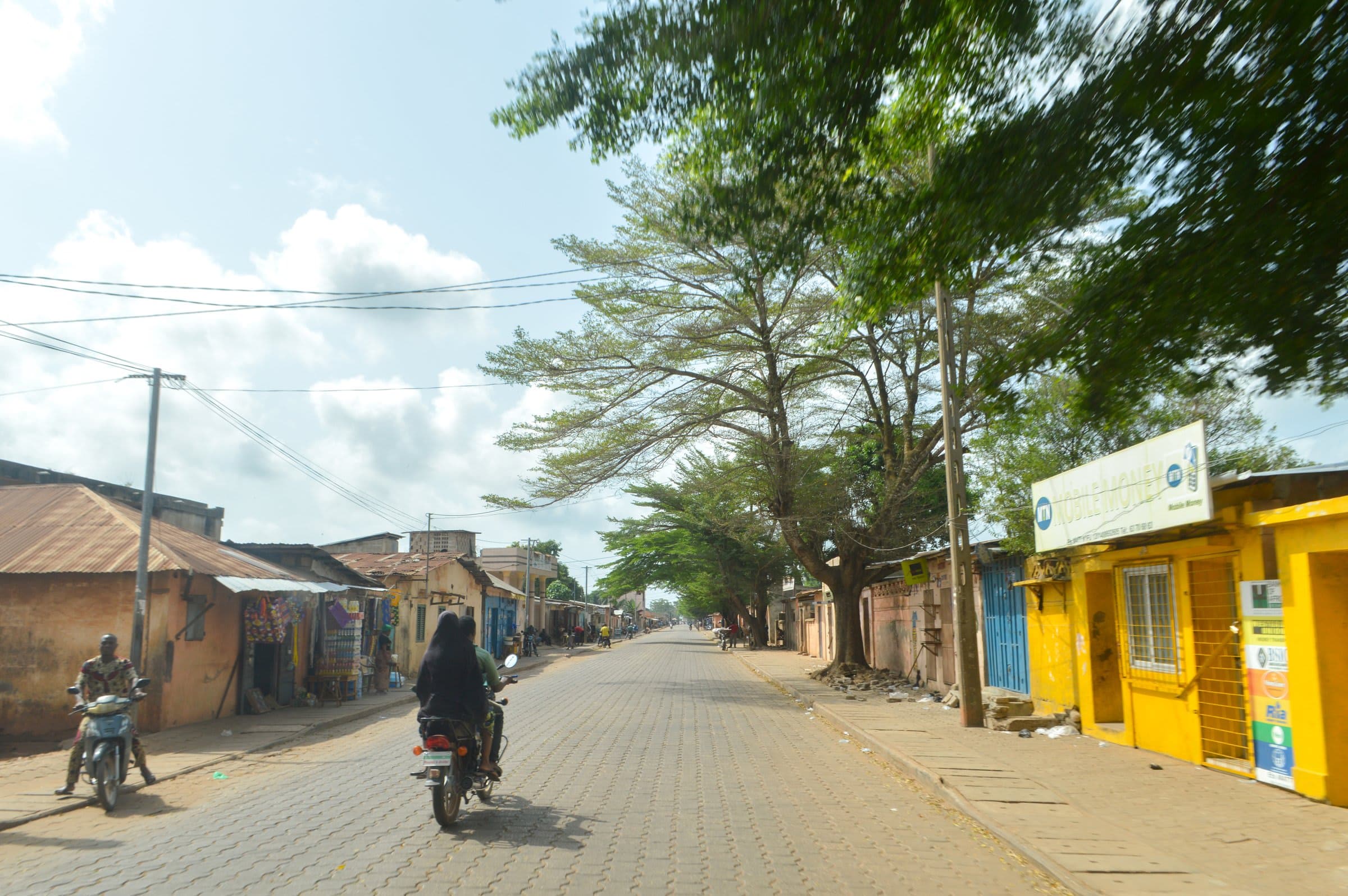
In the Singbomey neighborhood of Ouidah, descendants of freed Africans share a story of return and rebirth. The Aguda community has redefined the city, blending culture and heritage.
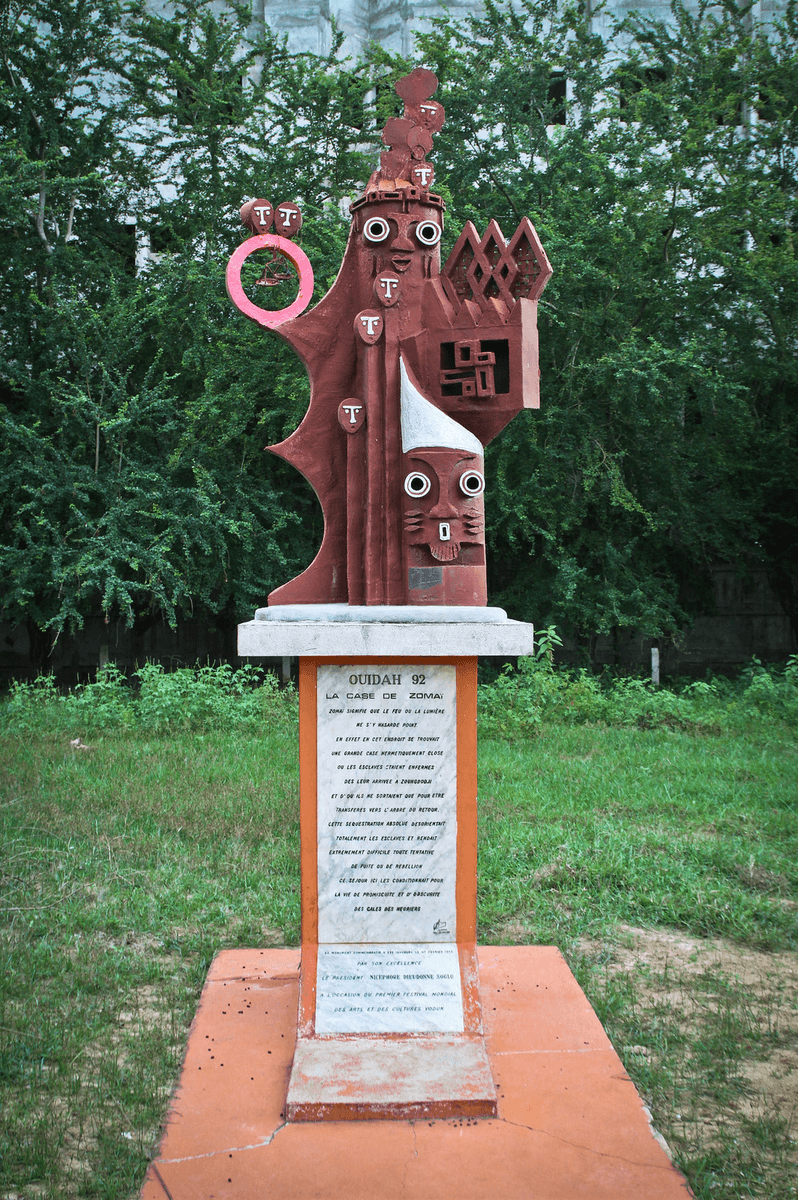
At the heart of the slave route, the Zomai Enclosure stands out for its lack of narrative. This place, in silence, evokes an unrelenting erasure technology, revealing the depths of oblivion.
In the nineteenth century, thousands of Afro-Brazilians crossed the Atlantic in reverse — back to the West African coast. They brought Portuguese, Catholicism, Brazilian architecture and surnames that still mark Ouidah today. The Agudás are one of the Atlantic's most forgotten stories.
Ouidah's Slave Route memorial represents a convergence of memories, revealing the complexities of slavery's legacy. This exploration unveils its multifaceted significance.
The fight for the return of cultural objects from Africa raises essential questions about identity and collective memory. Ouidah, a symbol of this resilience, is at the center of this debate.
Far from being mere attractions, the memory sites in Ouidah are witnesses to a poignant history, where vodun and memory intertwine.

The amulets of the Amazons of Ouidah transcend their status as museum artifacts. They testify to a struggle for restitution and an identity renaissance.
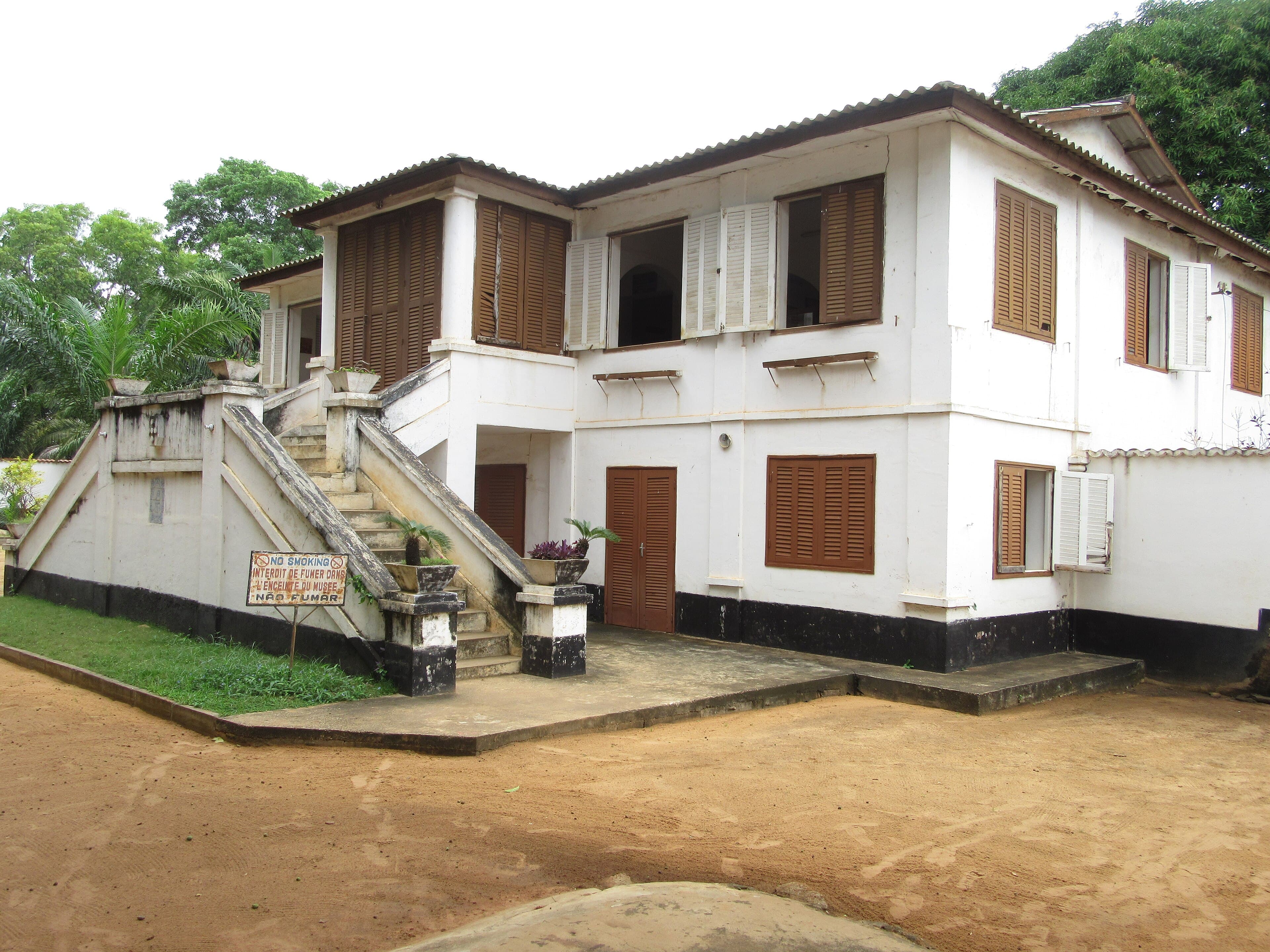
Entering the gates of the Portuguese Fort immerses you in a unique space of the slave trade history, where past and memory intertwine.
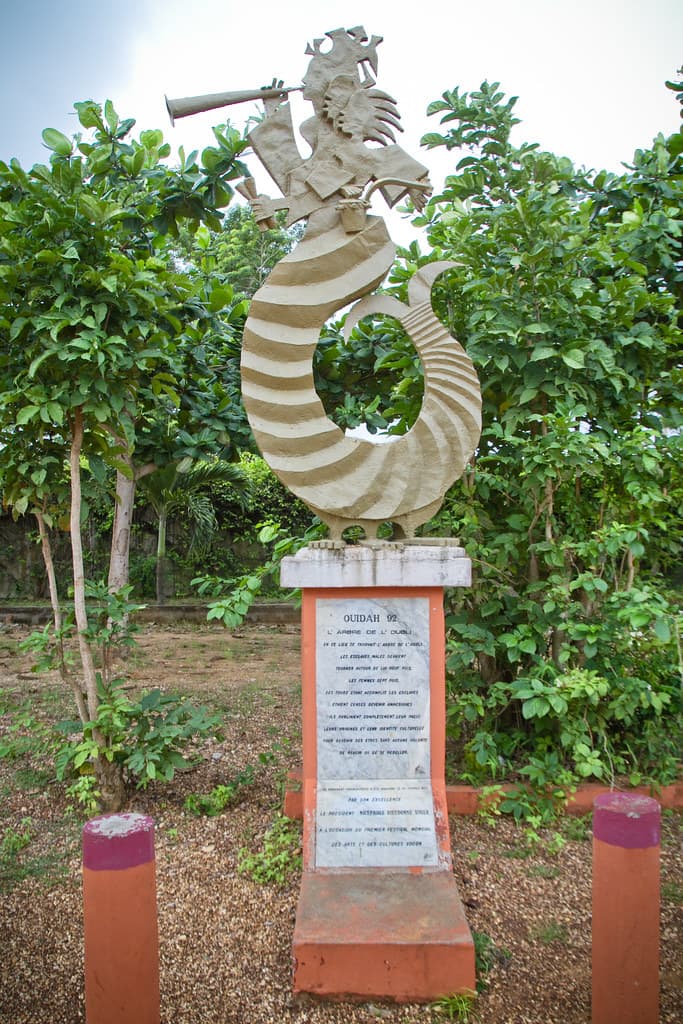
At first glance, the Tree of Forgetfulness seems harmless. But this is where a systematic attempt to erase identities has failed. The memory of ancestors endures.