OuidahLoading
Heritage

Being invited to a vodun ceremony is an honor. Your behavior can influence the perception of future visitors. Discover the essential rules of vodun ceremony etiquette — from offerings to silence.
In Ouidah, the Fa Oracle is not limited to divination. It is a complete knowledge system, a system of medicine and cosmology, recognized by UNESCO.
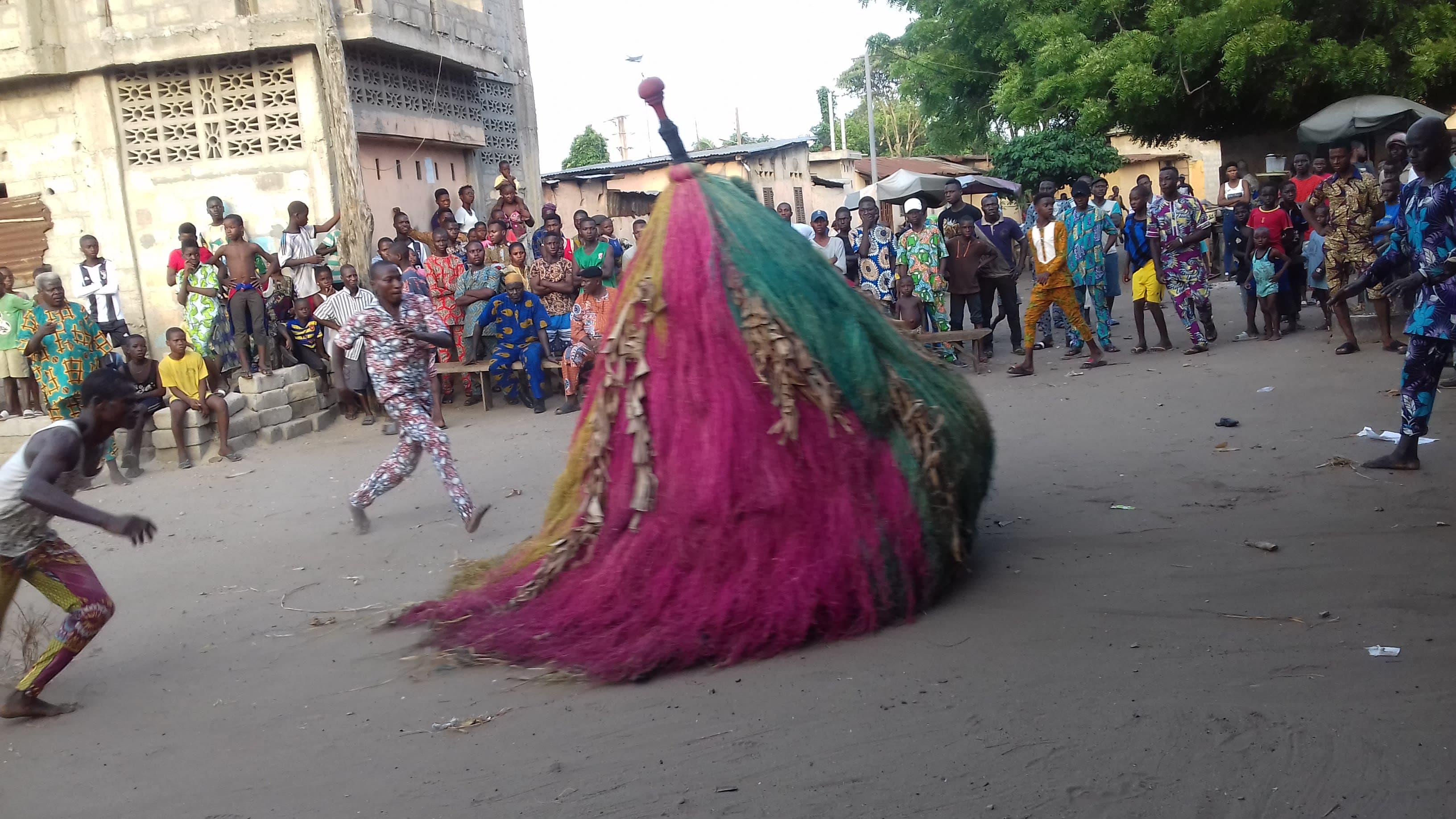
As night descends on Ouidah, the Zangbeto emerge, enigmatic figures of justice and mystery. What secrets do these Vodun entities hold?
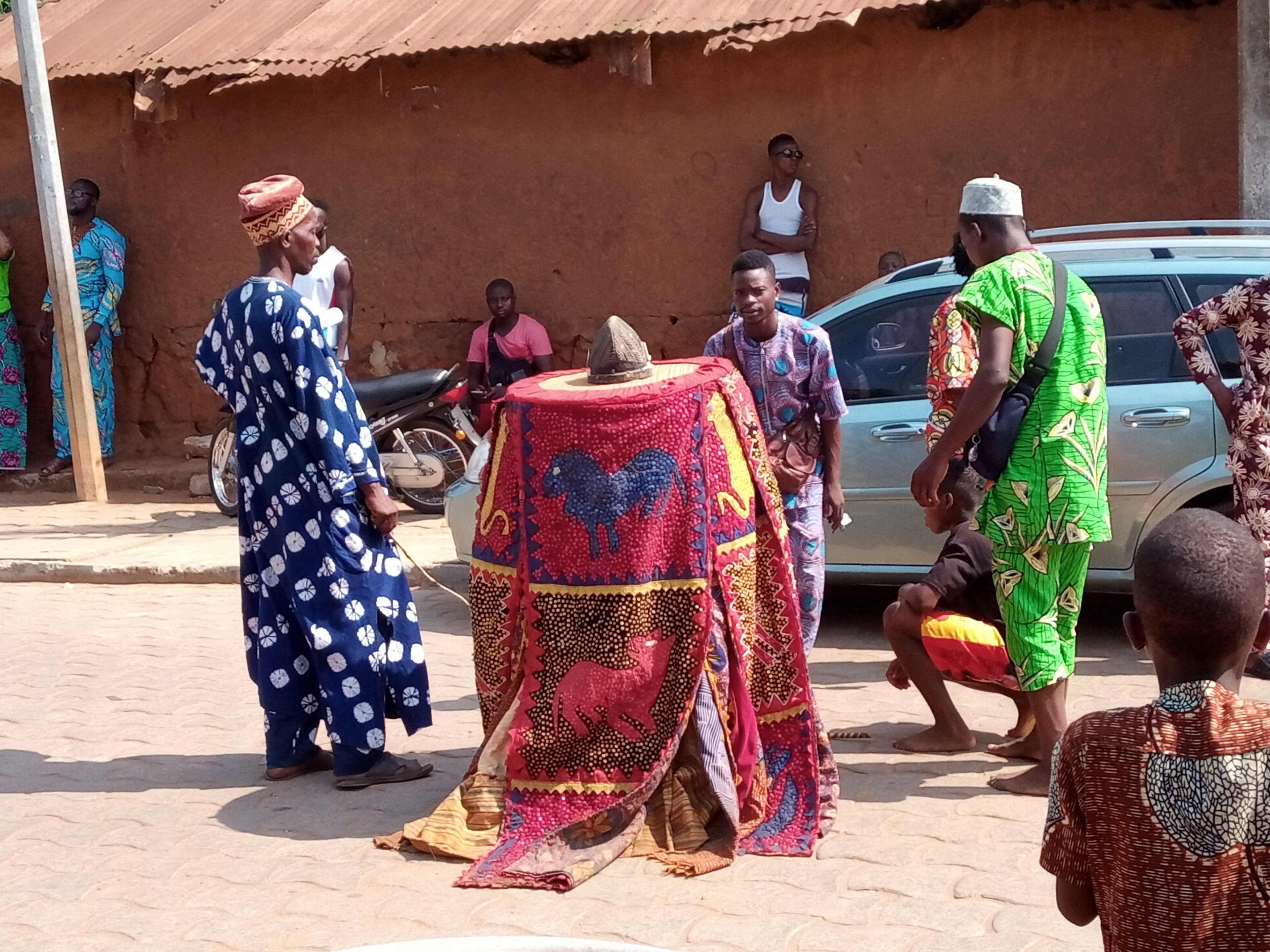
In the shadowy interplay of sound and sight, the Egungun emerge — not as performers, but as vessels for ancestral spirits. They defy understanding, inviting us to witness communion with the dead.
Vodun is not just a tourist attraction. It is a living spiritual system that requires preparation and respect for an authentic immersion.
Vodun is a profound spiritual system, misunderstood and often misrepresented. This guide unlocks its mysteries, inviting respectful exploration of its rich traditions and practices.
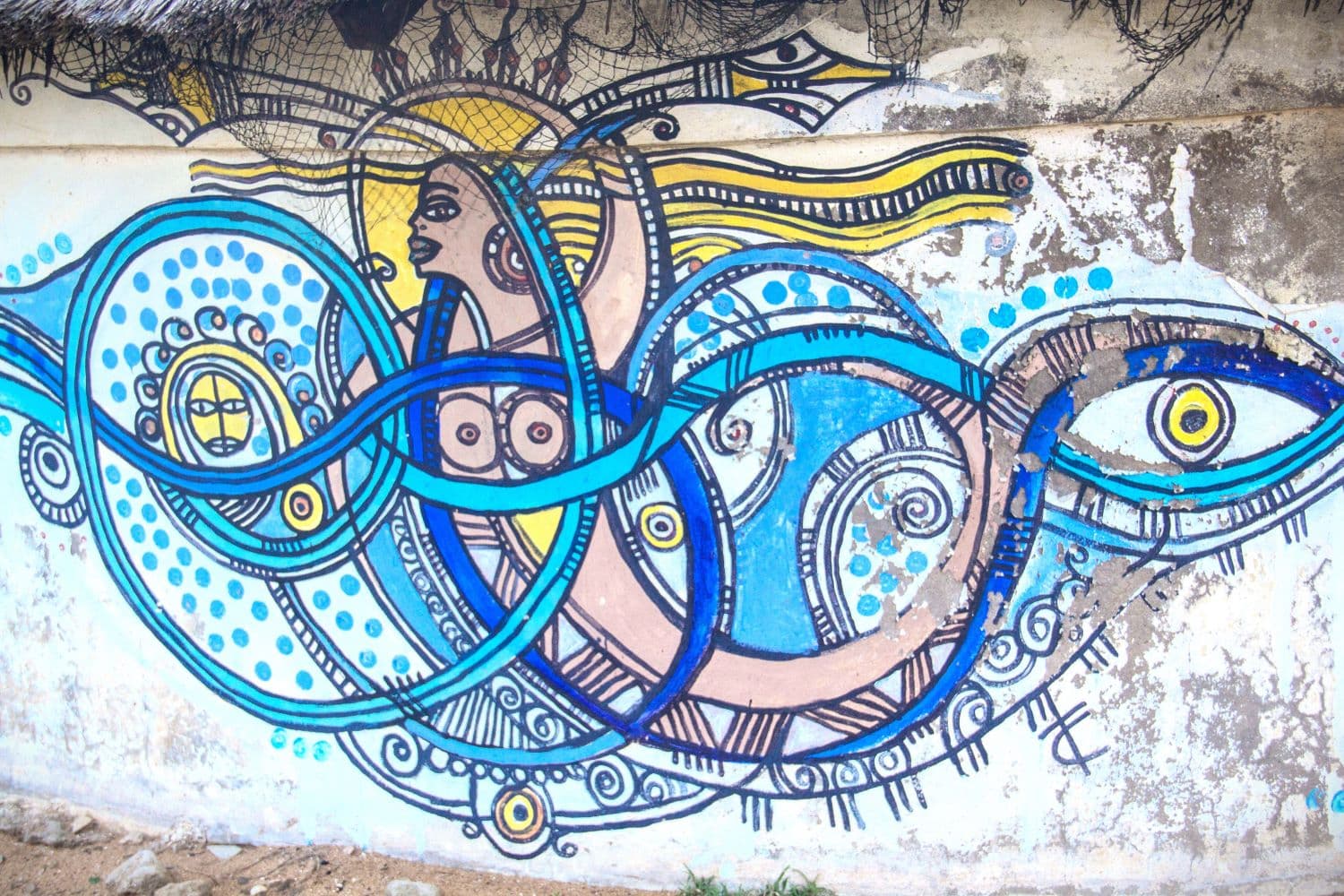
Mami Wata transcends local deity status; she embodies the Atlantic's spirit, connecting the past and present of the African diaspora. Her influence spans centuries and continents.
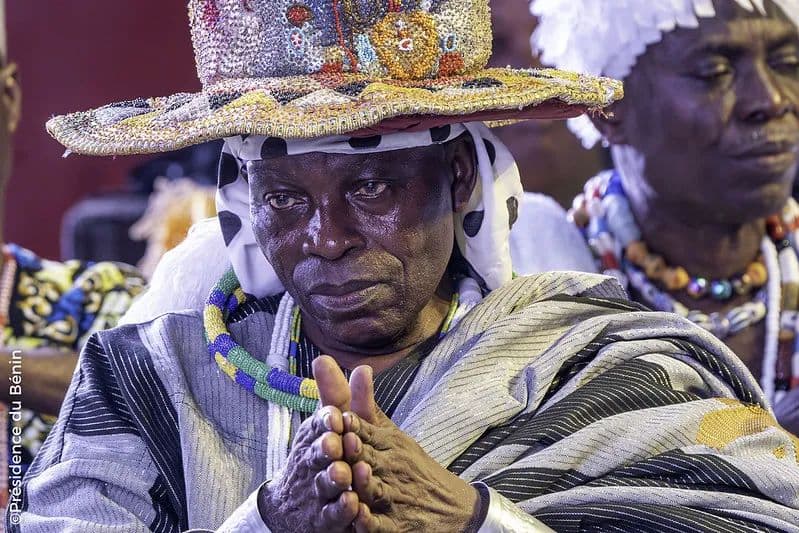
Every year on January 10th, during the Grand Vodun, Daagbo Hounon emerges in palpable veneration. This iconic figure embodies a centuries-old tradition rooted in Ouidah since 1452.
Every January, Ouidah transforms into the spiritual capital of Vodoun. A vibrant gathering where the gods come to life in the community, beyond just a festival.
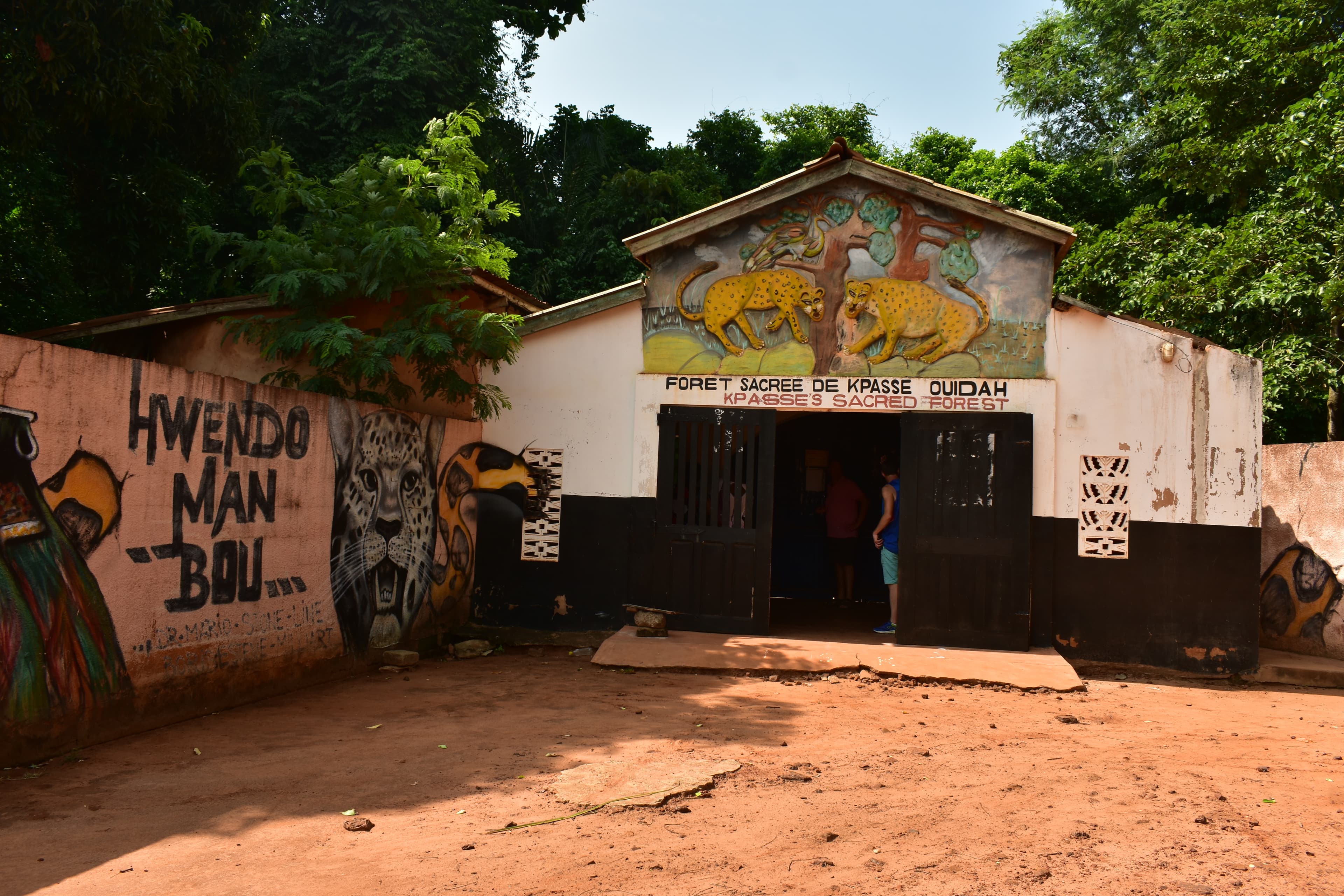
Entering the sacred forest of Kpassè reveals an ancient world. Each tree becomes a witness, each shadow a potential presence. This living sanctuary transcends time and space.
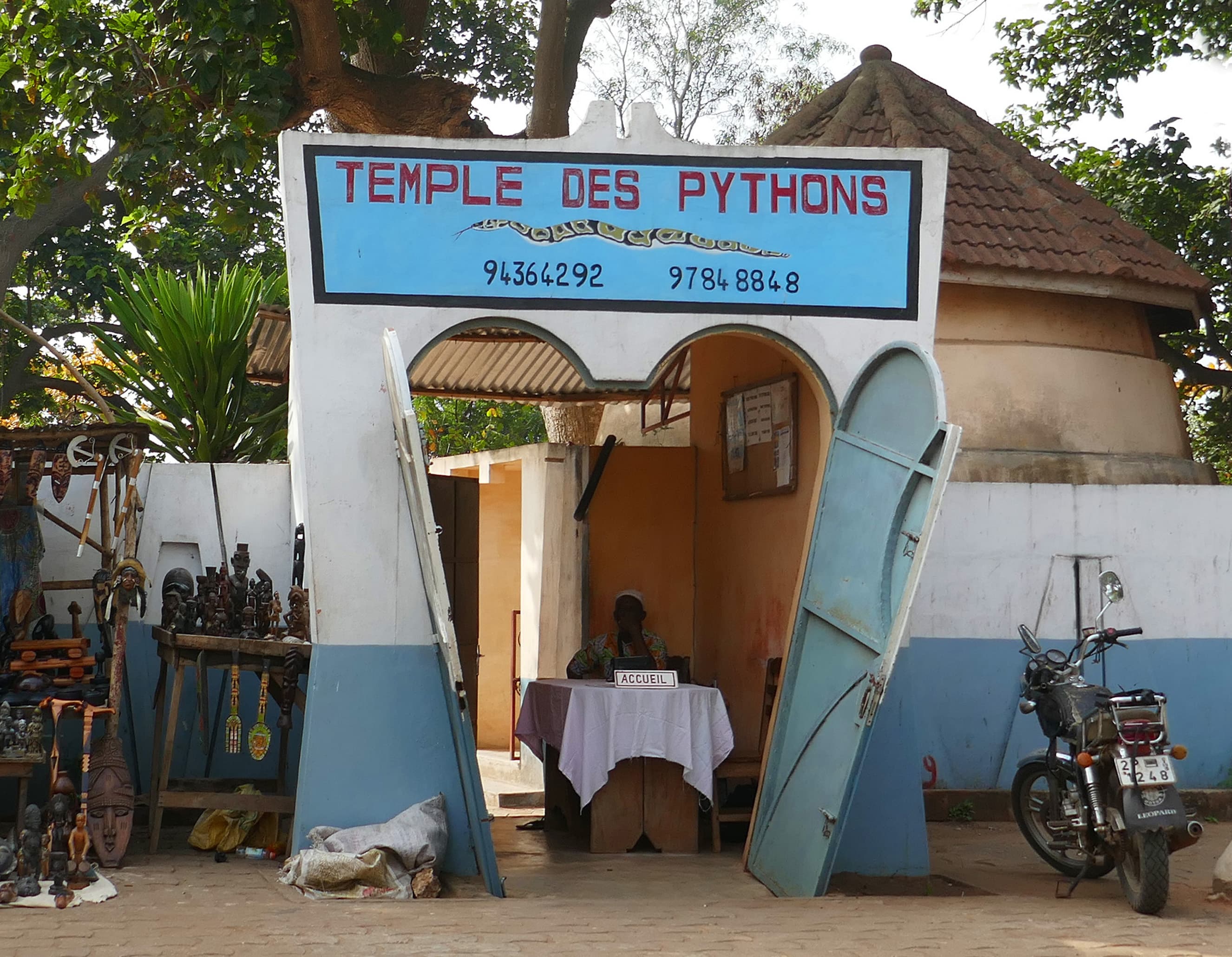
Entering the temple of pythons, you don't expect to encounter these sacred snakes. It's a place where history and spirituality converge, defying time.