OuidahLoading
Heritage

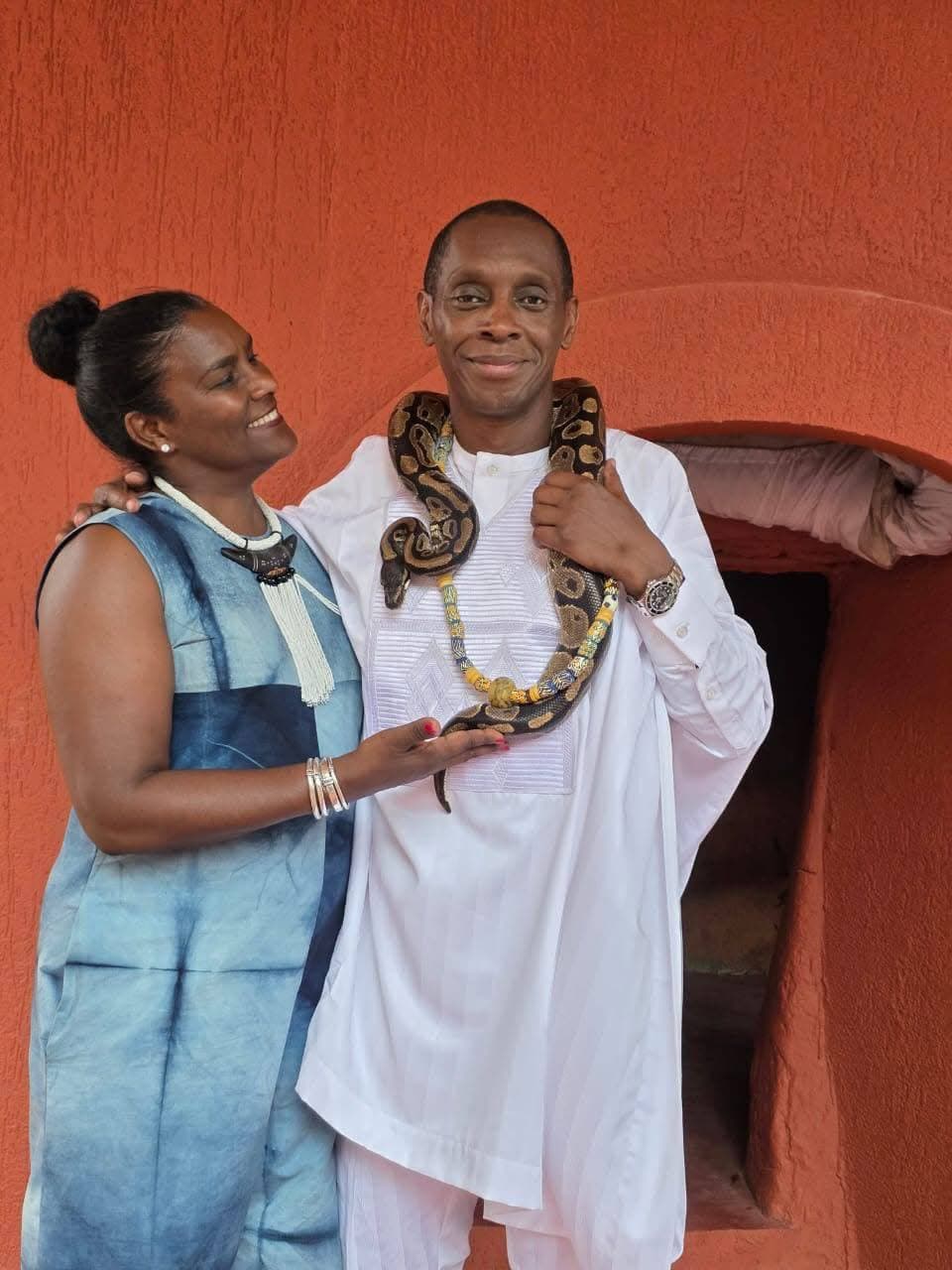
On May 22, 2026, Claudy Siar transformed the Door of No Return into a Door of Return, connecting his heritage to the Zossoungbo lineage in a moving ceremony.
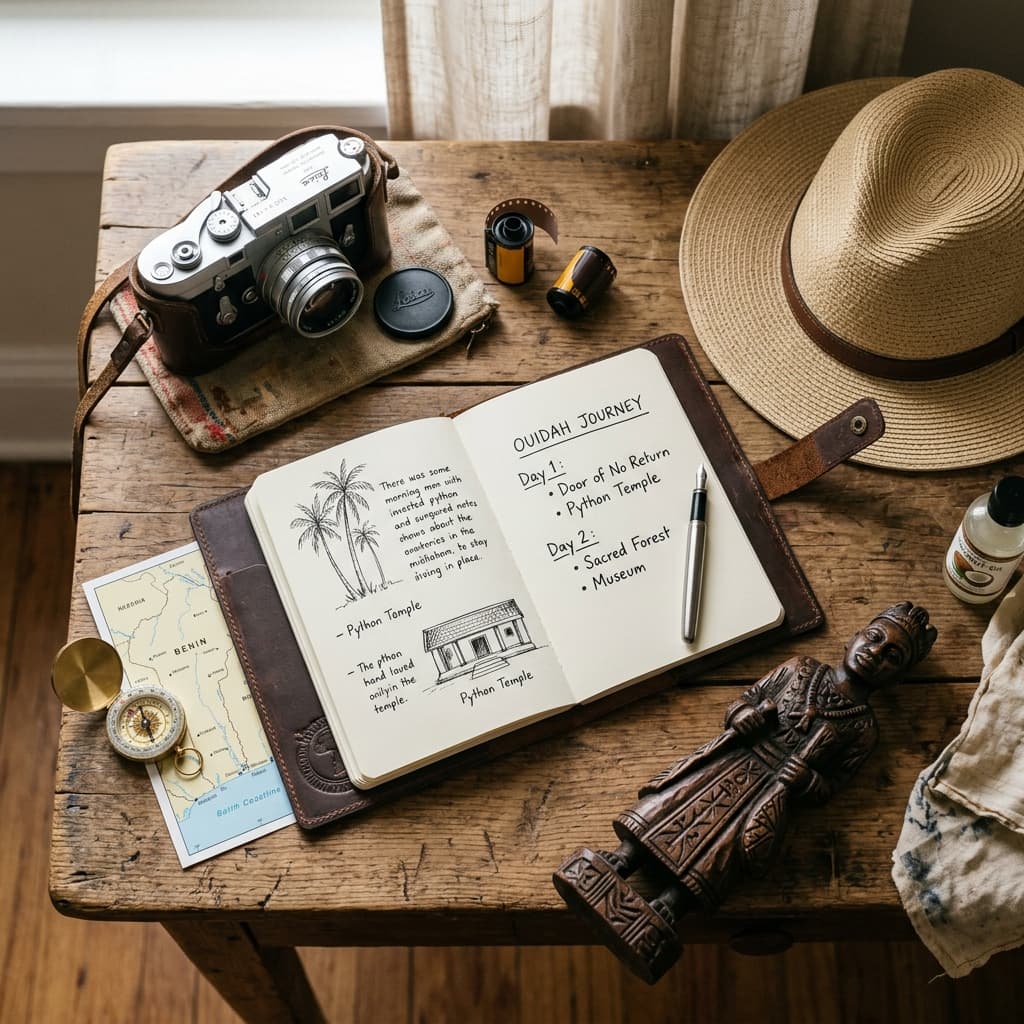
Three days in Ouidah may seem short, but it's enough to feel the essence. This itinerary invites an authentic immersion, away from mere sightseeing.
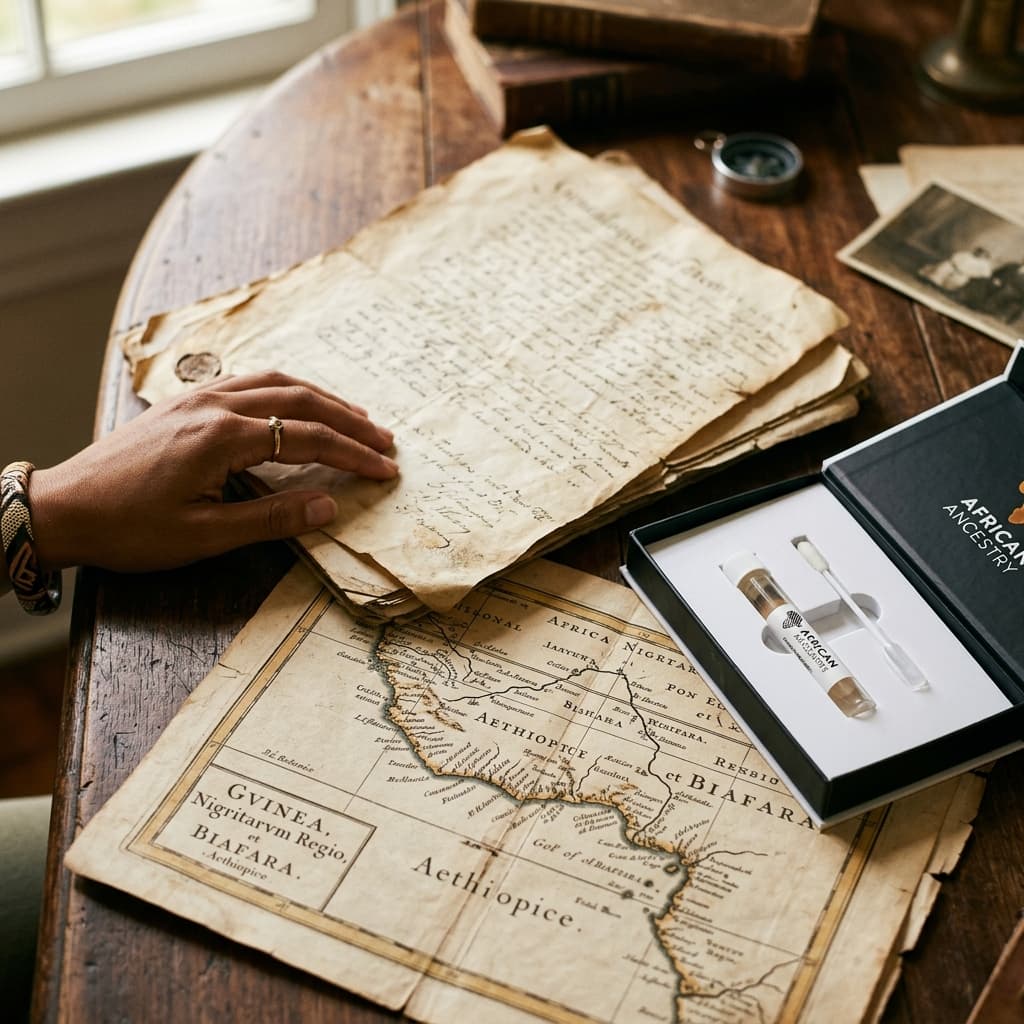
Facing the mystery of your origins, this guide helps you in the quest for your ancestors in Benin. Explore archives, DNA tests, and more.
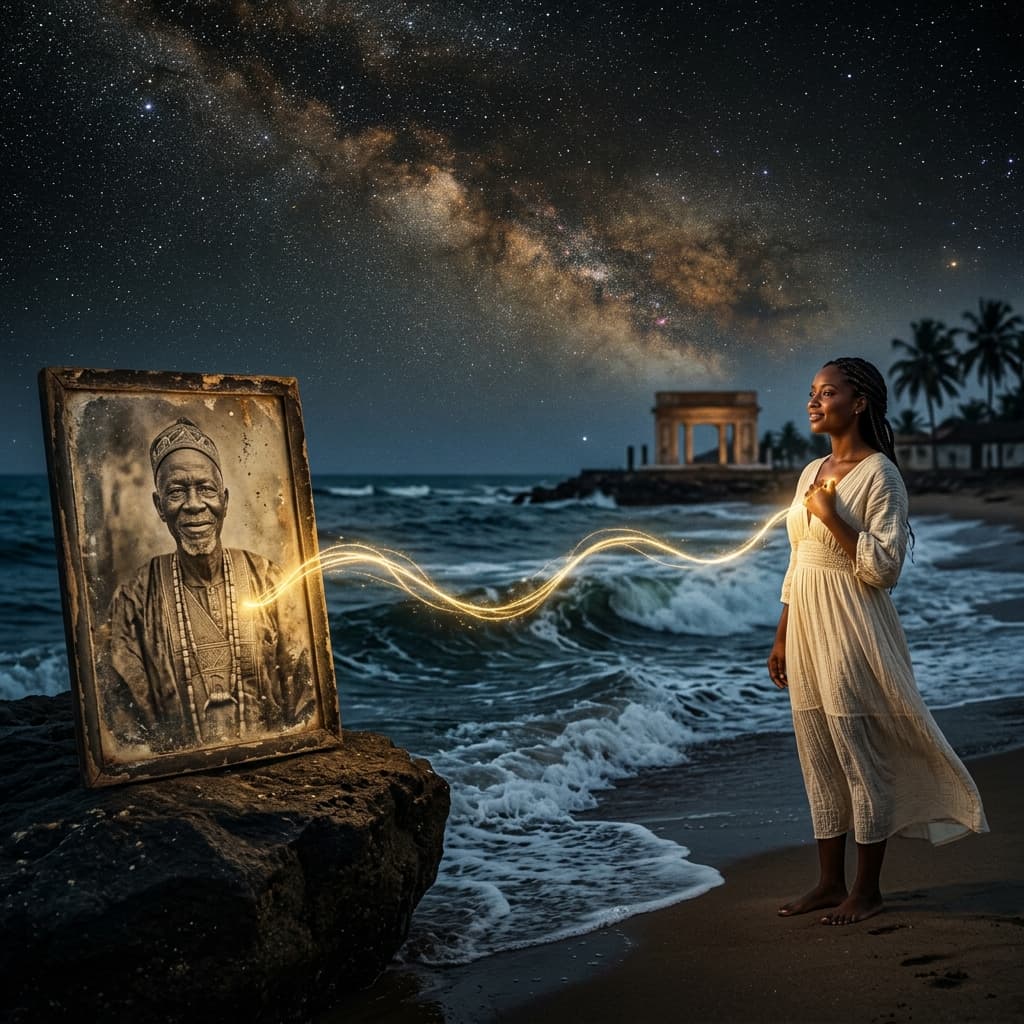
Ouidah, a port of memory, becomes a place of healing for the diaspora. Genealogical research takes on a spiritual and political dimension, redefining identity.
The slave route is a living testament, not a mere destination. Walking it as a pilgrimage transforms the journey into an act of remembrance and connection.
Traveling to Ouidah is not just a getaway. It's a return to your origins, a quest for authenticity, and a deep connection with your roots. Our concierge service is the key to experiencing this unique journey.
Ouidah, in Benin, is much more than a starting point for the history of slavery. It is a bridge between continents, where culture and spirituality continue to resonate.
The quest for your African roots begins here, blending science, memory, and culture. This guide accompanies you on a complex and enriching journey in Ouidah.
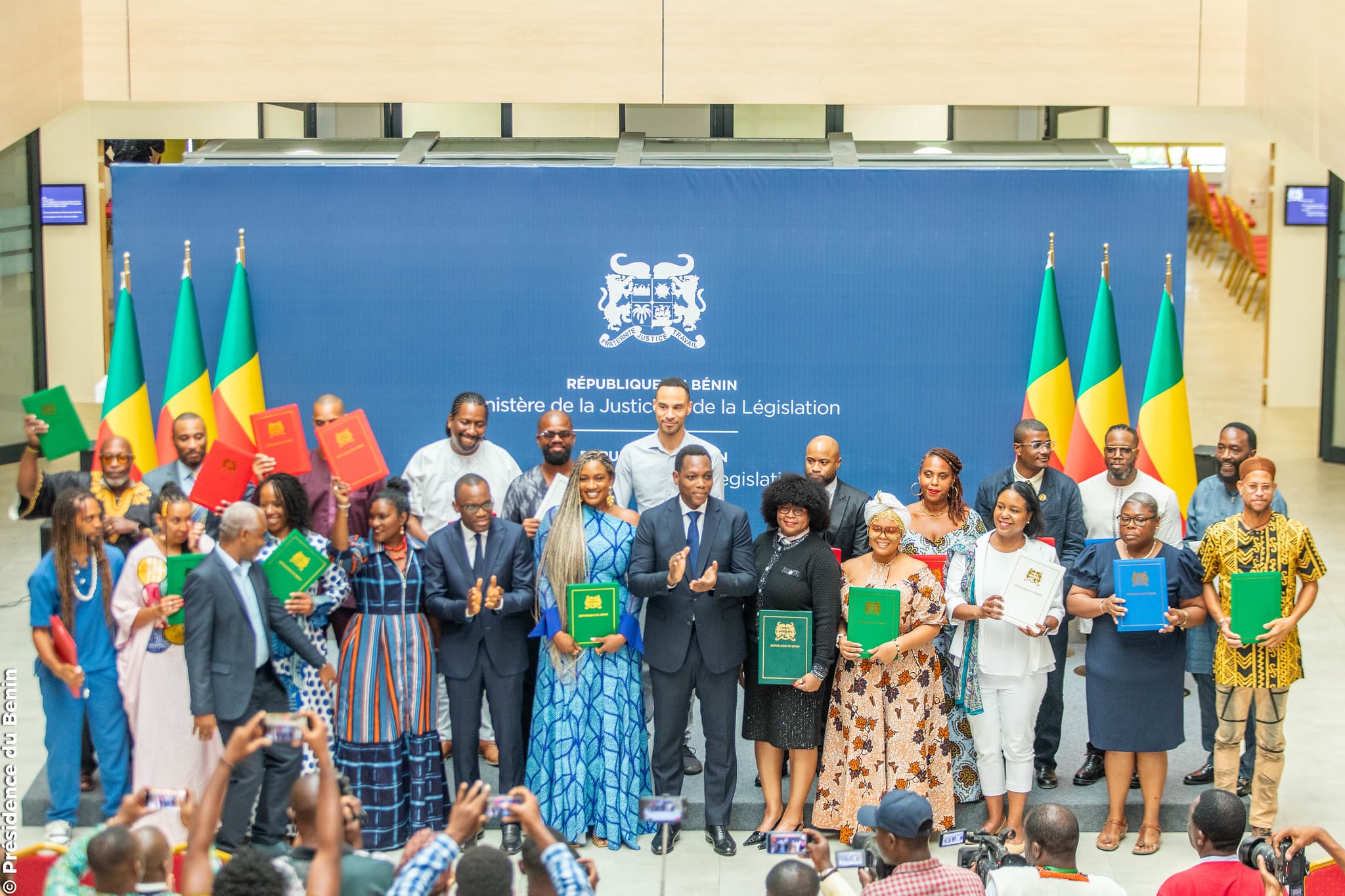
21 Afro-descendants have received Beninese citizenship, marking a symbolic return to their roots. Ouidah, a place of memory, becomes a symbol of a path to reconciliation.
Walking the slave route in Ouidah, you enter a living memory. This journey is not just tourism, but a quest for identity and heritage.
Benin has created a cultural tourism model focused on the diaspora, combining strategy and historical memory. What sets it apart from other African countries?

In 2024, Benin paved the way by offering citizenship to afro-descendants. This process transforms lives and restores ancestral ties.
Three days in Ouidah may not be enough to see everything, but they can transform your trip into a meaningful experience. Dive into the itinerary.
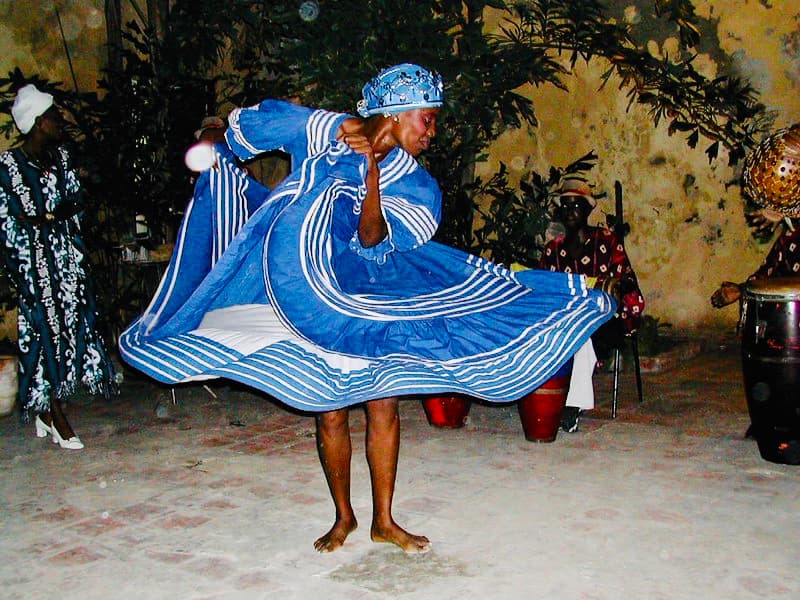
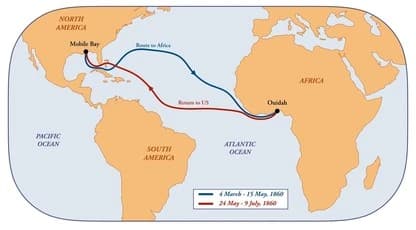
The Aurore left Ouidah for Cuba, carrying a little-known story of the African diaspora. This connection, rich in culture and memory, deserves exploration.
In the nineteenth century, thousands of Afro-Brazilians crossed the Atlantic in reverse — back to the West African coast. They brought Portuguese, Catholicism, Brazilian architecture and surnames that still mark Ouidah today. The Agudás are one of the Atlantic's most forgotten stories.
Candomblé and Vodun share a common root — but three centuries of separate evolution have made them distinct. Neither is a copy of the other. This guide explores the connections, the divergences, and what it means for a candomblé practitioner to visit Ouidah.
In 2019, Ghana celebrated the return of the diaspora, while in 2024, Benin enacted a citizenship law. These approaches reveal fundamental differences.
In a quest for citizenship, proving African ancestry is essential yet complex. This guide navigates the intricate paths of DNA, archives, and oral history, revealing what truly constitutes valid evidence.
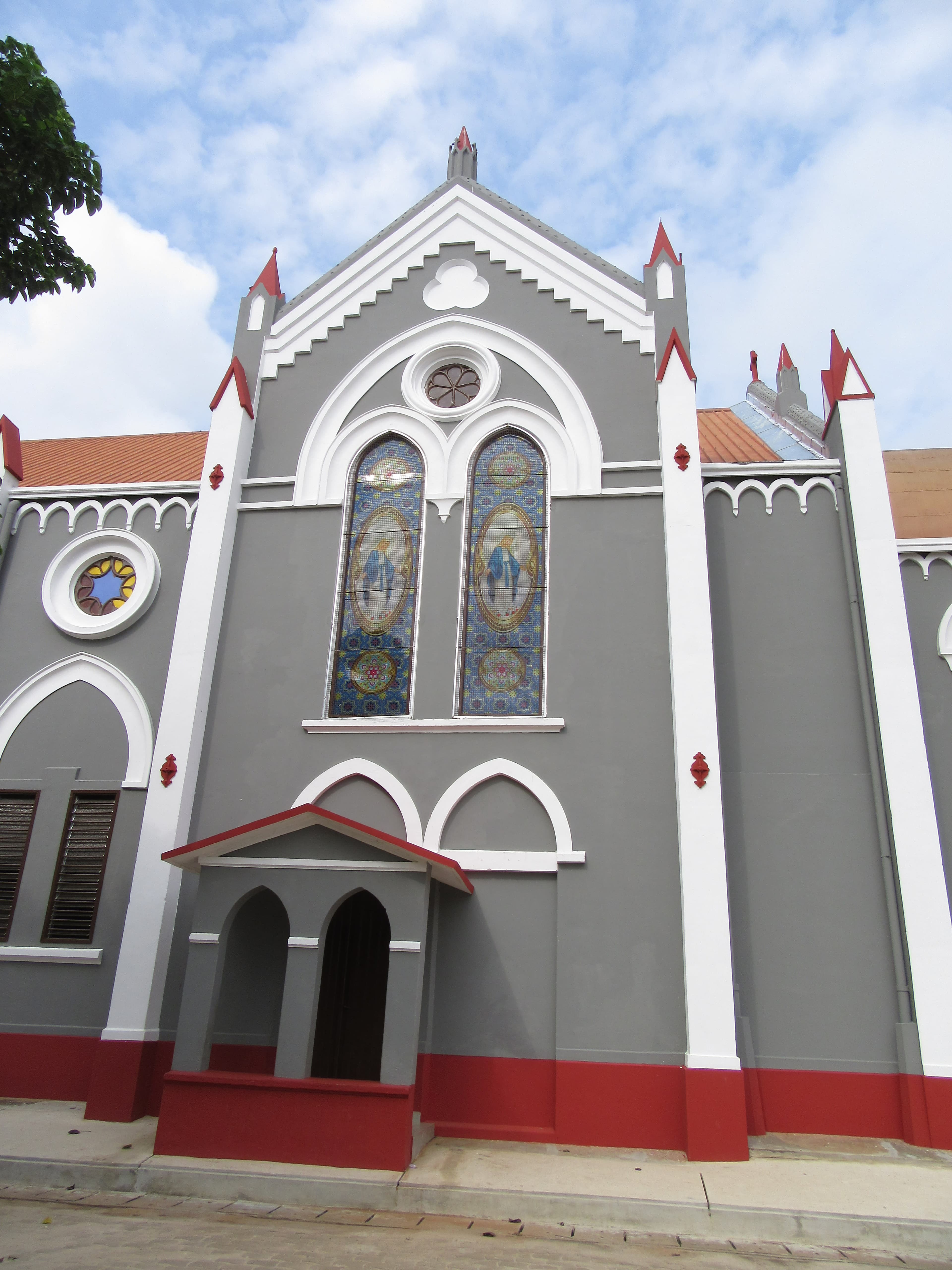
In Ouidah, the Basilica of the Immaculate Conception stands, defying conventions. It embodies a profound duality, where Catholic sacredness dialogues with Vodun traditions.
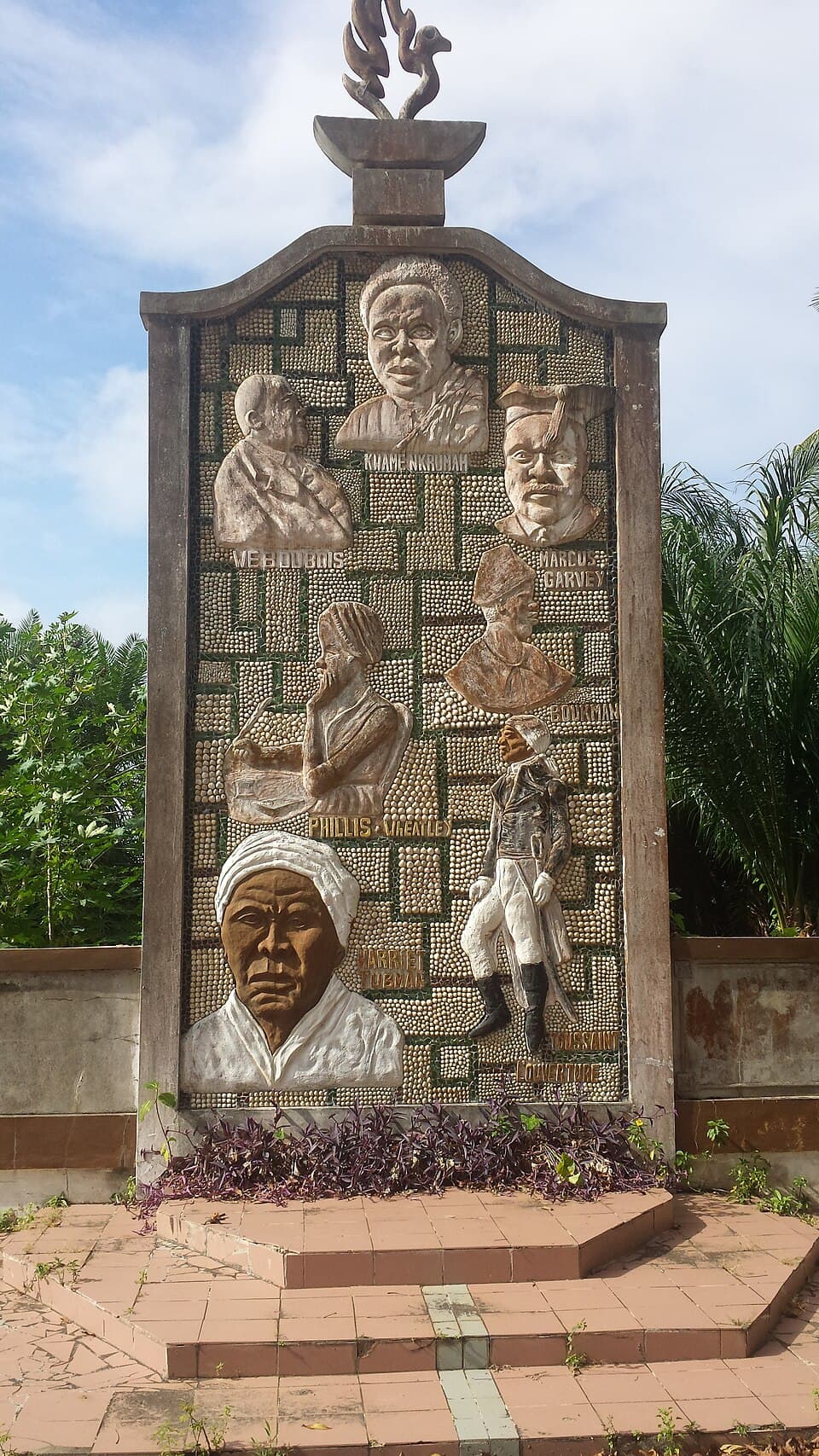
In Ouidah, the Brazilian heritage unfolds through vibrant traditions, flavors, and dialects that pay tribute to the ancestors. Immerse yourself in this cultural circularity.
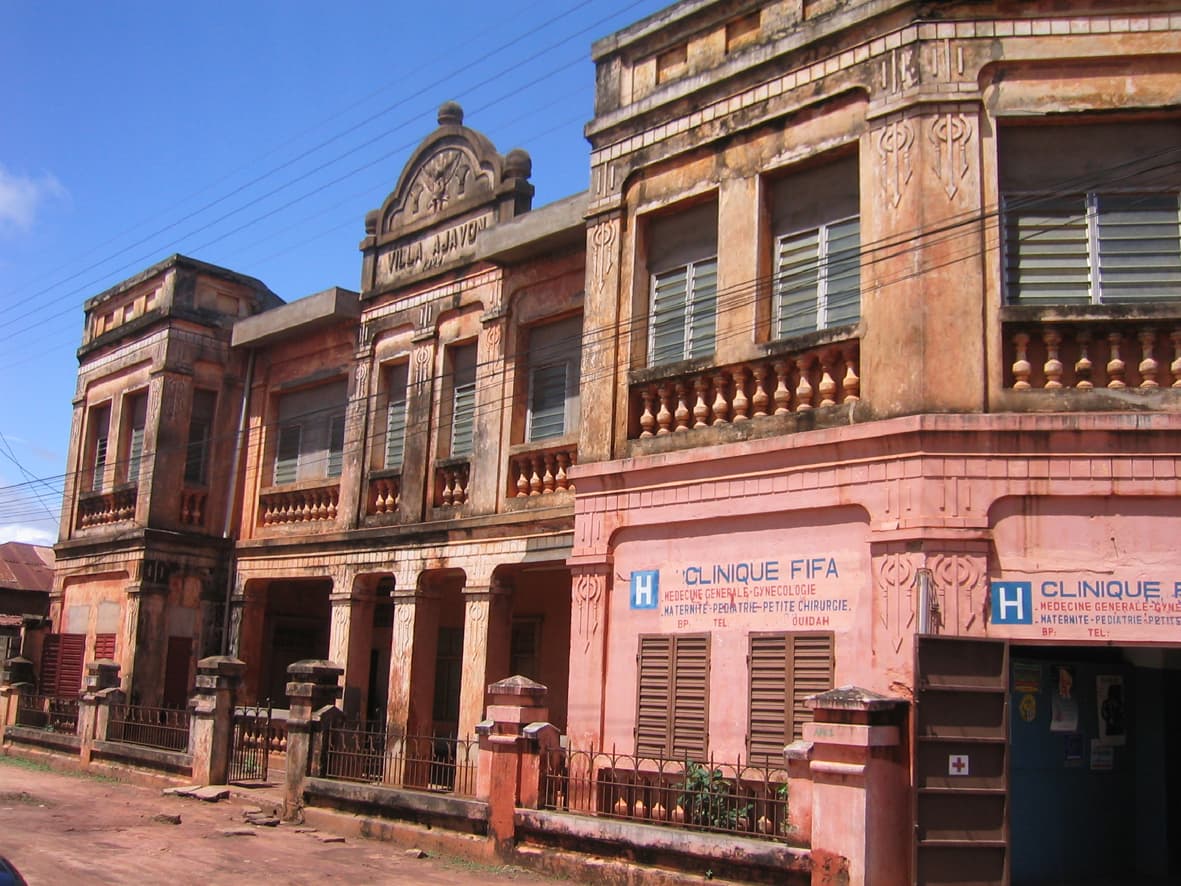
In the Zomachi quarter, the architecture tells the vibrant story of Afro-Brazilians returning from exile. Each colorful façade is a testament to their memory and return.