 LoadingLoading
 Loading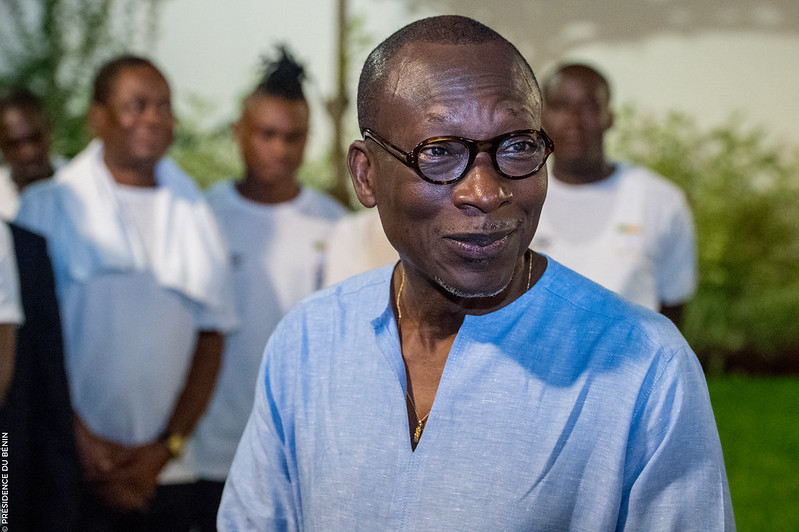
From the 26 royal treasures to the MIME, Patrice Talon transformed Ouidah. A deep, personal witness account from inside the Effet Graff dinner to the beaches of Djègbadji.
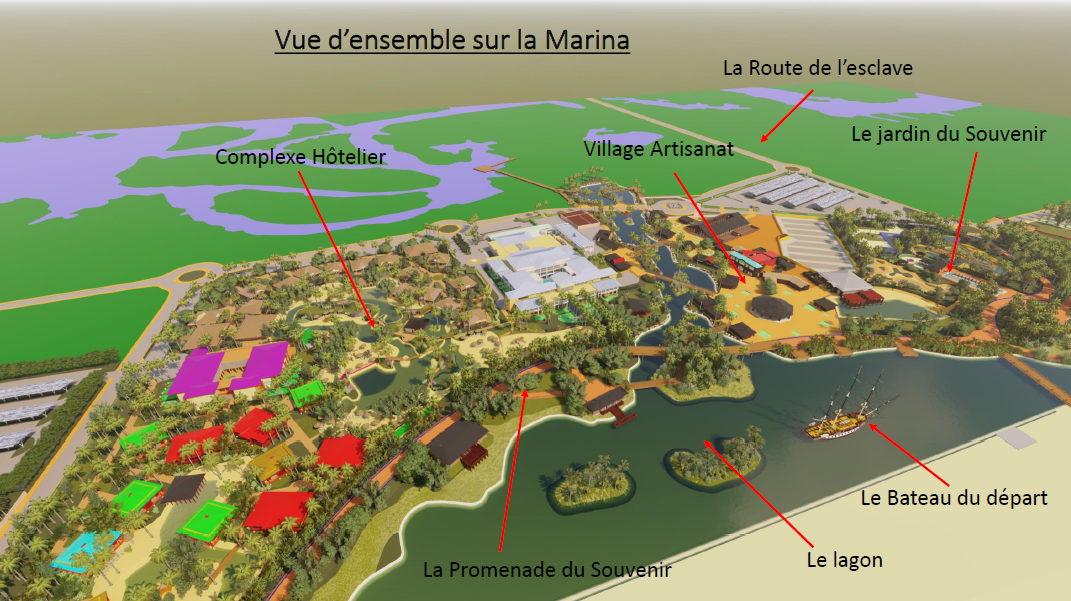
The Beninese government, supported by Chinese funding, is transforming the surroundings of the Door of No Return into a massive tourist and memorial complex. What does this truly mean for the diaspora and the people of Ouidah?
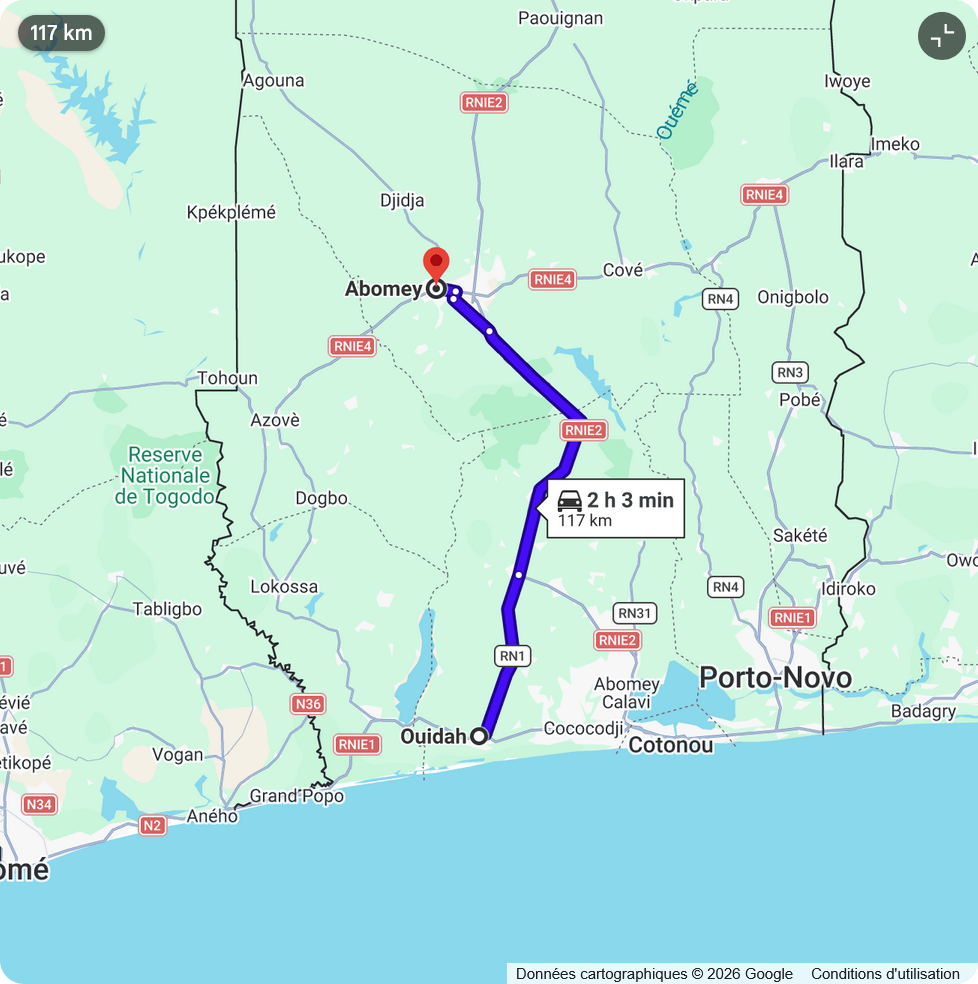
Two cities, two distinct yet connected heritages, a pact to transform cultural tourism in Benin. A dynamic that could redefine the historical experience.
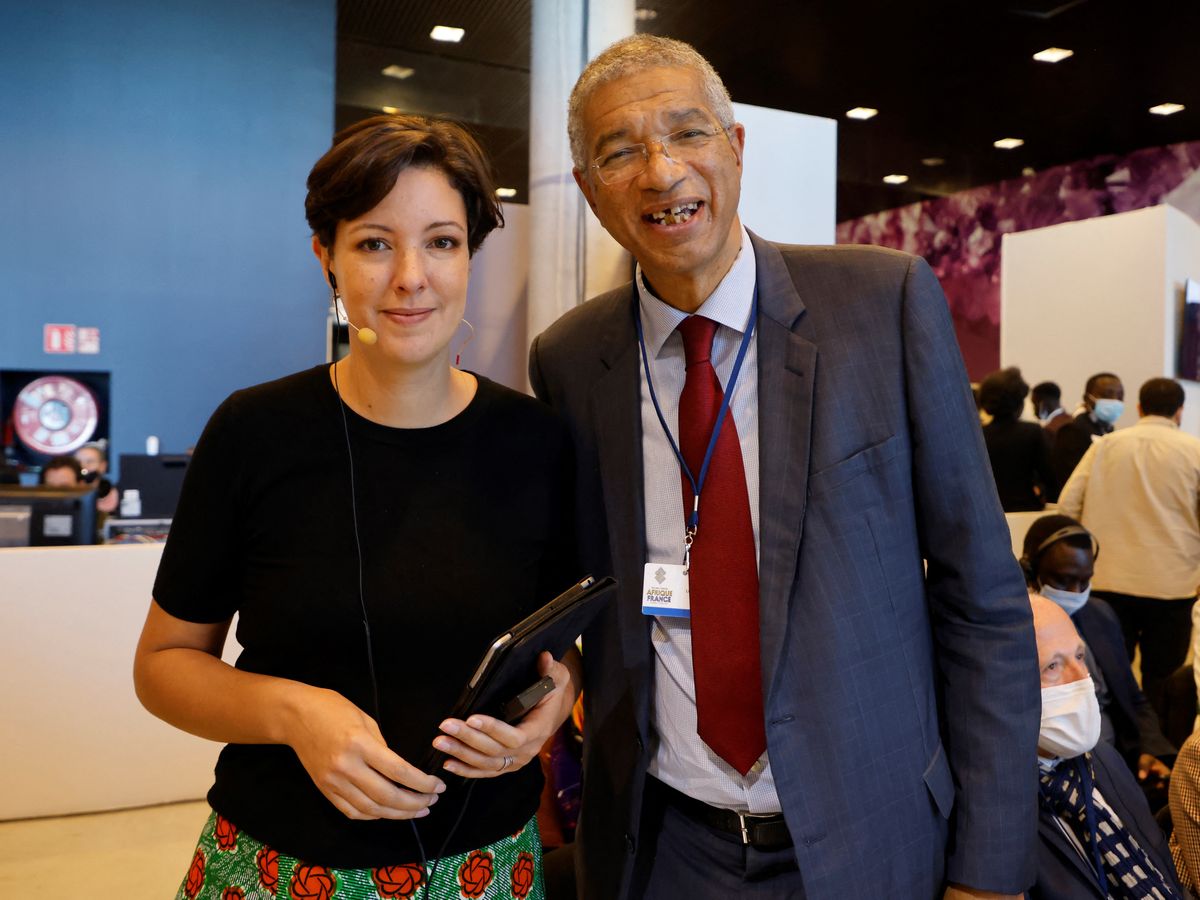
Marie-Cecile Zinsou, a Franco-Beninese art historian, challenges museum conventions. Her fight for cultural heritage restitution has redefined the impossible.
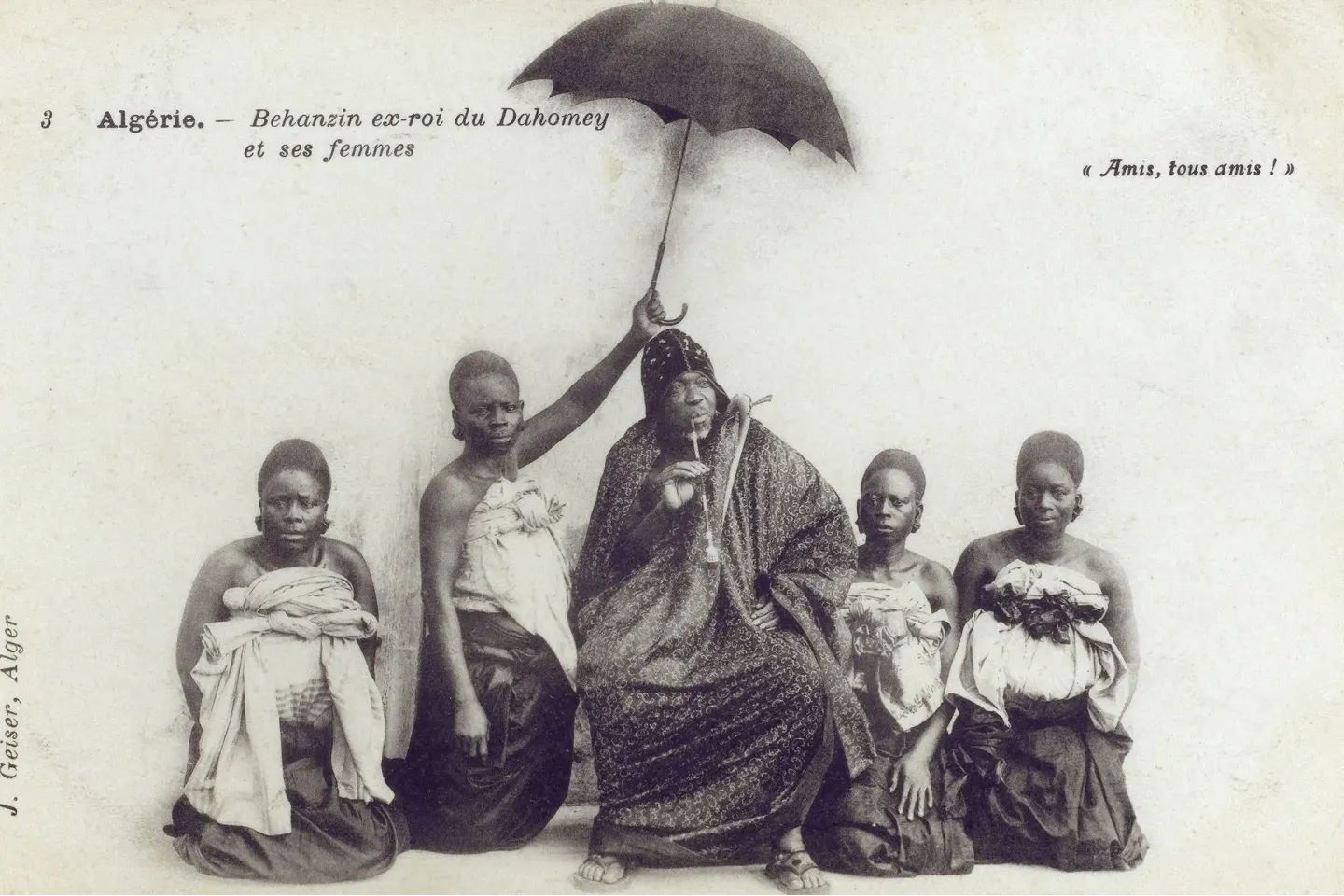
To grasp Ouidah, one must first dive into the history of the Kingdom of Dahomey. A complex, often painful past that still shapes the streets of Ouidah today.
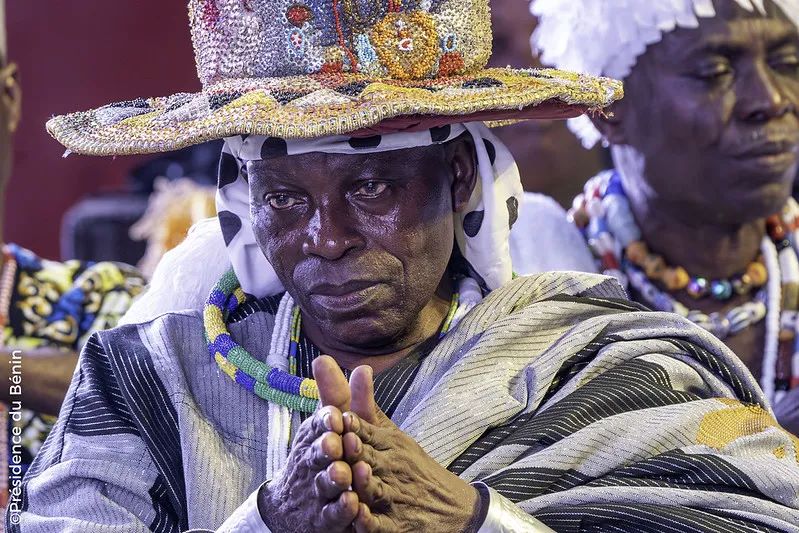
Every year on January 10th, Dagbo Hounon emerges from the crowd, a living symbol of Vodun for 50 million followers worldwide. Who is he really?
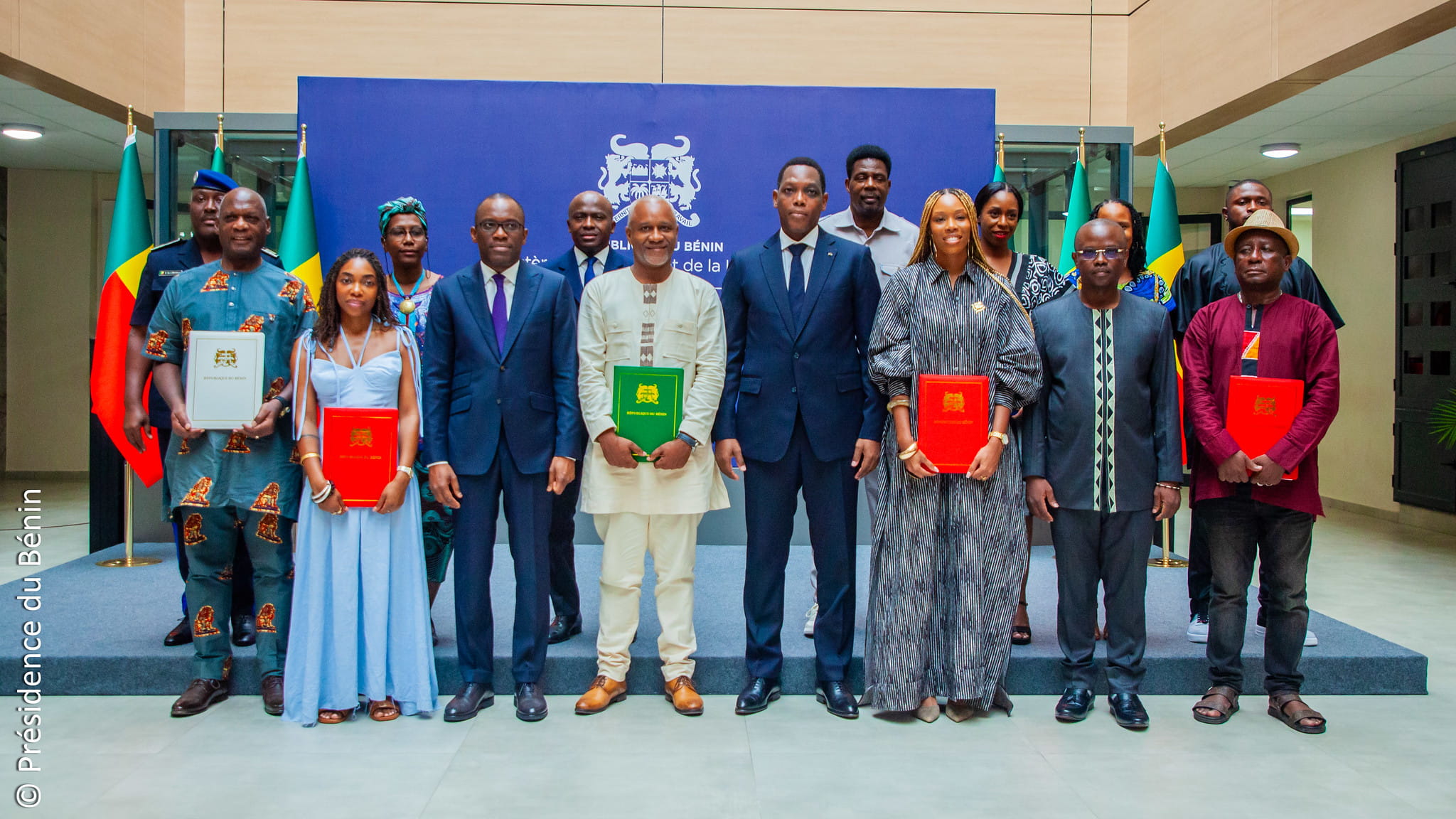
Ouidah is home to uniquely facaded houses, witnesses to a historical journey. The Agoudas, descendants of slaves and traders, have left an indelible cultural mark on the city.
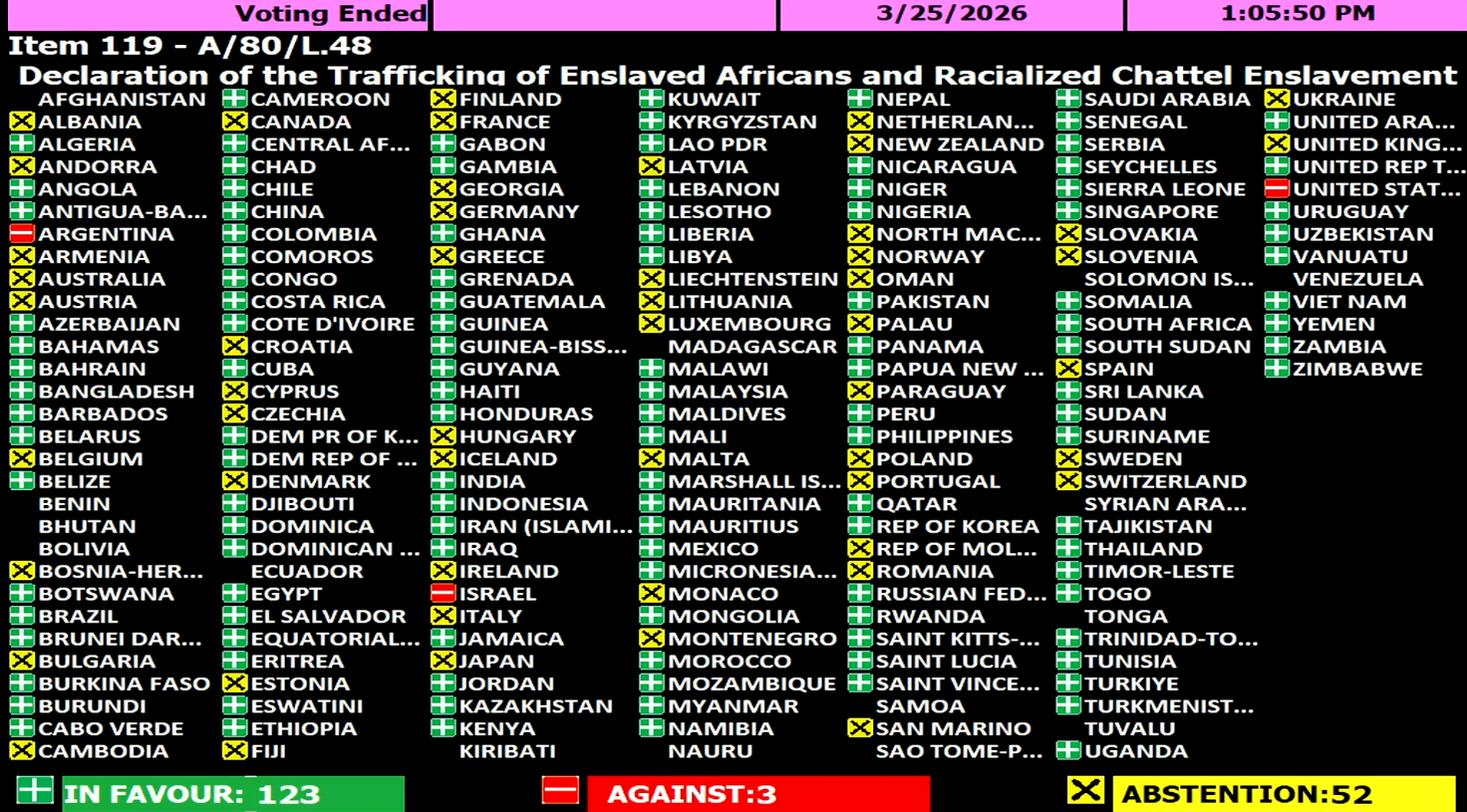
On March 25, 2026, a pivotal UN vote declared slavery a crime against humanity. Yet, a key player—Benin—was missing. Explore the implications of this absence.
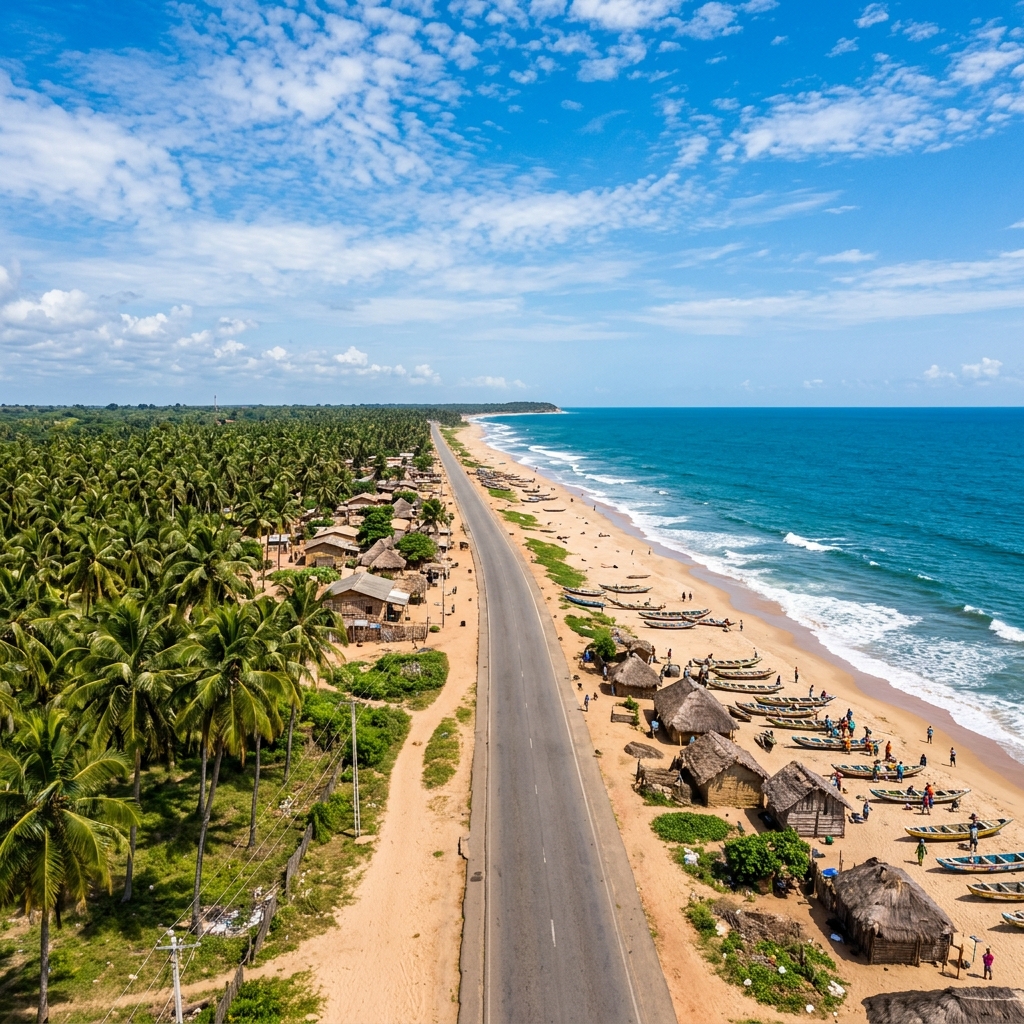
The Route of Fishes transcends mere travel. It invites you to discover the wild beauty of Benin, its fishing villages, and its living heritage.
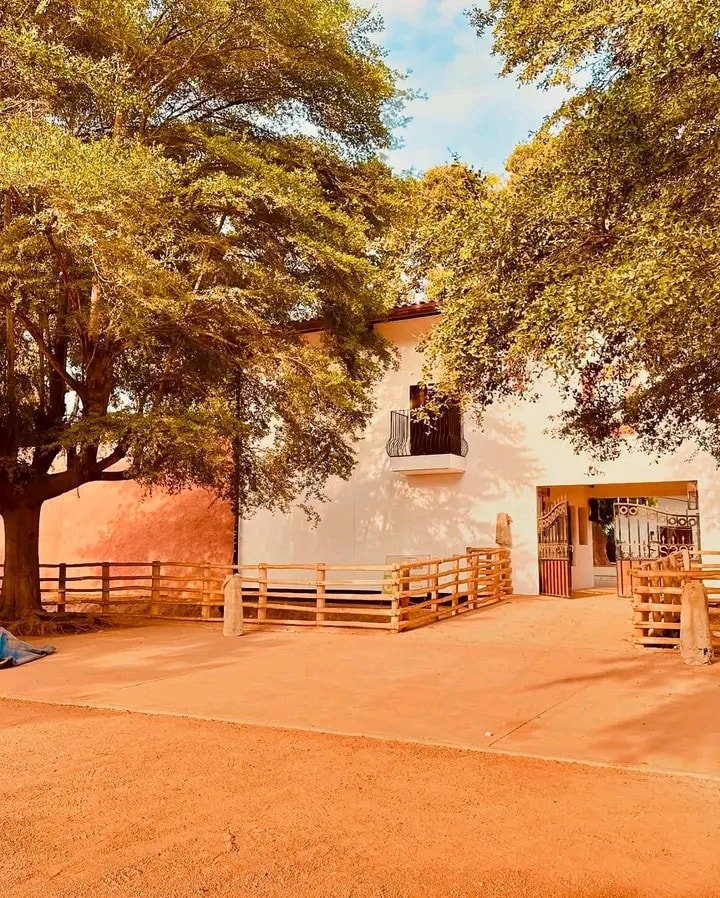
At the heart of Ouidah, the international museum of slavery memory, the MIME, is taking shape in the former Portuguese fort. Set to open in 2027, it will be a strong symbol of memory and justice.
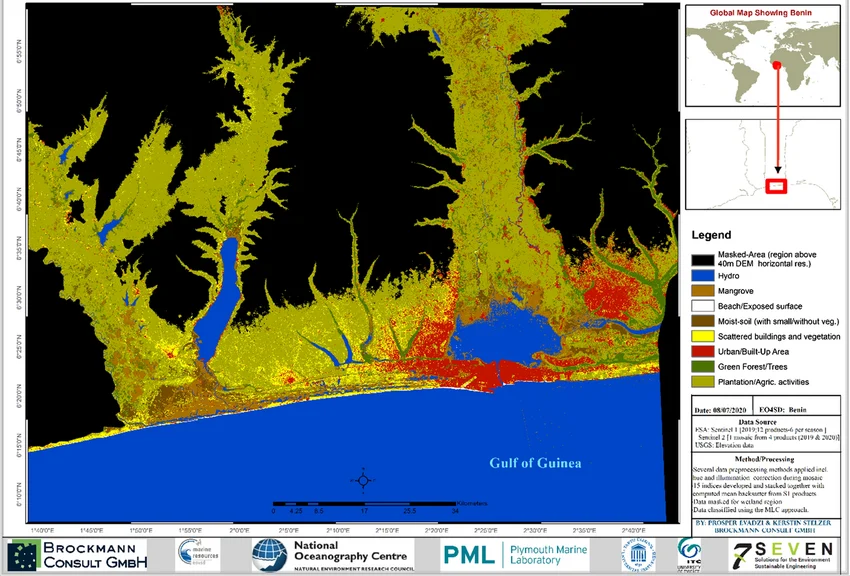
In 40 years, Ouidah has lost 600 meters of coastline. The Door of No Return is now 100 meters from the ocean. Our data highlights the urgency to protect this heritage.
The International Museum of Memory and Slavery (MIME) in Ouidah cannot contain all forms of memory. Some remain outside the vitrines, alive and indelible.
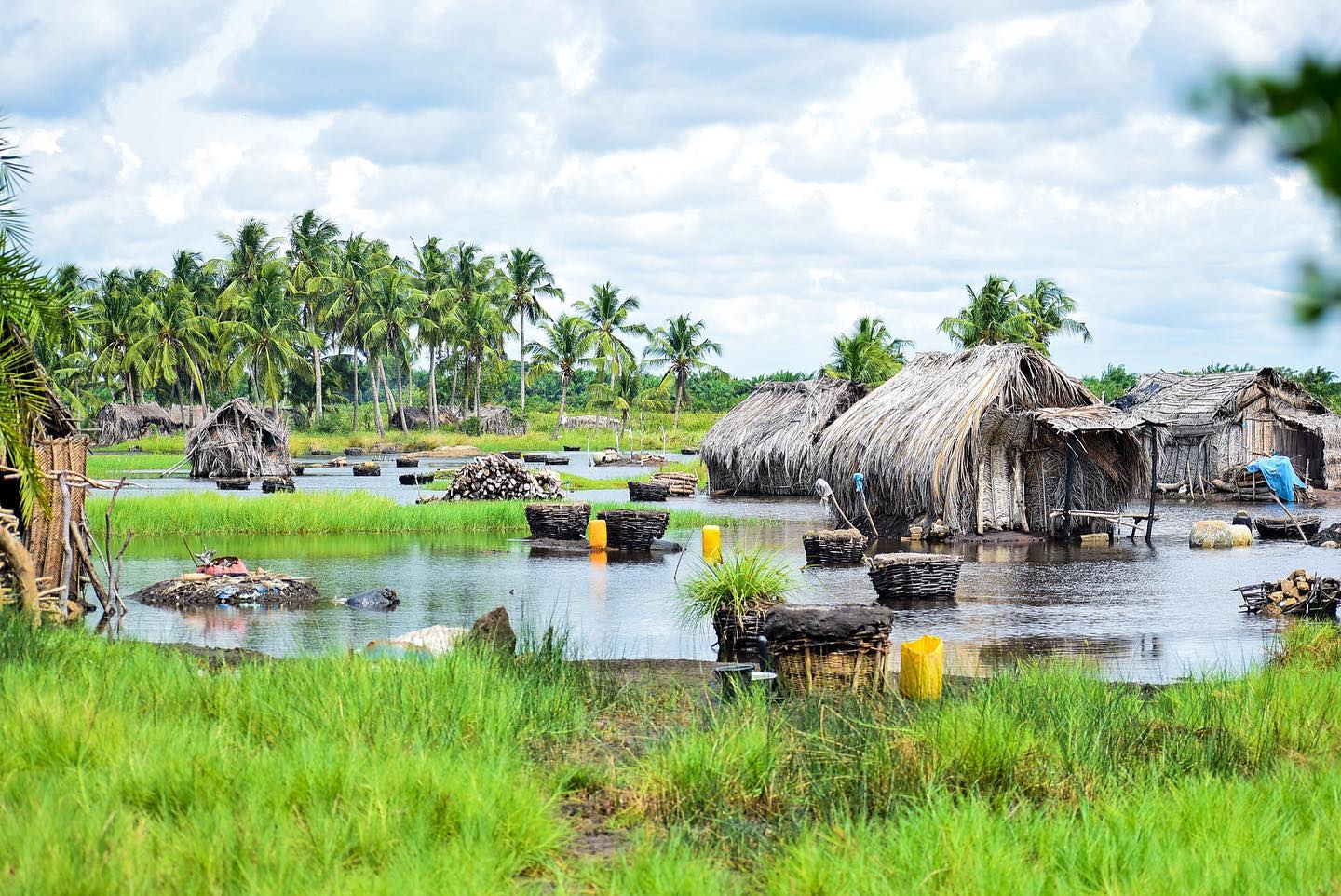
Often overlooked by tourist itineraries, Djègbadji is a vibrant village where the tradition of salt extraction is passed down through generations. An unforgettable experience.
Three sites dominate heritage tourism in West Africa. Each tells a unique story of the slave trade. What is the right choice for you?
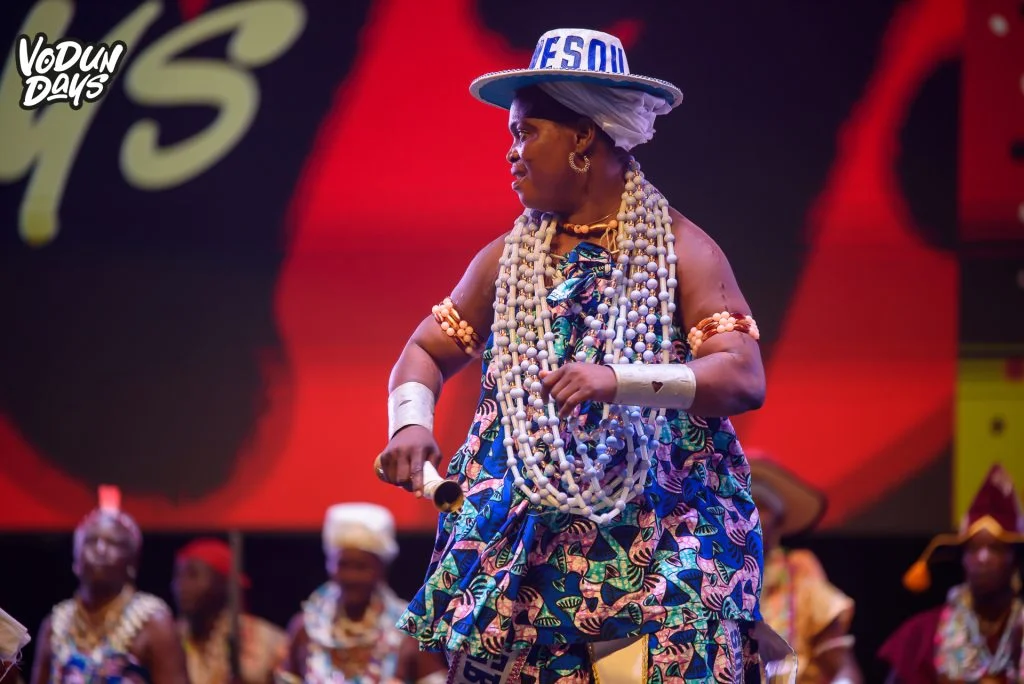
Ouidah, often narrated through its kings and slave merchants, reveals an essential chapter: that of women, pillars of the economy and spirituality.
In Ouidah, memory tourism is more than just a visit. It’s an immersion in a space where history intertwines with daily life, revealing often untold stories.
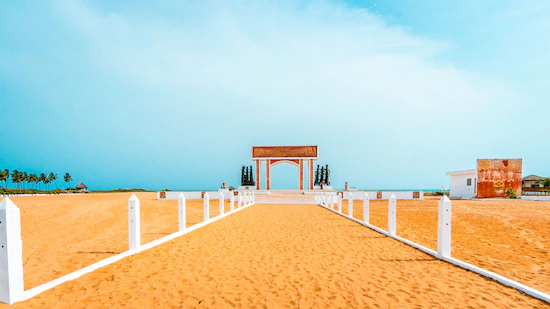
In December 2025, Ouidah unveiled a new door of no return, a towering monument that redefines the landscape of memory and the legacy of the transatlantic slave trade.
A new monumental Door of No Return, a world-class slavery memory museum, a redesigned historic center. The Ouidah 2027 plan is turning a city of memory into a destination. Here is what it actually contains.
In 2024, Benin took a historic step by adopting the My Afro Origins law, offering irrevocable citizenship to descendants of enslaved Africans. This monumental gesture transcends mere symbolism.
The fight for the return of cultural objects from Africa raises essential questions about identity and collective memory. Ouidah, a symbol of this resilience, is at the center of this debate.